
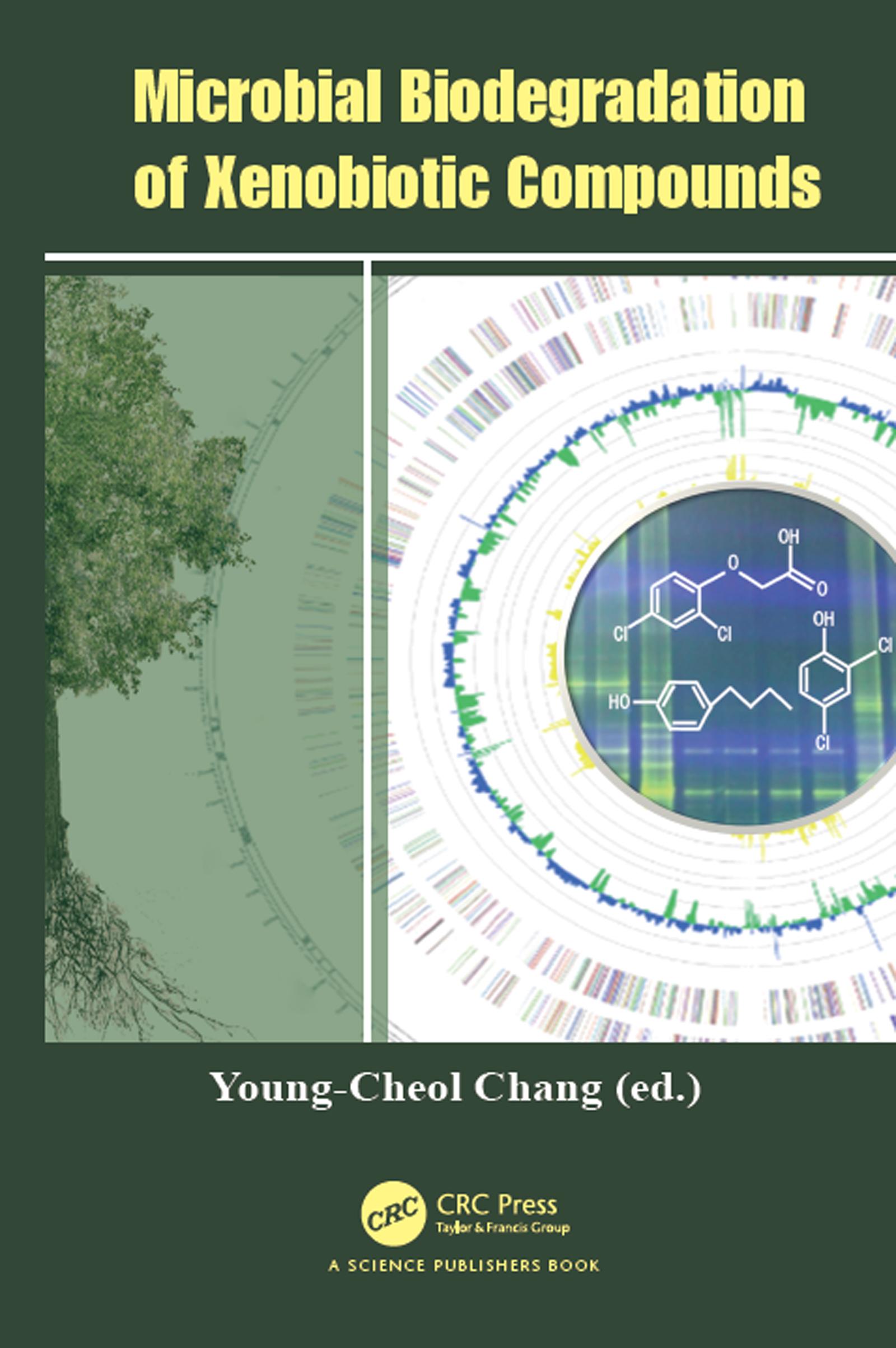
Microbial Biodegradation of Xenobiotic Compounds examines and collects the recent information on the bioremediation technologies around the world. This book focuses on methods to decrease pollutants created by anthropogenic activities, industrial activities, and agricultural activities. This book answers some of the questions about – how to reduce contaminants? And whether there is a possibility of converting these pollutants in to useful energy by advanced biotechnological methods?
The book combines present obtainable data with the expert knowledge of researchers from all over the world covering different aspects of environmental biotechnology and microbiology. It covers basic concepts of bioremediation and various methods involved in the bioremediation process, and provides specific chapters on the role of different genes and enzymes involved in microbial bioremediation process. It also gives special attention to heavy metal bioremediation by microalgae and the mechanisms involved during the degradation process. Recent innovative technologies about converting toxic pollutants in to useful energy like bioplastics and electricity are also discussed by specialist authors. Various chapters address the bioremediation of pesticides in soil using microbial metabolites, and molecular aspects of biodegradation which cover topics including identification of novel genes through the metagenomic approach and bioremediation using fungal laccase enzymes.
Betaal eenvoudig met kaart, Klarna, Apple Pay of Google Pay. Niet tevreden? Je hebt altijd 14 dagen bedenktijd. Lees meer in onze voorwaarden. Heb je vragen, mail ons dan via hello@memmo.org.
Memmo maakt studeren makkelijker – waar je ook bent ter wereld. Wij brengen je cursusboeken en slimme studietools samen op één plek: samenvattingen, quizzen, podcasts en flashcards. En Ted, je studievriend die antwoord geeft op alles wat je je afvraagt. Meer dan 50.000 studenten studeren hier al – gebouwd om je sneller te laten leren en minder stress te geven.