
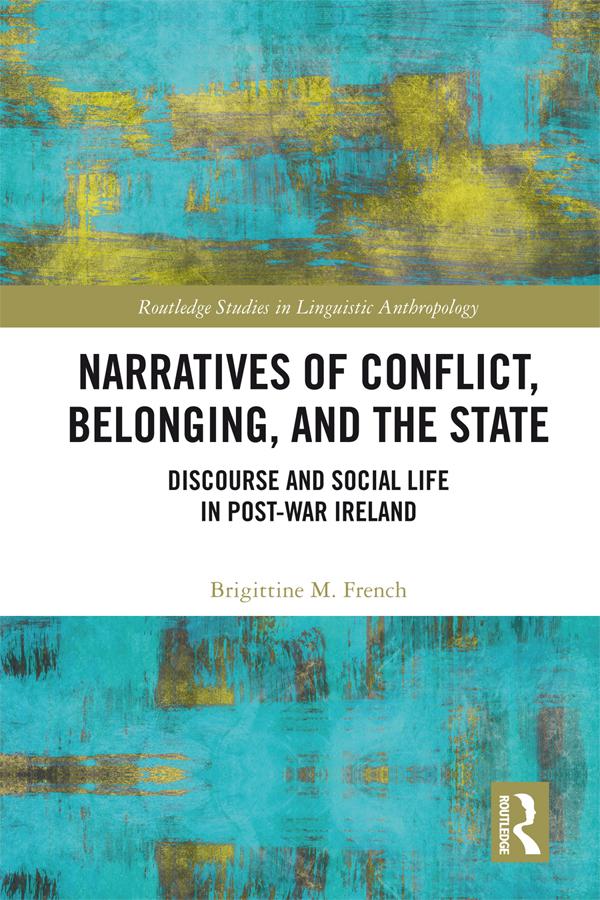
Using key perspectives from Linguistic anthropology the book illuminates how social actors take up the ideals of law, equality, and democratic representation in locally-meaningful ways to make their own national history in ways that may perpetuate violence and inequality. Focusing specifically on post-war conditions in Ireland, the author contextualizes commonplace practices by which citizens are made to learn the gap between official membership in and political belonging to a democratic state. Each chapter takes up a different aspect of state authority and power to constitute citizenship, to enact laws, to mediate conflict, and to create histories in the context of social inequalities and political hostilities. This book is an excellent ethnographic addition to courses in linguistic anthropology, giving readers the opportunity to explore applications and ramifications of key theoretical text within research.
Betaal eenvoudig met kaart, Klarna, Apple Pay of Google Pay. Niet tevreden? Je hebt altijd 14 dagen bedenktijd. Lees meer in onze voorwaarden. Heb je vragen, mail ons dan via hello@memmo.org.
Memmo maakt studeren makkelijker – waar je ook bent ter wereld. Wij brengen je cursusboeken en slimme studietools samen op één plek: samenvattingen, quizzen, podcasts en flashcards. En Ted, je studievriend die antwoord geeft op alles wat je je afvraagt. Meer dan 50.000 studenten studeren hier al – gebouwd om je sneller te laten leren en minder stress te geven.