
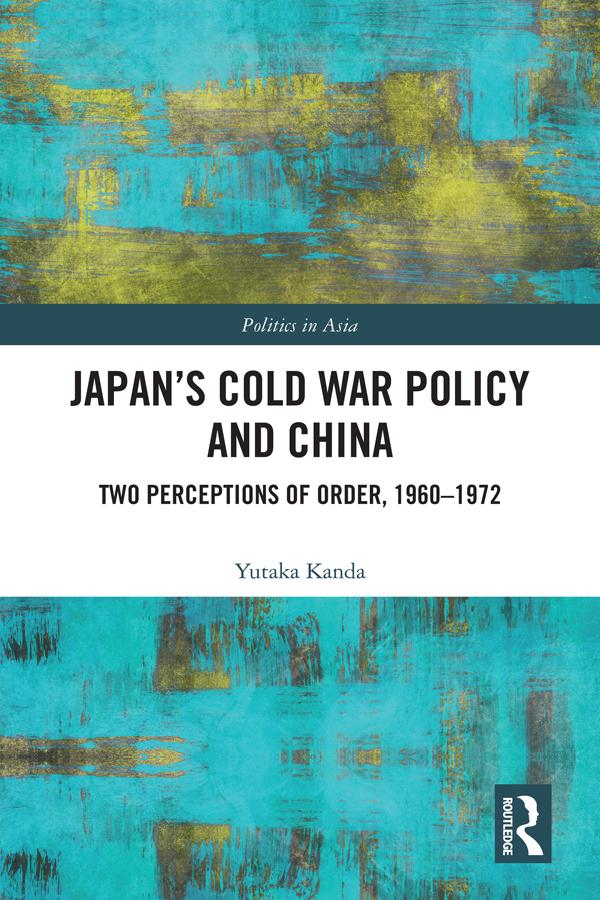
From 1960s to the early 1970s in East Asia, the Cold War bipolar system, centering on the US and USSR, shifted to a more complicated structure. After the Cuban Missile Crisis, Washington and Moscow accelerated the détente process, leading China to fear a "collusion" of the two superpowers. Publicly attacking its former ally while continuing to fight against America, China rose as a symbol of multipolarization in international politics during this era. Focusing on Japan’s policy toward this changing paradigm, Kanda examines Japanese leaders’ perceptions of the international order and how they reacted to this changing international environment.
This book moves beyond the traditional Eurocentric view of the Cold War, emphasizing the significant role Japan played. The research provides insight into the foreign policy patterns of post-World War II Japanese diplomacy, particularly in relation to China and the USSR. The investigation relies on careful readings of archival records from Japan, China, Taiwan, the US, the UK, Australia and the UN, published diplomatic documents from France and Germany, and personal papers, diaries and memoirs.
This volume will appeal to anyone who is interested in postwar Japan's politics and diplomacy, international history of East Asia, and the Cold War history in general.
Betaal eenvoudig met kaart, Klarna, Apple Pay of Google Pay. Niet tevreden? Je hebt altijd 14 dagen bedenktijd. Lees meer in onze voorwaarden. Heb je vragen, mail ons dan via hello@memmo.org.
Memmo maakt studeren makkelijker – waar je ook bent ter wereld. Wij brengen je cursusboeken en slimme studietools samen op één plek: samenvattingen, quizzen, podcasts en flashcards. En Ted, je studievriend die antwoord geeft op alles wat je je afvraagt. Meer dan 50.000 studenten studeren hier al – gebouwd om je sneller te laten leren en minder stress te geven.