
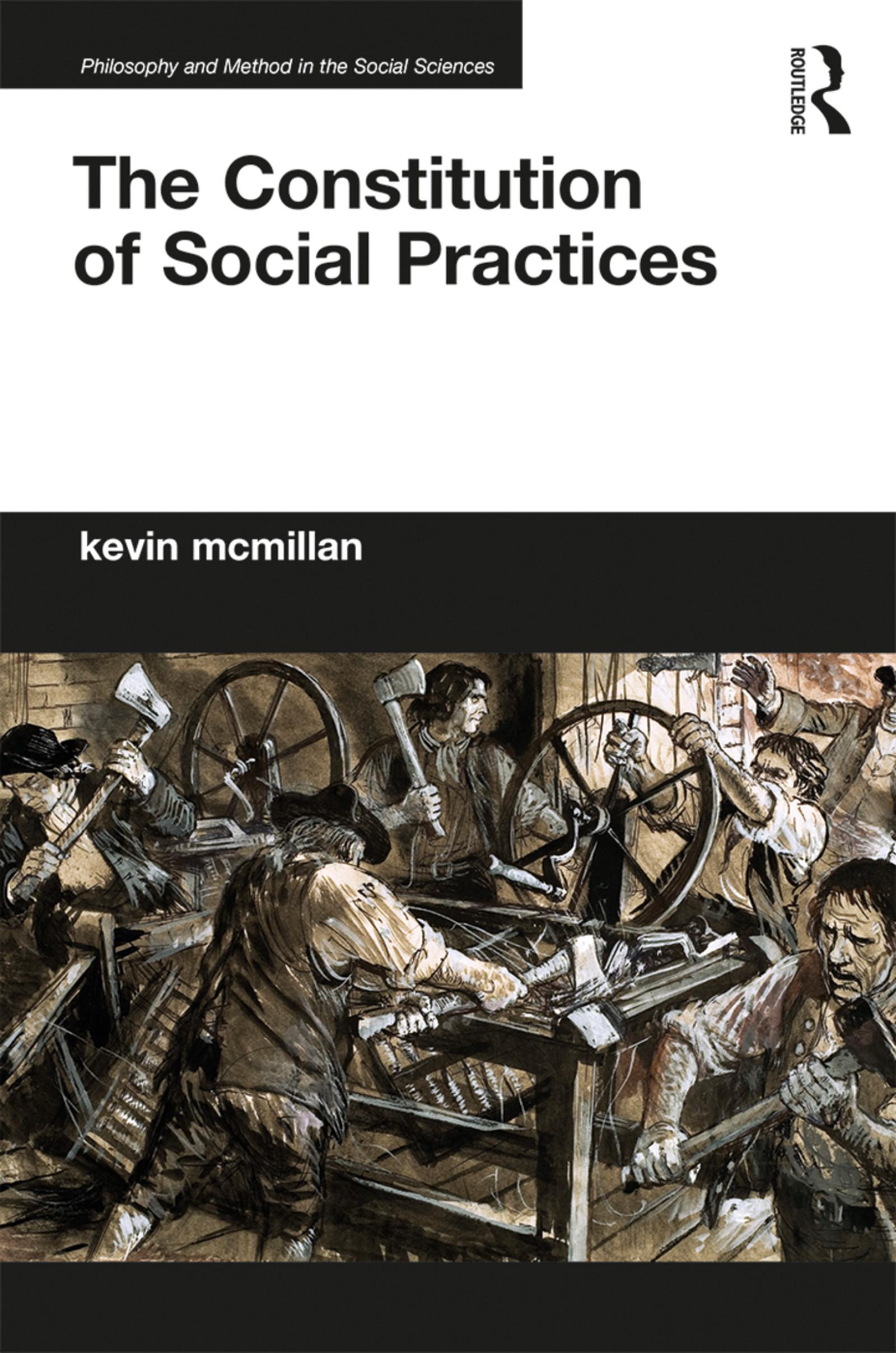
Practices – specific, recurrent types of human action and activity – are perhaps the most fundamental "building blocks" of social reality. This book argues that the detailed empirical study of practices is essential to effective social-scientific inquiry. It develops a philosophical infrastructure for understanding human practices, and argues that practice theory should be the analytical centrepiece of social theory and the philosophy of the social sciences.
What would social scientists’ research look like if they took these insights seriously? To answer this question, the book offers an analytical framework to guide empirical research on practices in different times and places. The author explores how practices can be identified, characterised and explained, how they function in concrete contexts and how they might change over time and space.
The Constitution of Social Practices lies at the intersection of philosophy, social theory, cultural theory and the social sciences. It is essential reading for scholars in social theory and the philosophy of social science, as well as the broad range of researchers and students across the social sciences and humanities whose work stands to benefit from serious consideration of practices.
Betaal eenvoudig met kaart, Klarna, Apple Pay of Google Pay. Niet tevreden? Je hebt altijd 14 dagen bedenktijd. Lees meer in onze voorwaarden. Heb je vragen, mail ons dan via hello@memmo.org.
Memmo maakt studeren makkelijker – waar je ook bent ter wereld. Wij brengen je cursusboeken en slimme studietools samen op één plek: samenvattingen, quizzen, podcasts en flashcards. En Ted, je studievriend die antwoord geeft op alles wat je je afvraagt. Meer dan 50.000 studenten studeren hier al – gebouwd om je sneller te laten leren en minder stress te geven.