
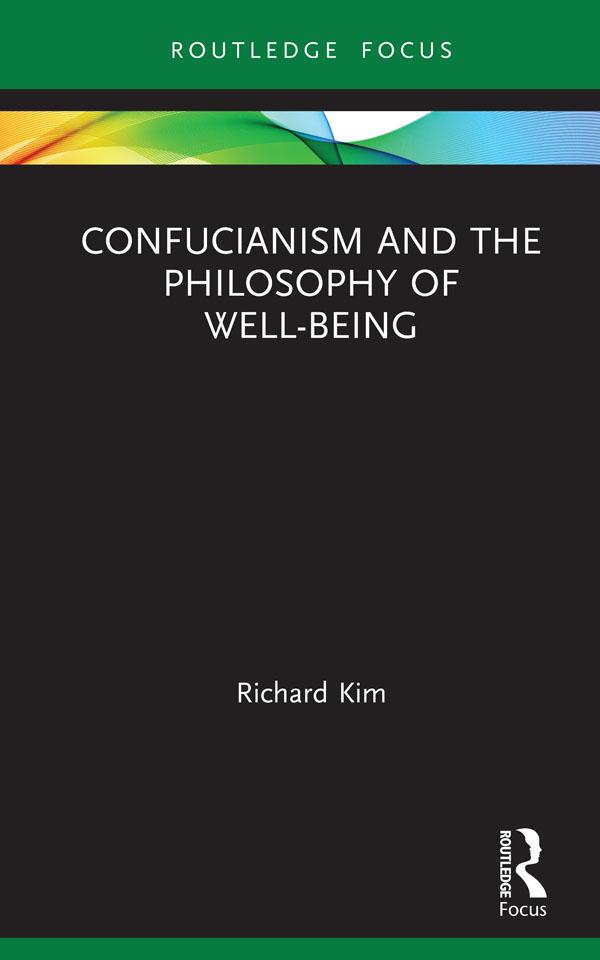
Well-being is topic of perennial concern. It has been of significant interest to scholars across disciplines, culture, and time. But like morality, conceptions of well-being are deeply shaped and influenced by one’s particular social and cultural context. We ought to pursue, therefore, a cross-cultural understanding of well-being and moral psychology by taking seriously reflections from a variety of moral traditions.
This book develops a Confucian account of well-being, considering contemporary accounts of ethics and virtue in light of early Confucian thought and philosophy. Its distinctive approach lies in the integration of Confucian moral philosophy, contemporary empirical psychology, and contemporary philosophical accounts of well-being.
Richard Kim organizes the book around four main areas: the conception of virtues in early Confucianism and the way that they advance both individual and communal well-being; the role of Confucian ritual practices in familial and communal ties; the developmental structure of human life and its culmination in the achievement of sagehood; and the sense of joy that the early Confucians believed was central to the virtuous and happy life.
Betaal eenvoudig met kaart, Klarna, Apple Pay of Google Pay. Niet tevreden? Je hebt altijd 14 dagen bedenktijd. Lees meer in onze voorwaarden. Heb je vragen, mail ons dan via hello@memmo.org.
Memmo maakt studeren makkelijker – waar je ook bent ter wereld. Wij brengen je cursusboeken en slimme studietools samen op één plek: samenvattingen, quizzen, podcasts en flashcards. En Ted, je studievriend die antwoord geeft op alles wat je je afvraagt. Meer dan 50.000 studenten studeren hier al – gebouwd om je sneller te laten leren en minder stress te geven.