
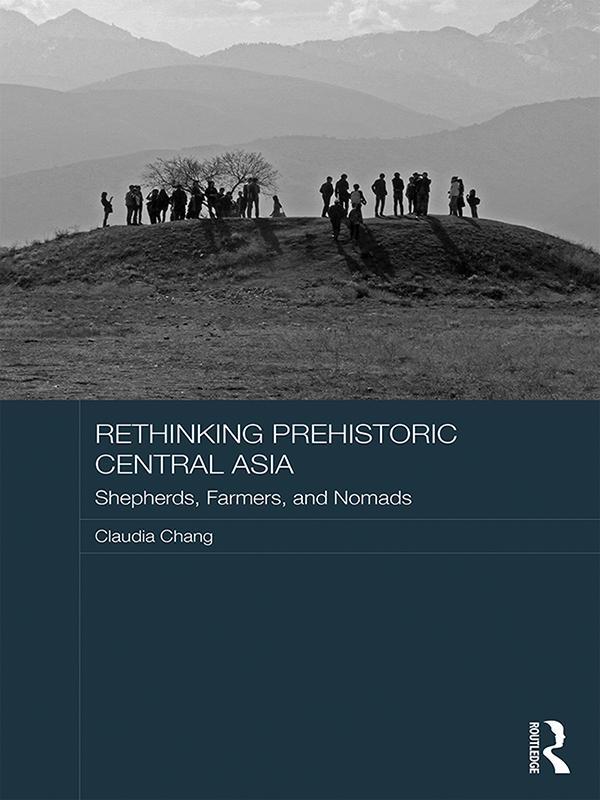
The peoples of Inner Asia in the second half of the first millennium BC have long been considered to be nomads, engaging in warfare and conflict. This book, which presents the findings of new archaeological research in southeastern Kazakhstan, analyzes these findings to present important conclusions about the nature of Inner Asian society in this period. Pots, animal bones, ancient plant remains, and mudbricks are details from the material record proving that the ancient folk cultivated wheat, barley, and the two millets, and also husbanded sheep, goats, cattle, and horses. The picture presented is of societies which were more complex than heretofore understood: with an economic foundation based on both herding and farming, producing surplus agricultural goods which were exported, and with a hierarchical social structure, including elites and commoners, made cohesive by gift-giving, feasting, and tribute, rather than conflict and warfare. The book includes material on the impact of the first opening of the Silk Route by the Han emperors of China.
Betaal eenvoudig met kaart, Klarna, Apple Pay of Google Pay. Niet tevreden? Je hebt altijd 14 dagen bedenktijd. Lees meer in onze voorwaarden. Heb je vragen, mail ons dan via hello@memmo.org.
Memmo maakt studeren makkelijker – waar je ook bent ter wereld. Wij brengen je cursusboeken en slimme studietools samen op één plek: samenvattingen, quizzen, podcasts en flashcards. En Ted, je studievriend die antwoord geeft op alles wat je je afvraagt. Meer dan 50.000 studenten studeren hier al – gebouwd om je sneller te laten leren en minder stress te geven.