
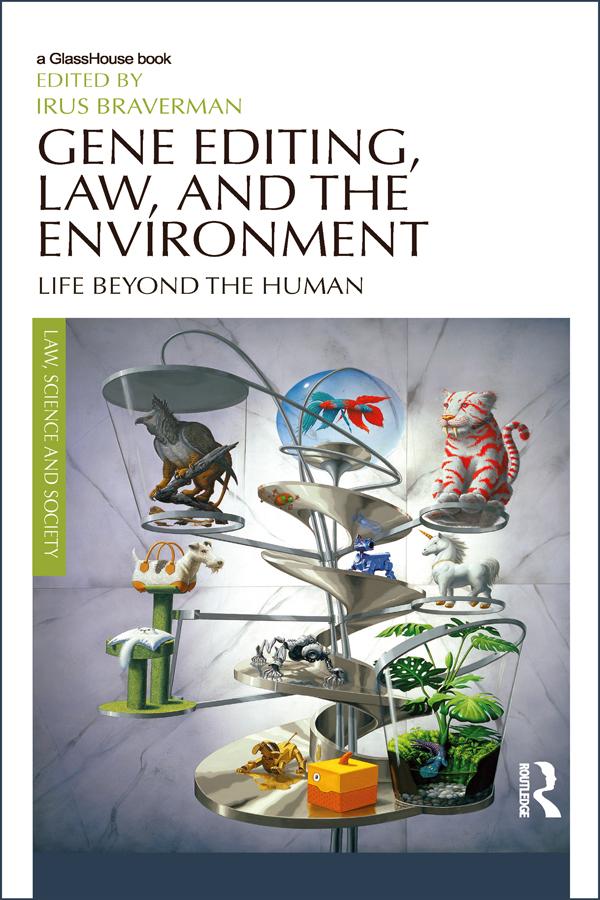
Technologies like CRISPR and gene drives are ushering in a new era of genetic engineering, wherein the technical means to modify DNA are cheaper, faster, more accurate, more widely accessible, and with more far-reaching effects than ever before. These cutting-edge technologies raise legal, ethical, cultural, and ecological questions that are so broad and consequential for both human and other-than-human life that they can be difficult to grasp. What is clear, however, is that the power to directly alter not just a singular form of life but also the genetics of entire species and thus the composition of ecosystems is currently both inadequately regulated and undertheorized. In Gene Editing, Law, and the Environment, distinguished scholars from law, the life sciences, philosophy, environmental studies, science and technology studies, animal health, and religious studies examine what is at stake with these new biotechnologies for life and law, both human and beyond.
Betaal eenvoudig met kaart, Klarna, Apple Pay of Google Pay. Niet tevreden? Je hebt altijd 14 dagen bedenktijd. Lees meer in onze voorwaarden. Heb je vragen, mail ons dan via hello@memmo.org.
Memmo maakt studeren makkelijker – waar je ook bent ter wereld. Wij brengen je cursusboeken en slimme studietools samen op één plek: samenvattingen, quizzen, podcasts en flashcards. En Ted, je studievriend die antwoord geeft op alles wat je je afvraagt. Meer dan 50.000 studenten studeren hier al – gebouwd om je sneller te laten leren en minder stress te geven.