
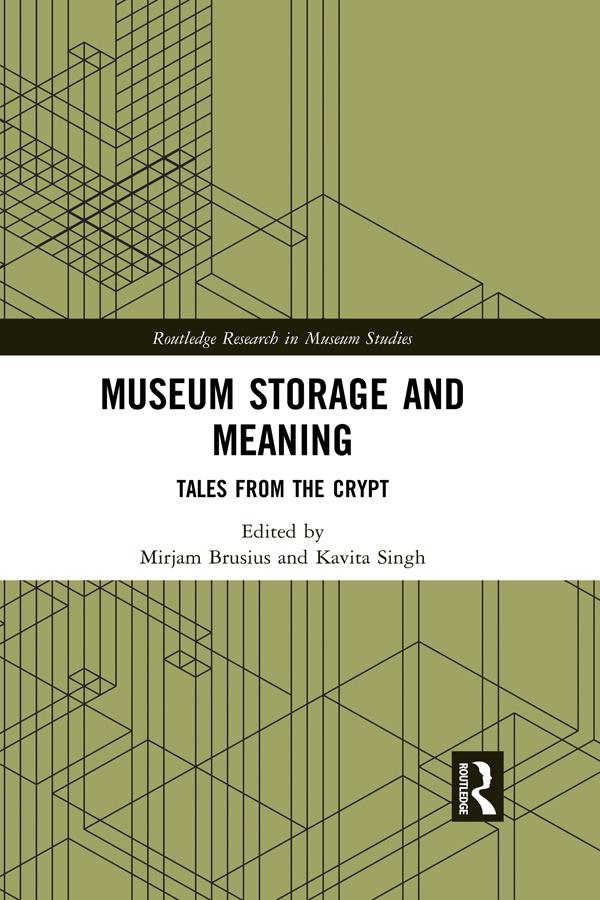
Beyond their often beautiful exhibition halls, many museums contain vast, hidden spaces in which objects may be stored, conserved, or processed. Museums can also include unseen archives, study rooms, and libraries which are inaccessible to the public. This collection of essays focuses on this domain, an area that has hitherto received little attention. Divided into four sections, the book critically examines the physical space of museum storage areas, the fluctuating historical fortunes of exhibits, the growing phenomenon of publicly visible storage, and the politics of objects deemed worthy of collection but unsuitable for display. In doing so, it explores issues including the relationship between storage and canonization, the politics of collecting, the use of museum storage as a form of censorship, the architectural character of storage space, and the economic and epistemic value of museum objects. Essay contributions come from a broad combination of museum directors, curators, archaeologists, historians, and other academics.
Betaal eenvoudig met kaart, Klarna, Apple Pay of Google Pay. Niet tevreden? Je hebt altijd 14 dagen bedenktijd. Lees meer in onze voorwaarden. Heb je vragen, mail ons dan via hello@memmo.org.
Memmo maakt studeren makkelijker – waar je ook bent ter wereld. Wij brengen je cursusboeken en slimme studietools samen op één plek: samenvattingen, quizzen, podcasts en flashcards. En Ted, je studievriend die antwoord geeft op alles wat je je afvraagt. Meer dan 50.000 studenten studeren hier al – gebouwd om je sneller te laten leren en minder stress te geven.
Misschien vind je dit ook leuk
Koop het boek0