
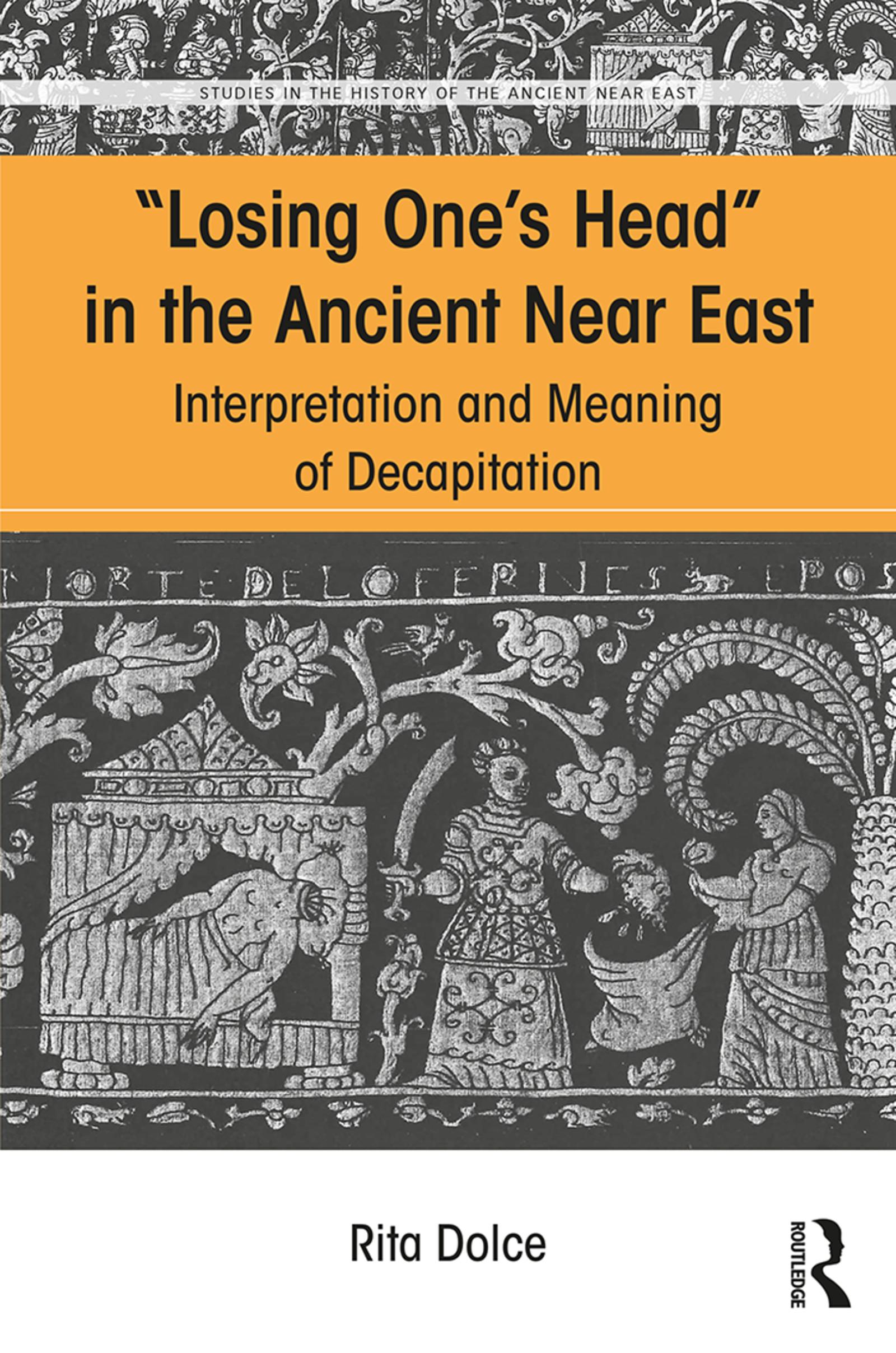
In the Ancient Near East, cutting off someone’s head was a unique act, not comparable to other types of mutilation, and therefore charged with a special symbolic and communicative significance. This book examines representations of decapitation in both images and texts, particularly in the context of war, from a trans-chronological perspective that aims to shed light on some of the conditions, relationships and meanings of this specific act. The severed head is a “coveted object” for the many individuals who interact with it and determine its fate, and the act itself appears to take on the hallmarks of a ritual. Drawing mainly on the evidence from Anatolia, Syria and Mesopotamia between the third and first millennia BC, and with reference to examples from prehistory to the Neo-Assyrian Period, this fascinating study will be of interest not only to art historians, but to anyone interested in the dynamics of war in the ancient world.
Betaal eenvoudig met kaart, Klarna, Apple Pay of Google Pay. Niet tevreden? Je hebt altijd 14 dagen bedenktijd. Lees meer in onze voorwaarden. Heb je vragen, mail ons dan via hello@memmo.org.
Memmo maakt studeren makkelijker – waar je ook bent ter wereld. Wij brengen je cursusboeken en slimme studietools samen op één plek: samenvattingen, quizzen, podcasts en flashcards. En Ted, je studievriend die antwoord geeft op alles wat je je afvraagt. Meer dan 50.000 studenten studeren hier al – gebouwd om je sneller te laten leren en minder stress te geven.