
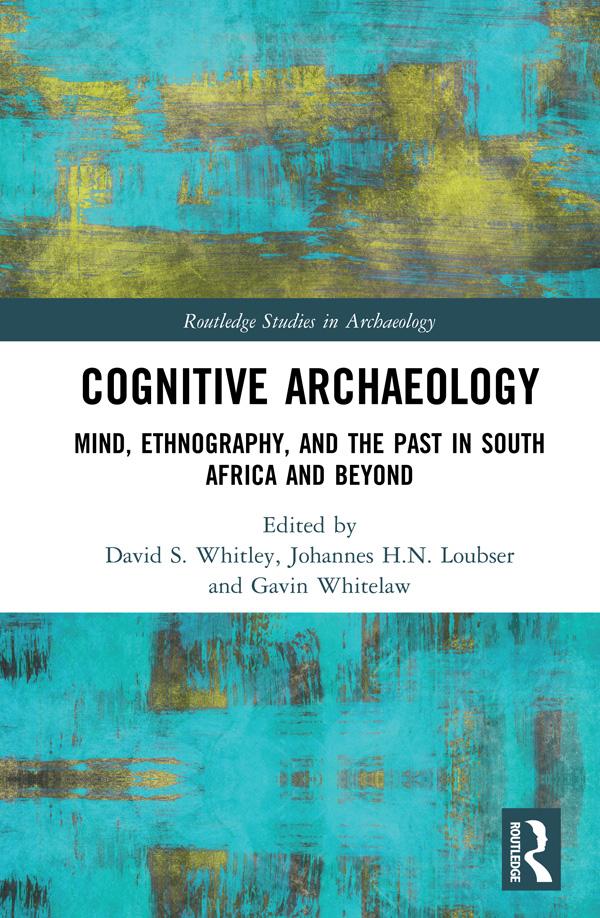
Cognitive Archaeology: Mind, Ethnography, and the Past in South Africa and Beyond aims to interpret the social and cultural lives of the past, in part by using ethnography to build informed models of past cultural and social systems and partly by using natural models to understand symbolism and belief.
How does an archaeologist interpret the past? Which theories are relevant, what kinds of data must be acquired, and how can interpretations be derived? One interpretive approach, developed in southern Africa in the 1980s, has been particularly successful even if still not widely known globally. With an expressed commitment to scientific method, it has resulted in deeper, well-tested understandings of belief, ritual, settlement patterns and social systems. This volume brings together a series of papers that demonstrate and illustrate this approach to archaeological interpretation, including contributions from North America, Western Europe and sub-Saharan Africa, in the process highlighting innovative methodological and substantive research that improves our understanding of the human past.
Professional archaeological researchers would be the primary audience of this book. Because of its theoretical and methodological emphasis, it will also be relevant to method and theory courses and postgraduate students.
Betaal eenvoudig met kaart, Klarna, Apple Pay of Google Pay. Niet tevreden? Je hebt altijd 14 dagen bedenktijd. Lees meer in onze voorwaarden. Heb je vragen, mail ons dan via hello@memmo.org.
Memmo maakt studeren makkelijker – waar je ook bent ter wereld. Wij brengen je cursusboeken en slimme studietools samen op één plek: samenvattingen, quizzen, podcasts en flashcards. En Ted, je studievriend die antwoord geeft op alles wat je je afvraagt. Meer dan 50.000 studenten studeren hier al – gebouwd om je sneller te laten leren en minder stress te geven.