
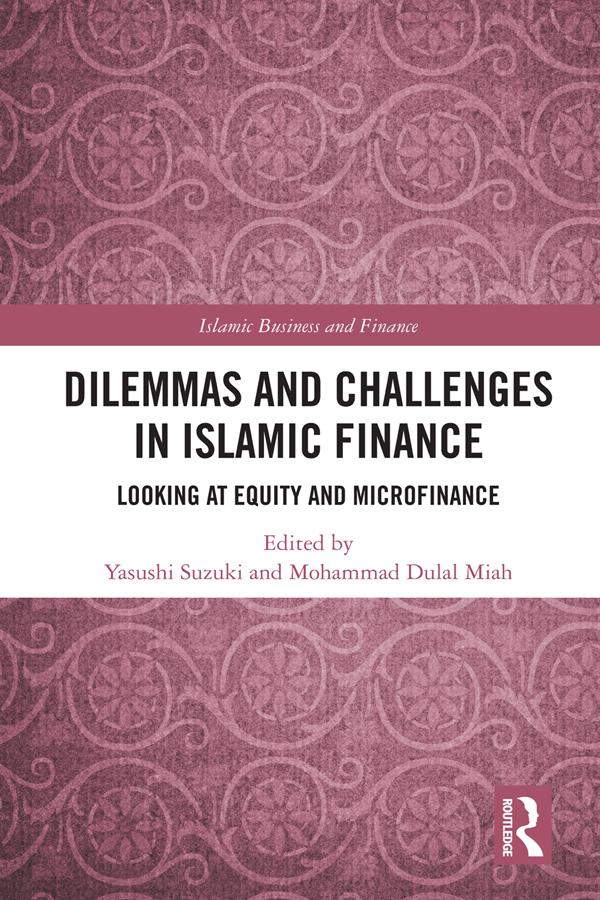
The phenomenal growth of Islamic finance in the last few decades has been accompanied by a host of interesting questions and challenges. One of the critical challenges is how Islamic financial institutions can be motivated to participate in the 'equity-like' profit-and-loss sharing (PLS) contracts. It is observed that Islamic banks are reluctant to participate in the pure PLS scheme which is manifested by the rising concentration of investment on murabaha or mark-up financing. This phenomenon has been the hotbed of academic criticism on the contemporary practice of Islamic banking. This book explains the 'murabaha syndrome' in light of the incentive provided by the current institutional framework and what are the changes required in the governance structure to mend this anomaly.
Betaal eenvoudig met kaart, Klarna, Apple Pay of Google Pay. Niet tevreden? Je hebt altijd 14 dagen bedenktijd. Lees meer in onze voorwaarden. Heb je vragen, mail ons dan via hello@memmo.org.
Memmo maakt studeren makkelijker – waar je ook bent ter wereld. Wij brengen je cursusboeken en slimme studietools samen op één plek: samenvattingen, quizzen, podcasts en flashcards. En Ted, je studievriend die antwoord geeft op alles wat je je afvraagt. Meer dan 50.000 studenten studeren hier al – gebouwd om je sneller te laten leren en minder stress te geven.