
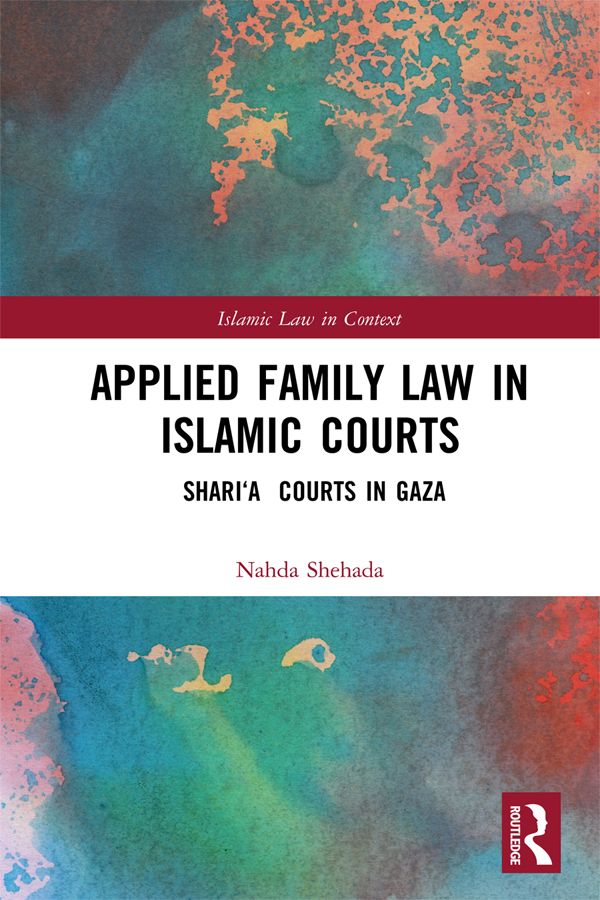
Written from an ethnographic perspective, this book investigates the socio-legal aspects of Islamic jurisprudence in Gaza-Palestine. It examines the way judges, lawyers and litigants operate with respect to the law and with each other, particularly given their different positions in the power structure within the court and within society at large. The book aims at elucidating ambivalences in the codified statutes that allow the actors to find practical solutions to their (often) legally unresolved problems and to manipulate the law. The book demonstrates that present-day judges are not only confronted with novel questions they have to find an answer to, but, perhaps more importantly, they are confronted with contradictions between the letter of codified law and their own notions of justice. The author reminds us that these notions of justice should not be set a priori; they are socially constructed in particular time and space.
Making a substantial contribution to a number of theoretical debates on family law and gender, the book will appeal to both academic and non-academic readers alike.
Betaal eenvoudig met kaart, Klarna, Apple Pay of Google Pay. Niet tevreden? Je hebt altijd 14 dagen bedenktijd. Lees meer in onze voorwaarden. Heb je vragen, mail ons dan via hello@memmo.org.
Memmo maakt studeren makkelijker – waar je ook bent ter wereld. Wij brengen je cursusboeken en slimme studietools samen op één plek: samenvattingen, quizzen, podcasts en flashcards. En Ted, je studievriend die antwoord geeft op alles wat je je afvraagt. Meer dan 50.000 studenten studeren hier al – gebouwd om je sneller te laten leren en minder stress te geven.