
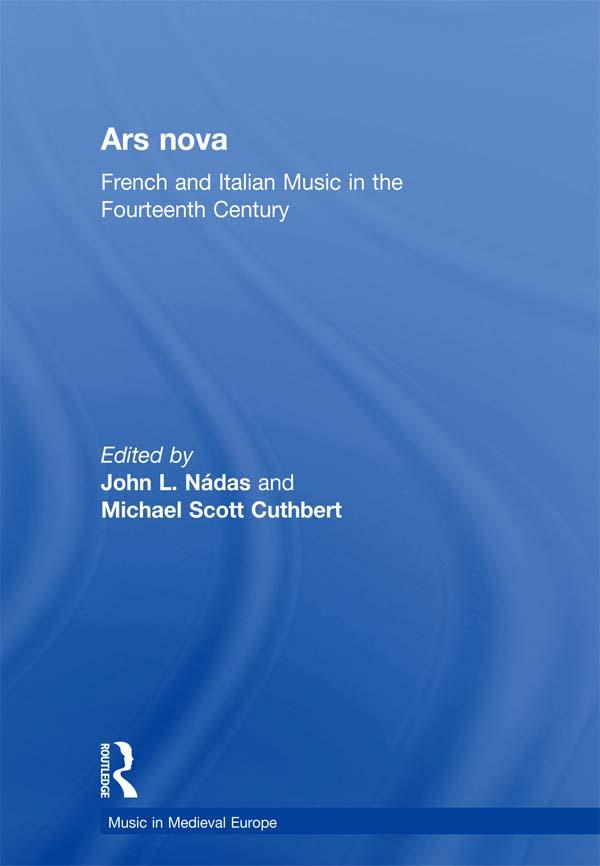
In the early fourteenth century, musicians in France and later Italy established new traditions of secular and sacred polyphony. This ars nova, or "new art," popularized by theorists such as Philippe de Vitry and Johannes de Muris was the among the first of many later movements to establish the music of the present as a clean break from the past. The rich music of this period, by composers such as Guillaume de Machaut and Francesco Landini, is not only beautiful, but also rewards deep study and analysis. Yet contradictions and gaps abound in the ars nova of the fourteenth and early fifteenth centuries-how do we read this music? how do we perform this music? what was the cultural context of these performances? These problems are well met by the ingenuity of approaches and solutions found by scholars in this volume. The twenty-seven articles brought together reflect the broad methodological and chronological range of scholarly inquiry on the ars nova.
Betaal eenvoudig met kaart, Klarna, Apple Pay of Google Pay. Niet tevreden? Je hebt altijd 14 dagen bedenktijd. Lees meer in onze voorwaarden. Heb je vragen, mail ons dan via hello@memmo.org.
Memmo maakt studeren makkelijker – waar je ook bent ter wereld. Wij brengen je cursusboeken en slimme studietools samen op één plek: samenvattingen, quizzen, podcasts en flashcards. En Ted, je studievriend die antwoord geeft op alles wat je je afvraagt. Meer dan 50.000 studenten studeren hier al – gebouwd om je sneller te laten leren en minder stress te geven.
Misschien vind je dit ook leuk
Koop het boek0