
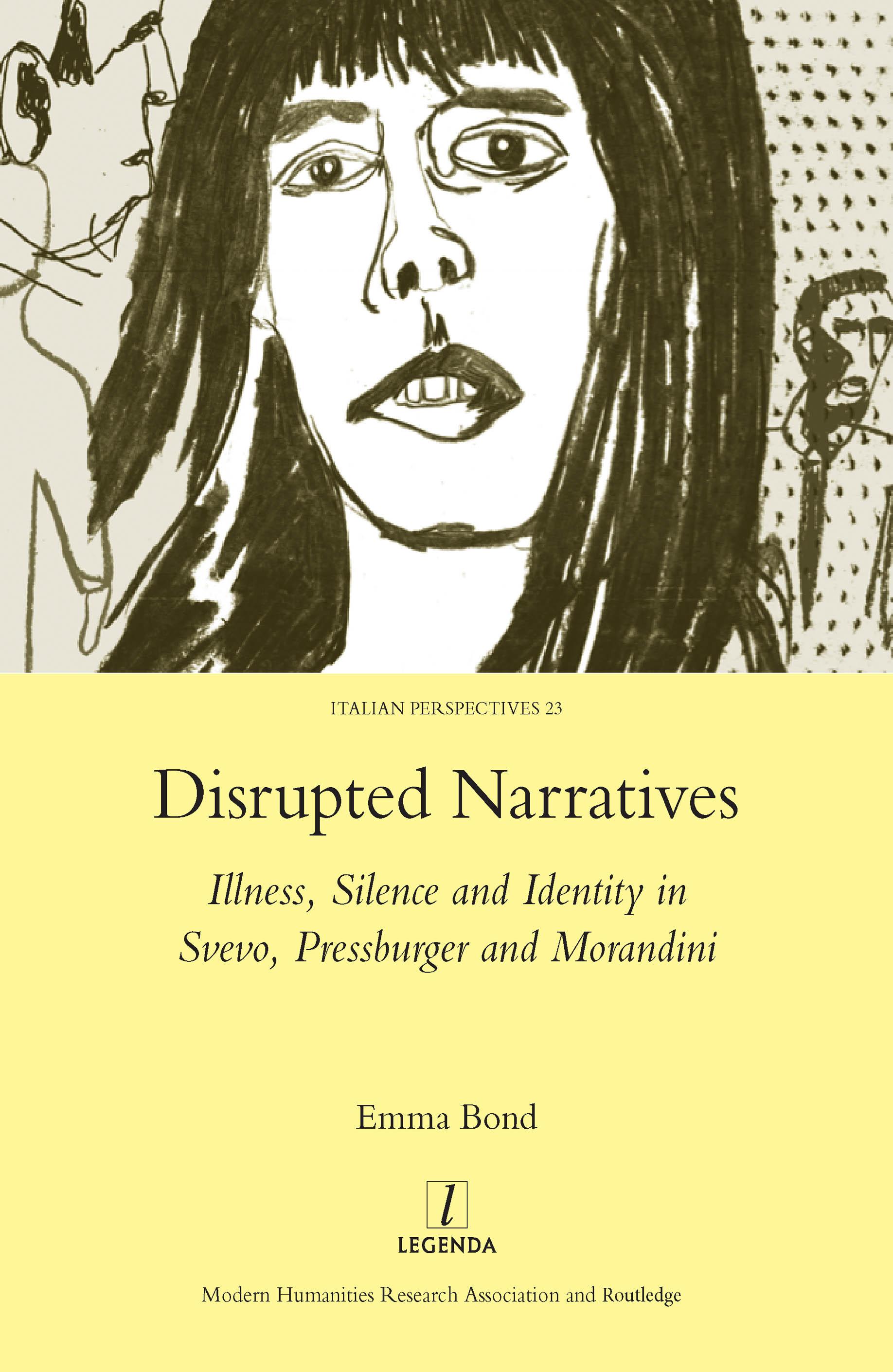
If Madame Bovary's death in Flaubert's 1857 novel marked the definitive end of the Romantic vision of literary disease, then the advent of psychoanalysis less than half a century later heralded an entirely new set of implications for literature dealing with illness. The theorization of a potential unconscious double (capable of expressing the body, and thus also the intimate damage caused by disease) in turn suggested a capacity to subvert or destabilize the text, exposing the main thread of the narrative to be unreliable or self-conscious. Indeed, the authors examined in this study (Italo Svevo (1861-1928), Giorgio Pressburger (1937-) and Giuliana Morandini (1938-)) all make use of individual 'infected' or suppressed voices within their texts which unfold through illness to cast doubt on a more (conventionally) dominant narrative standpoint. Applying the theories of Freud and more recent writings by Julia Kristeva, Bond offers a new critical reading of the literary function of illness, a function related to the very nature of narration itself.
Betaal eenvoudig met kaart, Klarna, Apple Pay of Google Pay. Niet tevreden? Je hebt altijd 14 dagen bedenktijd. Lees meer in onze voorwaarden. Heb je vragen, mail ons dan via hello@memmo.org.
Memmo maakt studeren makkelijker – waar je ook bent ter wereld. Wij brengen je cursusboeken en slimme studietools samen op één plek: samenvattingen, quizzen, podcasts en flashcards. En Ted, je studievriend die antwoord geeft op alles wat je je afvraagt. Meer dan 50.000 studenten studeren hier al – gebouwd om je sneller te laten leren en minder stress te geven.
Misschien vind je dit ook leuk
Koop het boek0