
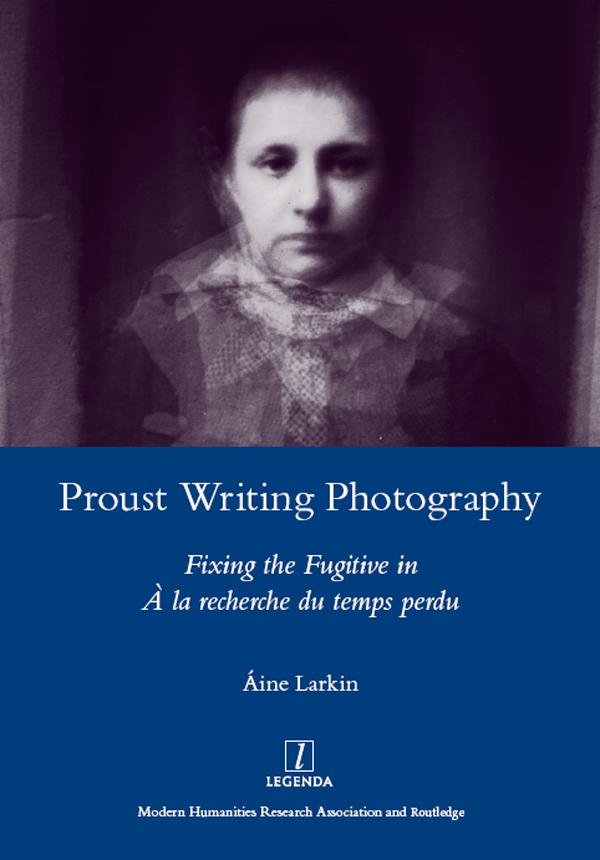
The importance of vision and visual arts such as painting, theatre, and sculpture in Marcel Proust's A la recherche du temps perdu has long been affirmed; another significant system of visual representation in the novel is photography. Proust appropriated photography as a practice with its own distinctive characteristics which could inform his writing about the processes of perception and memory. Through close textual analysis of scenes where photography is experienced or observed as a practice, and scenes where photography is written into the body of the text, Aine Larkin offers an invigorating new study that sheds genuinely new light on the presence of photographic motifs in Proust's novel, and the subtlety of Proust's engagement with this modern imaging system in his work.
Betaal eenvoudig met kaart, Klarna, Apple Pay of Google Pay. Niet tevreden? Je hebt altijd 14 dagen bedenktijd. Lees meer in onze voorwaarden. Heb je vragen, mail ons dan via hello@memmo.org.
Memmo maakt studeren makkelijker – waar je ook bent ter wereld. Wij brengen je cursusboeken en slimme studietools samen op één plek: samenvattingen, quizzen, podcasts en flashcards. En Ted, je studievriend die antwoord geeft op alles wat je je afvraagt. Meer dan 50.000 studenten studeren hier al – gebouwd om je sneller te laten leren en minder stress te geven.
Misschien vind je dit ook leuk
Koop het boek0