
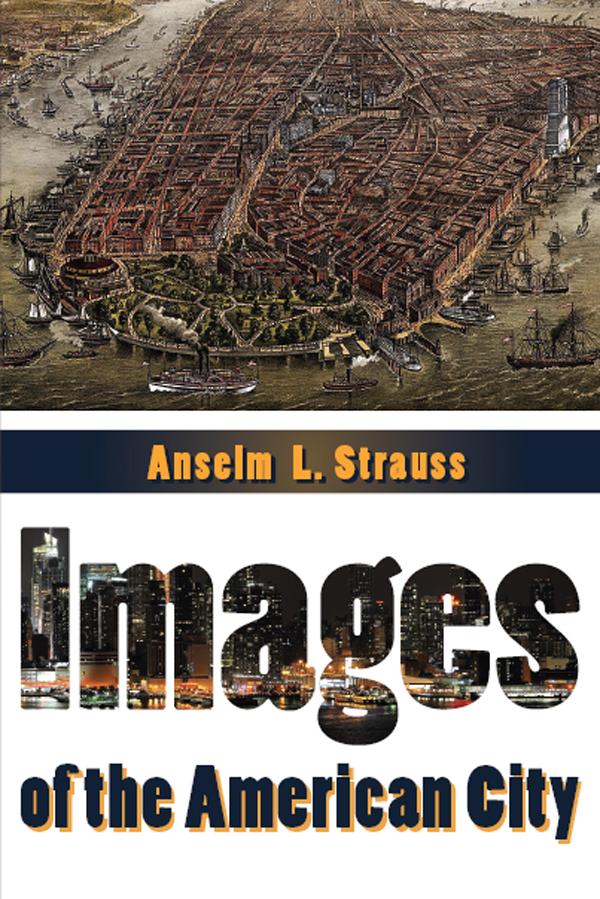
Originally published in 1961, Images of the American City examines how Americans dealt with the rapid shock of urbanization as it evolved from an agricultural nation. Working from the framework of a social psychologist, Anselm L. Strauss offers a deeper look into the sociological, psychological, and historical perspectives of urban development. He describes how the cultural changes of a space ultimately develop urban imagery by looking towards the urbanization of America from peoples' views of the cities rather than how the cities are themselves. Urban imageries are contrasted with the context of an ideal city and visitors' perspectives of cities. Strauss takes a step back to ask questions about what Americans think and have thought of their cities. How do these cities compare to the image of an ideal city? What are the different perspectives between a city-dweller and a visitor? He contrasts the tension between those within the city and those outside of its urban limits. Strauss describes how space and time are major themes in the symbolic urbanization of a city. He offers a macroscopic view of the city as a whole and shows how urban imageries evolved from changes in lifestyles. He then provides historical breakdowns of different regions of the country and how they were urbanized. This book documents and illustrates the change in American symbolization from the growth of American cities to the union of urbanity and rurality.
Betaal eenvoudig met kaart, Klarna, Apple Pay of Google Pay. Niet tevreden? Je hebt altijd 14 dagen bedenktijd. Lees meer in onze voorwaarden. Heb je vragen, mail ons dan via hello@memmo.org.
Memmo maakt studeren makkelijker – waar je ook bent ter wereld. Wij brengen je cursusboeken en slimme studietools samen op één plek: samenvattingen, quizzen, podcasts en flashcards. En Ted, je studievriend die antwoord geeft op alles wat je je afvraagt. Meer dan 50.000 studenten studeren hier al – gebouwd om je sneller te laten leren en minder stress te geven.
Misschien vind je dit ook leuk
Koop het boek0