
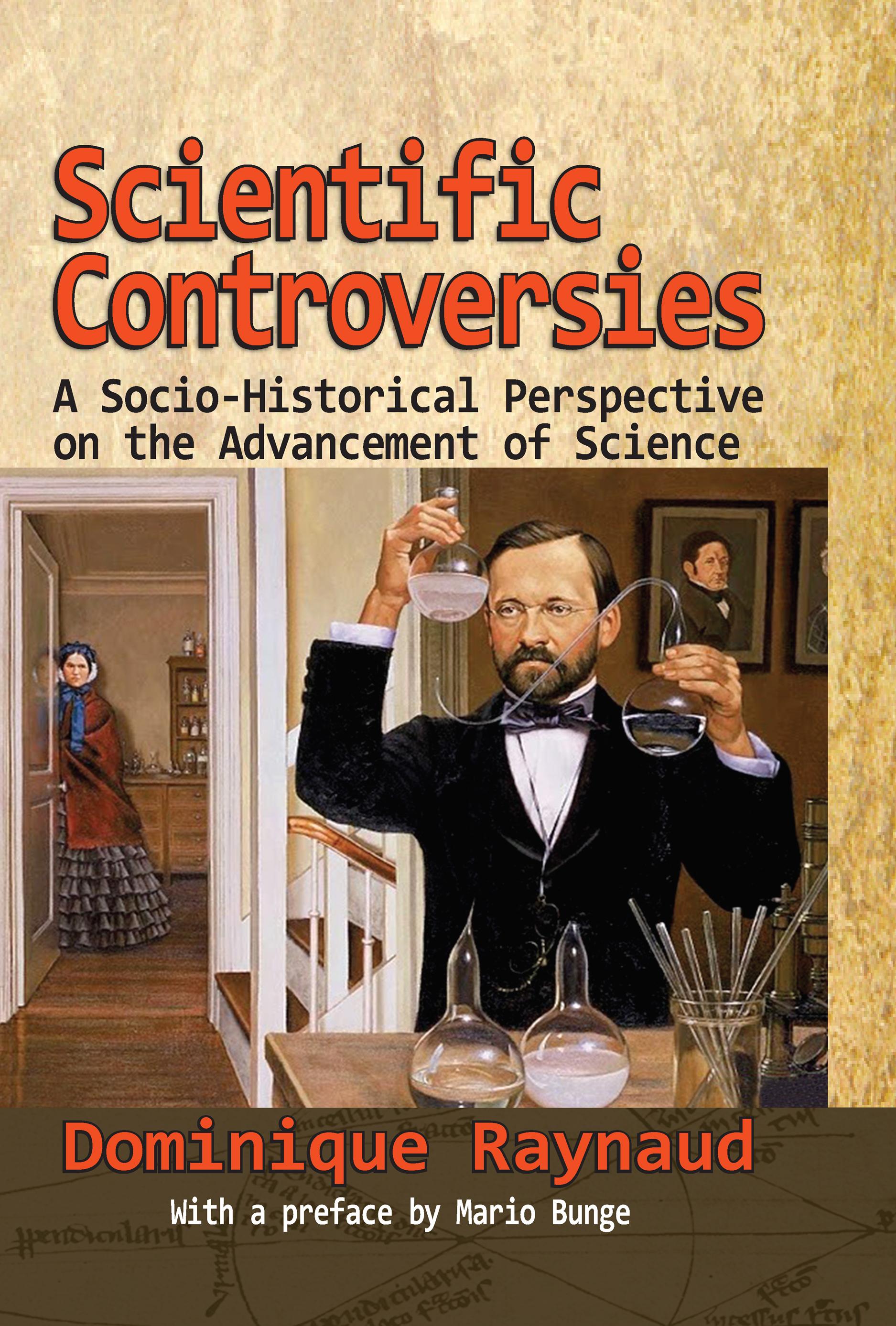
In Scientific Controversies, Dominque Raynaud shows how organized debates in the sciences help us establish or verify our knowledge of the world. If debates focus on form, scientific controversies are akin to public debates that can be understood within the framework of theories of conflict. If they focus on content, then such controversies have to do with a specific activity and address the nature of science itself. Understanding the major focus of a scientific controversy is a first step toward understanding these debates and assessing their merits.Controversies of unique socio-historic context, disciplines, and characteristics are examined: Pasteur's germ theory and Pouchet's theory of spontaneous generation; vitalism advocated at Montpellier versus experimental medicine in Paris; the science of optics about the propagation of visual rays; the origins of relativism (the Duhem-Quine problem). Touching on the work of Boudon, Popper, and others, Raynaud puts forward an incrementalist theory about the advancement of science through scientific controversies.The debates Raynaud has selected share in common their pivotal importance to the history of the sciences. By understanding the role of controversy, we better understand the functioning of science and the stakes of the contemporary scientific debates.
Betaal eenvoudig met kaart, Klarna, Apple Pay of Google Pay. Niet tevreden? Je hebt altijd 14 dagen bedenktijd. Lees meer in onze voorwaarden. Heb je vragen, mail ons dan via hello@memmo.org.
Memmo maakt studeren makkelijker – waar je ook bent ter wereld. Wij brengen je cursusboeken en slimme studietools samen op één plek: samenvattingen, quizzen, podcasts en flashcards. En Ted, je studievriend die antwoord geeft op alles wat je je afvraagt. Meer dan 50.000 studenten studeren hier al – gebouwd om je sneller te laten leren en minder stress te geven.
Misschien vind je dit ook leuk
Koop het boek0