
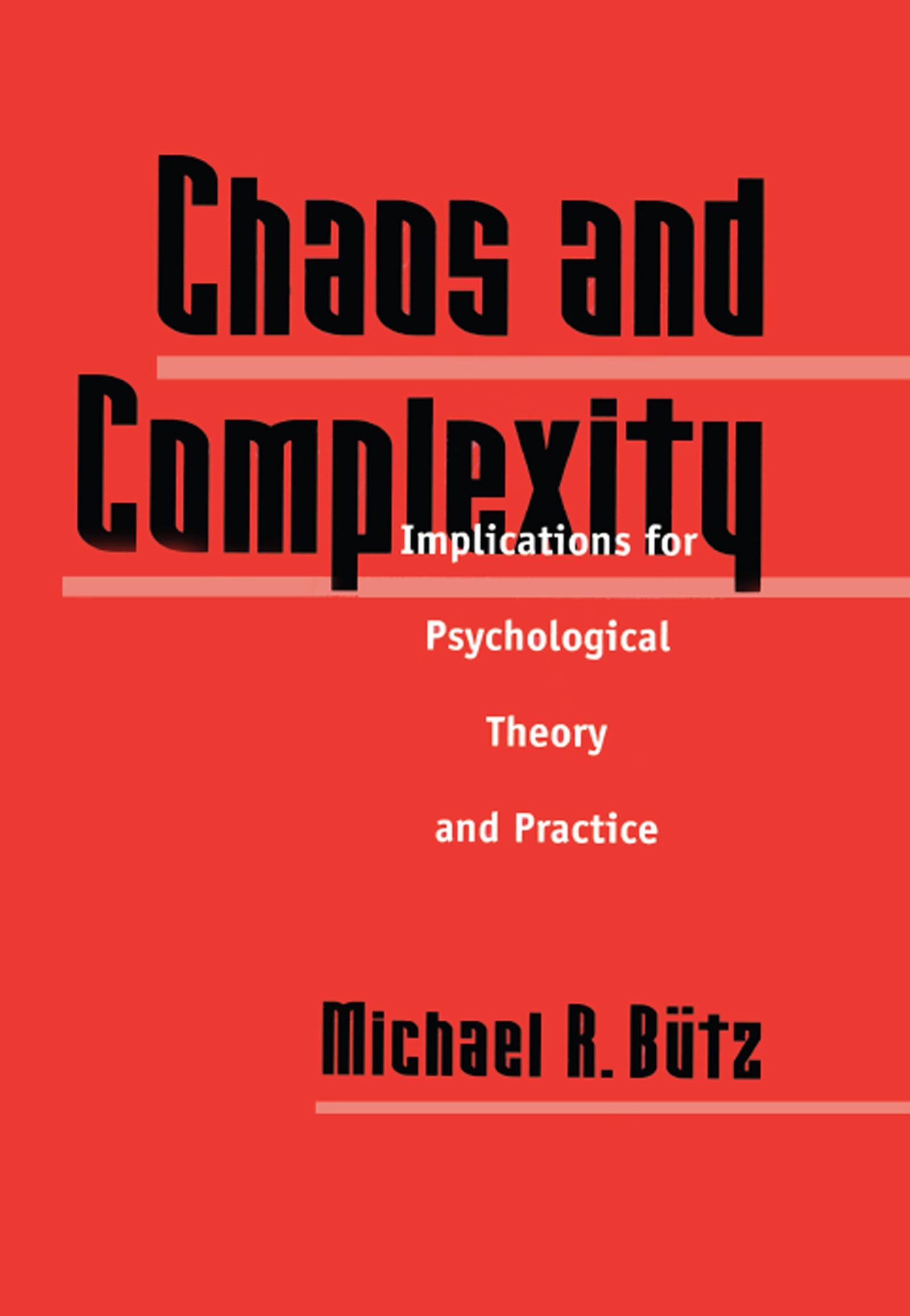
The nature of this book is to emphasize the inherent complexity and richness of the human experience of change. Now, the author believes there to be an acceptable "scientific" explanation for this phenomona. Explored here are 30 years of studies to describe nonlinear dynamics, today termed either chaos theory or complexity theory. The connotations of both theories are discussed at length. Offering social scientists validation in their attempts to describe and define phenomona of a previously ineffable nature, this book explores chaos' implications for psychology and the social sciences. It describes the benefits psychology can glean from using ideas in chaos theory and applying them to psychology in general, individual psycho-therapy, couples therapy, and community psychology, and also considers possible directions for research and application.
Betaal eenvoudig met kaart, Klarna, Apple Pay of Google Pay. Niet tevreden? Je hebt altijd 14 dagen bedenktijd. Lees meer in onze voorwaarden. Heb je vragen, mail ons dan via hello@memmo.org.
Memmo maakt studeren makkelijker – waar je ook bent ter wereld. Wij brengen je cursusboeken en slimme studietools samen op één plek: samenvattingen, quizzen, podcasts en flashcards. En Ted, je studievriend die antwoord geeft op alles wat je je afvraagt. Meer dan 50.000 studenten studeren hier al – gebouwd om je sneller te laten leren en minder stress te geven.
Misschien vind je dit ook leuk
Koop het boek0