
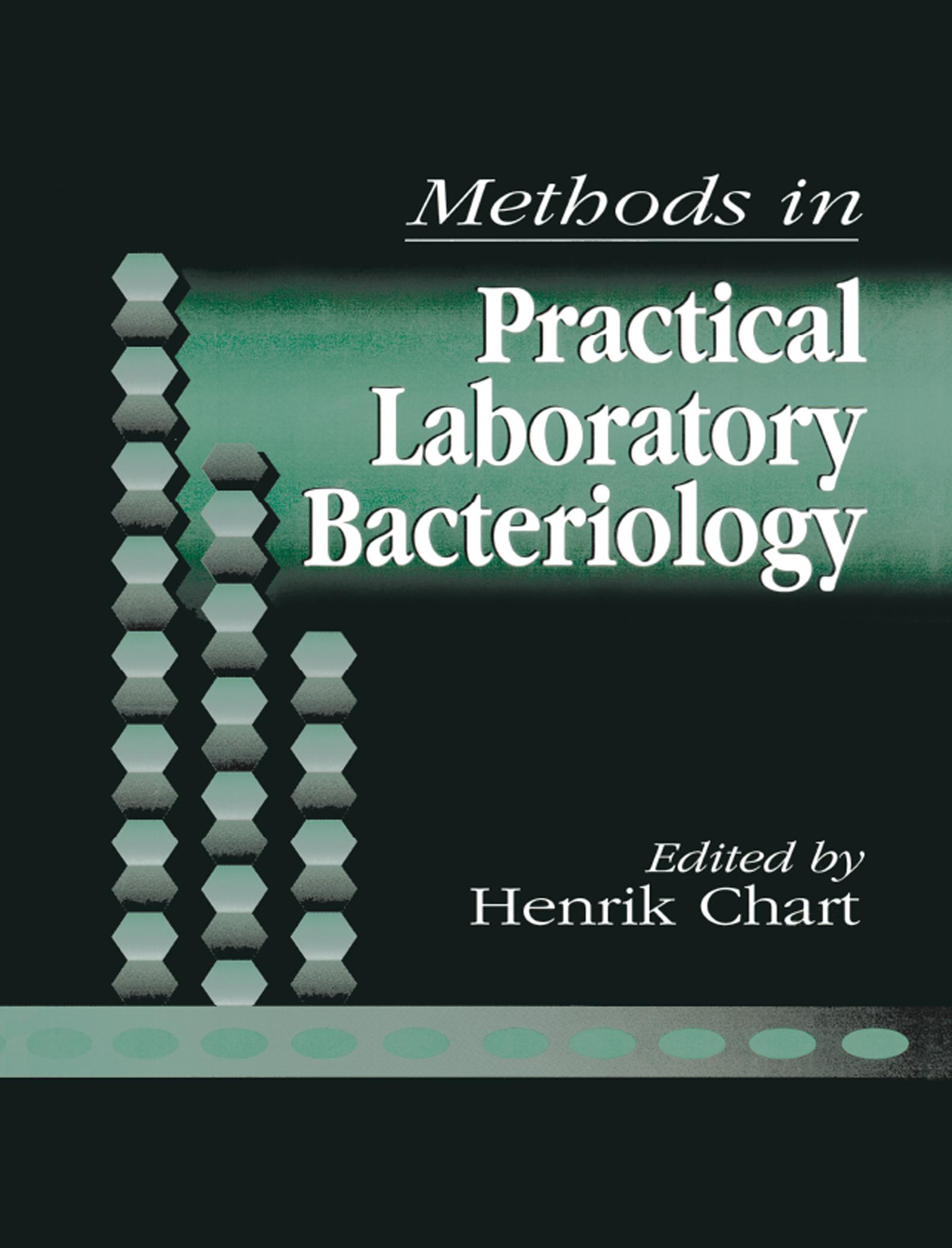
The success of laboratory experiments relies heavily on the technical ability of the bench scientist, with the aid of "tricks-of-the-trade", to generate consistent and reliable data. Regrettably, however, these invaluable "tricks-of-the-trade" are frequently omitted from scientific publications. This paucity of practical information relating to the conduct of laboratory bacteriology experiments creates a gaping void in the pertinent literature.
Methods in Practical Laboratory Bacteriology fills this void. It provides detailed technical information that ensures that you achieve consistent and reliable data. The book addresses the aspects of bacterial fractionation and membrane characterization, the analysis of Lipopolysaccharides and the techniques of SDS-PAGE, immunoblotting, and ELISA. It also describes the methods used for detecting and quantifying bacterial resistance to antibiotics, and the analysis of bacterial chromosomes by pulsed-field gel electrophoresis (PFGE). Methods in Practical Laboratory Bacteriology also covers protocols for extracting the fingerprinting plasmids, as well as the use of non-radio labeled gene probes and ribosomal RNA gene probes.
Betaal eenvoudig met kaart, Klarna, Apple Pay of Google Pay. Niet tevreden? Je hebt altijd 14 dagen bedenktijd. Lees meer in onze voorwaarden. Heb je vragen, mail ons dan via hello@memmo.org.
Memmo maakt studeren makkelijker – waar je ook bent ter wereld. Wij brengen je cursusboeken en slimme studietools samen op één plek: samenvattingen, quizzen, podcasts en flashcards. En Ted, je studievriend die antwoord geeft op alles wat je je afvraagt. Meer dan 50.000 studenten studeren hier al – gebouwd om je sneller te laten leren en minder stress te geven.
Misschien vind je dit ook leuk
Koop het boek0