
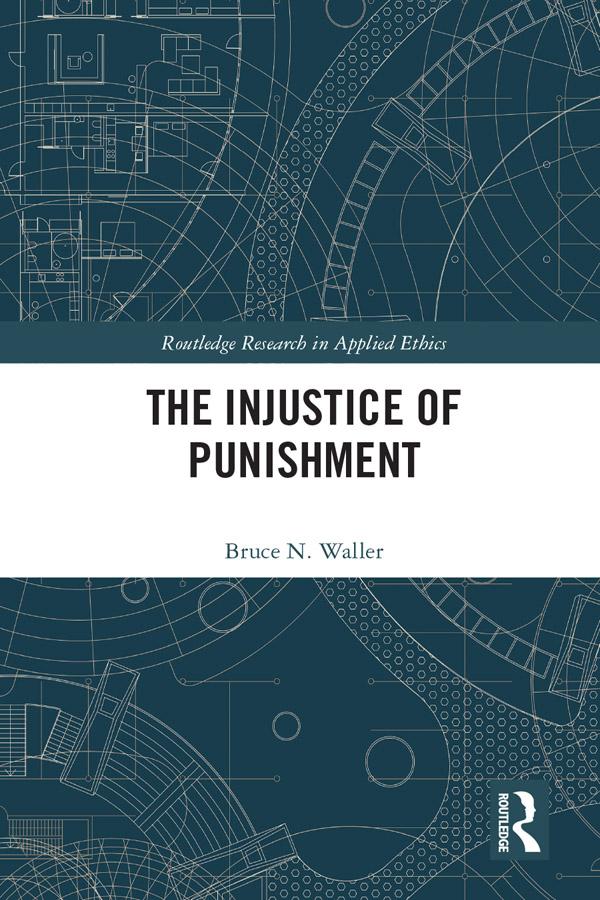
The Injustice of Punishment emphasizes that we can never make sense of moral responsibility while also acknowledging that punishment is sometimes unavoidable. Recognizing both the injustice and the necessity of punishment is painful but also beneficial. It motivates us to find effective means of minimizing both the use and severity of punishment, and encourages deeper inquiry into the causes of destructive behavior and how to change those causes in order to reduce the need for punishment. There is an emerging alternative to the comfortable but destructive system of moral responsibility and just deserts. That alternative is not the creation of philosophers but of sociologists, criminologists, psychologists, and workplace engineers; it was developed, tested, and employed in factories, prisons, hospitals, and other settings; and it is writ large in the practices of cultures that minimize belief in individual moral responsibility. The alternative marks a promising path to less punishment, less coercive control, deeper common commitment, and more genuine freedom.
Betaal eenvoudig met kaart, Klarna, Apple Pay of Google Pay. Niet tevreden? Je hebt altijd 14 dagen bedenktijd. Lees meer in onze voorwaarden. Heb je vragen, mail ons dan via hello@memmo.org.
Memmo maakt studeren makkelijker – waar je ook bent ter wereld. Wij brengen je cursusboeken en slimme studietools samen op één plek: samenvattingen, quizzen, podcasts en flashcards. En Ted, je studievriend die antwoord geeft op alles wat je je afvraagt. Meer dan 50.000 studenten studeren hier al – gebouwd om je sneller te laten leren en minder stress te geven.