
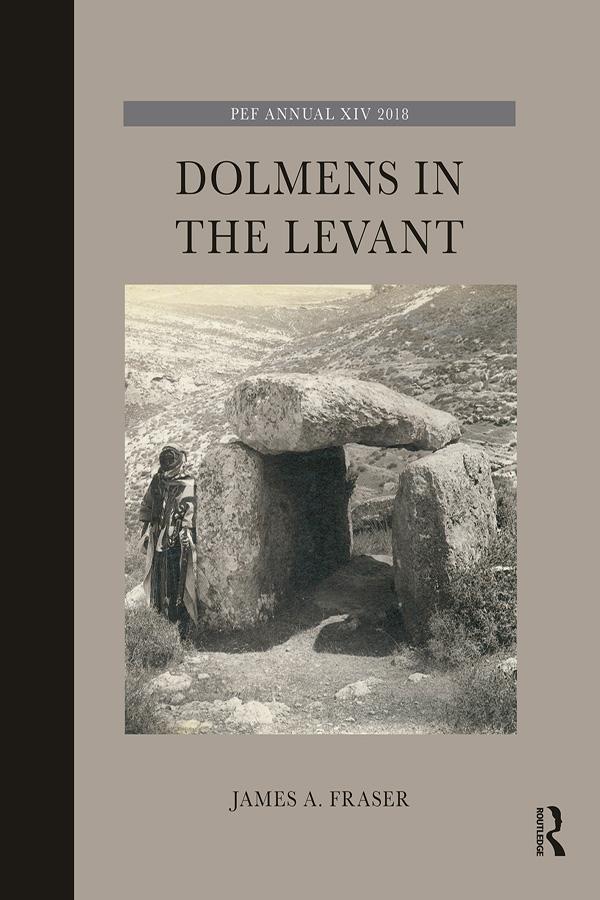
When Western explorers first encountered dolmens in the Levant, they thought they had discovered the origins of a megalithic phenomenon that spread as far as the Atlantic coast. Although European dolmens are now considered an unrelated tradition, many researchers continue to approach dolmens in the Levant as part of a trans-regional phenomenon that spanned the Taurus mountains to the Arabian peninsula.
By tightly defining the term 'dolmen' itself, this book brings these mysterious monuments into sharper focus. Drawing on historical, archaeological and geological sources, it is shown that dolmens in the Levant mostly concentrate in the eastern escarpment of the Jordan Rift Valley, and in the Galilean hills. They cluster near proto-urban settlements of the Early Bronze I period (3700–3000 BCE) in particular geological zones suitable for the extraction of megalithic slabs. Rather than approaching dolmens as a regional phenomenon, this book considers dolmens as part of a local burial tradition whose tomb forms varied depending on geological constraints.
Dolmens in the Levant is essential for anyone interested in the rise of civilisations in the ancient Middle East, and particularly those who have wondered at the origins of these enigmatic burial monuments that dominate the landscape.
Betaal eenvoudig met kaart, Klarna, Apple Pay of Google Pay. Niet tevreden? Je hebt altijd 14 dagen bedenktijd. Lees meer in onze voorwaarden. Heb je vragen, mail ons dan via hello@memmo.org.
Memmo maakt studeren makkelijker – waar je ook bent ter wereld. Wij brengen je cursusboeken en slimme studietools samen op één plek: samenvattingen, quizzen, podcasts en flashcards. En Ted, je studievriend die antwoord geeft op alles wat je je afvraagt. Meer dan 50.000 studenten studeren hier al – gebouwd om je sneller te laten leren en minder stress te geven.