
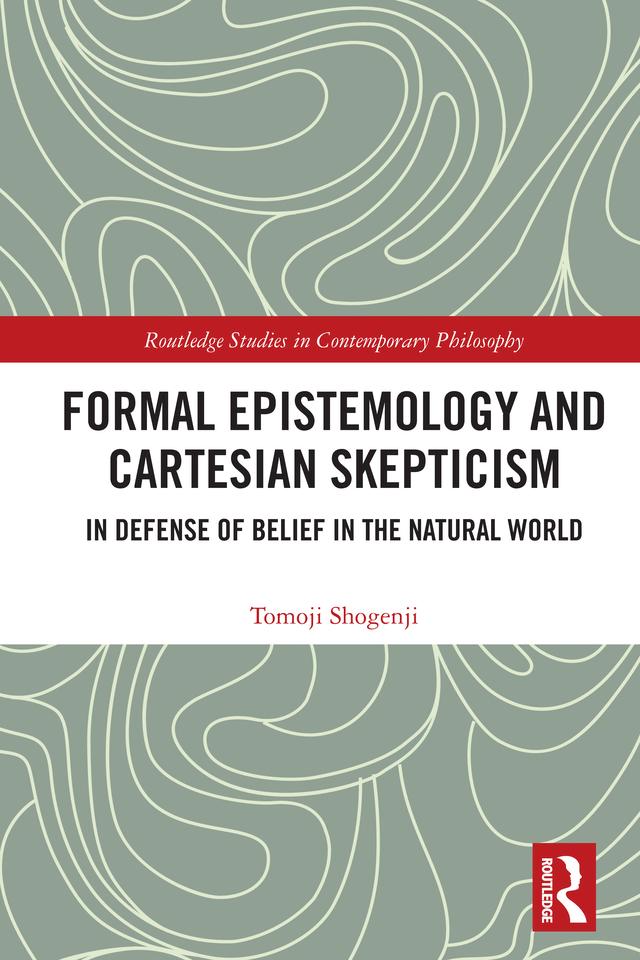
This book develops new techniques in formal epistemology and applies them to the challenge of Cartesian skepticism. It introduces two formats of epistemic evaluation that should be of interest to epistemologists and philosophers of science: the dual-component format, which evaluates a statement on the basis of its safety and informativeness, and the relative-divergence format, which evaluates a probabilistic model on the basis of its complexity and goodness of fit with data. Tomoji Shogenji shows that the former lends support to Cartesian skepticism, but the latter allows us to defeat Cartesian skepticism. Along the way, Shogenji addresses a number of related issues in epistemology and philosophy of science, including epistemic circularity, epistemic closure, and inductive skepticism.
Betaal eenvoudig met kaart, Klarna, Apple Pay of Google Pay. Niet tevreden? Je hebt altijd 14 dagen bedenktijd. Lees meer in onze voorwaarden. Heb je vragen, mail ons dan via hello@memmo.org.
Memmo maakt studeren makkelijker – waar je ook bent ter wereld. Wij brengen je cursusboeken en slimme studietools samen op één plek: samenvattingen, quizzen, podcasts en flashcards. En Ted, je studievriend die antwoord geeft op alles wat je je afvraagt. Meer dan 50.000 studenten studeren hier al – gebouwd om je sneller te laten leren en minder stress te geven.