
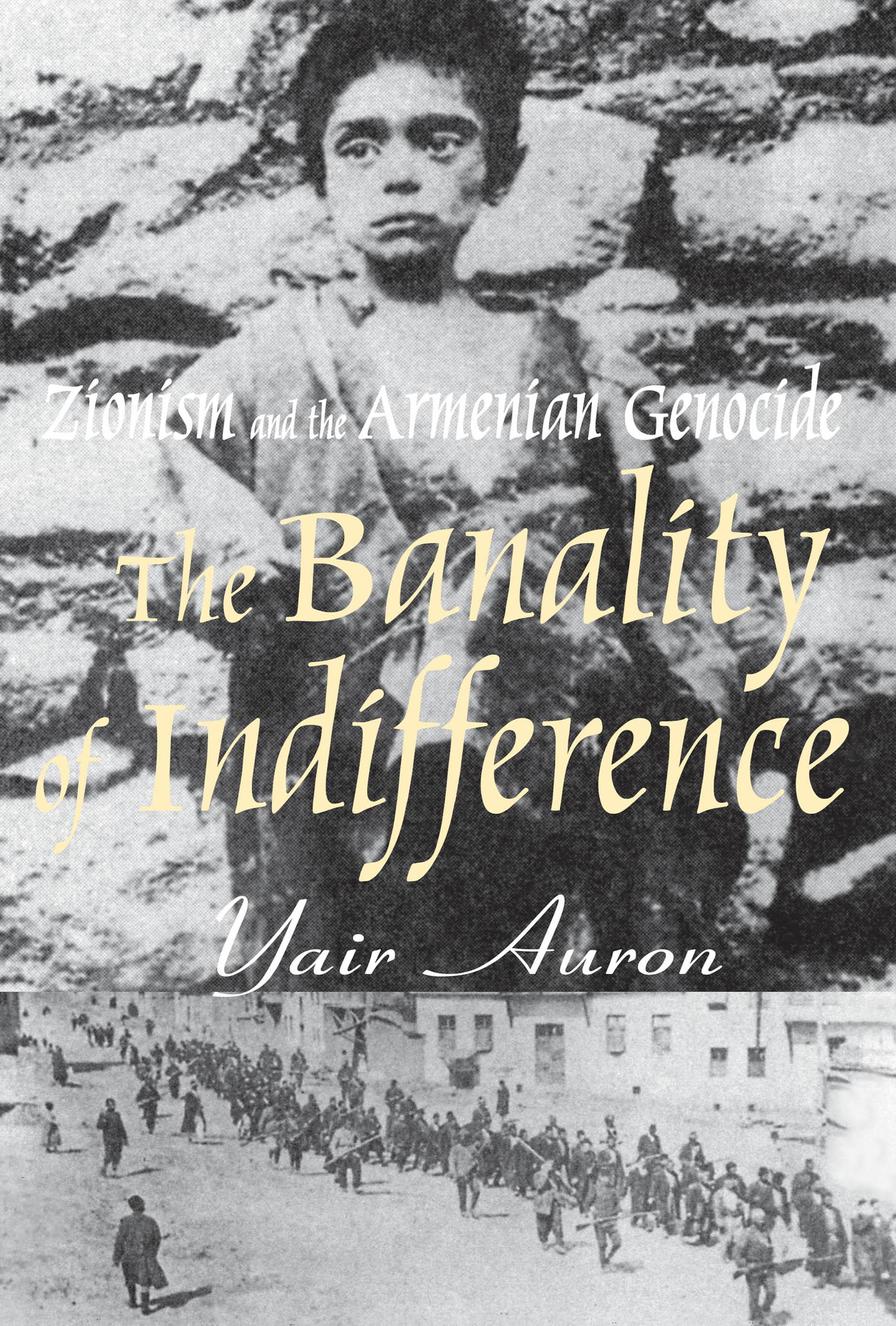
The genocide of Armenians by Turks during the First World War was one of the most horrendous deeds of modern times and a precursor of the genocidal acts that have marked the rest of the twentieth century. Despite the worldwide attention the atrocities received at the time, the massacre has not remained a part of the world's historical consciousness. The parallels between the Jewish and Armenian situations and the reactions of the Jewish community in Palestine (the Yishuv) to the Armenian genocide, which was muted and largely self-interested, are explored by Yair Auron. In attempting to assess and interpret these disparate reactions, Auron maintains a fairminded balance in assessing claims of altruism and self-interest, expressed in universal, not merely Jewish, terms.
While not denying the uniqueness of the Holocaust, Auron carefully distinguishes it from the Armenian genocide reviewing existing theories and relating Armenian and Jewish experience to ongoing issues of politics and identity. As a groundbreaking work of comparative history, this volume will be read by Armenian area specialists, historians of Zionism and Israel, and students of genocide. Yair Auron is senior lecturer at The Open University of Israel and the Kibbutzim College of Education. He is the author, in Hebrew, of Jewish-Israeli Identity, Sensitivity to World Suffering: Genocide in the Twentieth Century, We Are All German Jews, and Jewish Radicals in France during the Sixties and Seventies (published in French as well)
Betaal eenvoudig met kaart, Klarna, Apple Pay of Google Pay. Niet tevreden? Je hebt altijd 14 dagen bedenktijd. Lees meer in onze voorwaarden. Heb je vragen, mail ons dan via hello@memmo.org.
Memmo maakt studeren makkelijker – waar je ook bent ter wereld. Wij brengen je cursusboeken en slimme studietools samen op één plek: samenvattingen, quizzen, podcasts en flashcards. En Ted, je studievriend die antwoord geeft op alles wat je je afvraagt. Meer dan 50.000 studenten studeren hier al – gebouwd om je sneller te laten leren en minder stress te geven.