
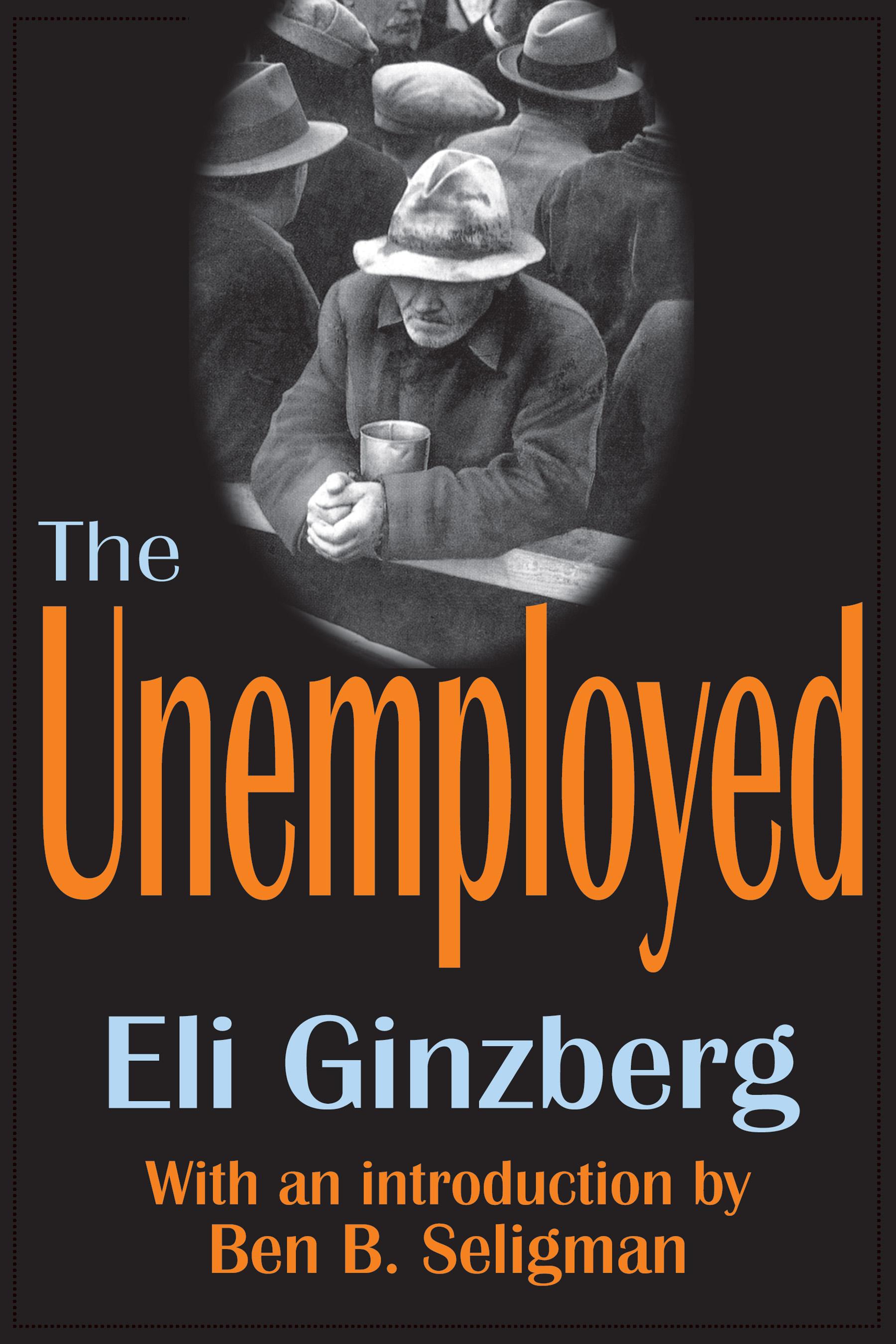
This classic study of the effect of unemployment and of the ways of relieving it upon actual, typical families of the 1930s and 1940s is a vivid, startling picture of the demoralizing influence and consequences of America's relief policies during the Depression years. The study comprises an incisive interpretation of the problem and a series of absorbing human interest stories of representative families on relief cases selected from experiences of relief, including the records of families from various religious groups in an exhaustive study conducted in New York City.
Most research on unemployment of the 1930s conspicuously lacks studies of the unemployed themselves. Yet, this is the crux of the matter necessary to truly understand the cbnsequences of unemployment then and now, so as to deal with it intelligently and efficiently. This book deals with what employment does to people. It answers important questions about the unemployed that are rarely asked. Who are they? Did they fail to earn a living even in prosperous times? What precipitated their unemployment? Do they prefer relief to work? Did unemployment bring about changes in how they think and feel? This is a volume of continuing relevance, and will be of interest to legislators, economists, social scientists, social workers, and psychologists.
Betaal eenvoudig met kaart, Klarna, Apple Pay of Google Pay. Niet tevreden? Je hebt altijd 14 dagen bedenktijd. Lees meer in onze voorwaarden. Heb je vragen, mail ons dan via hello@memmo.org.
Memmo maakt studeren makkelijker – waar je ook bent ter wereld. Wij brengen je cursusboeken en slimme studietools samen op één plek: samenvattingen, quizzen, podcasts en flashcards. En Ted, je studievriend die antwoord geeft op alles wat je je afvraagt. Meer dan 50.000 studenten studeren hier al – gebouwd om je sneller te laten leren en minder stress te geven.