
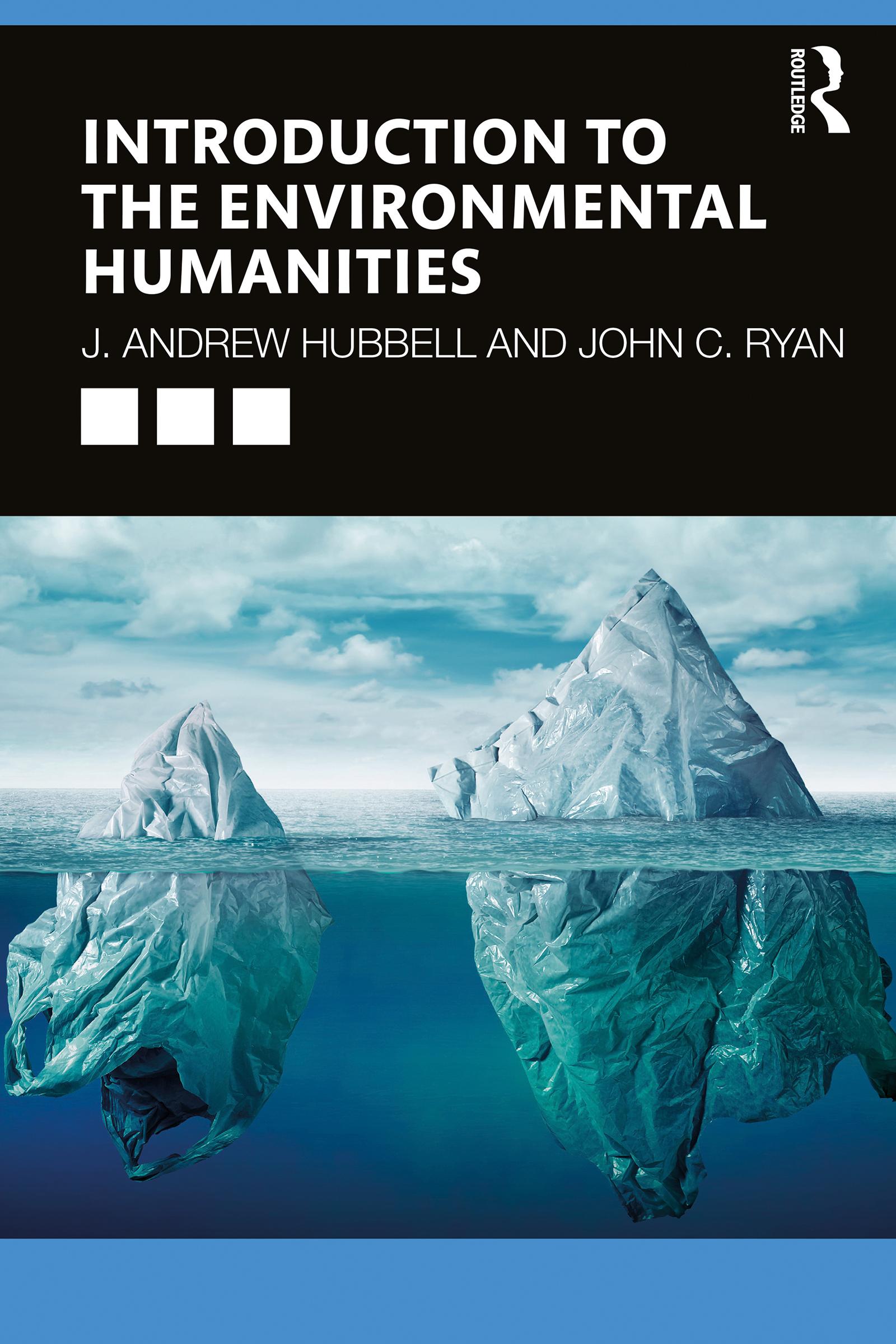
In an era of climate change, deforestation, melting ice caps, poisoned environments, and species loss, many people are turning to the power of the arts and humanities for sustainable solutions to global ecological problems. Introduction to the Environmental Humanities offers a practical and accessible guide to this dynamic and interdisciplinary field.
This book provides an overview of the Environmental Humanities’ evolution from the activist movements of the early and mid-twentieth century to more recent debates over climate change, sustainability, energy policy, and habitat degradation in the Anthropocene era. The text introduces readers to seminal writings, artworks, campaigns, and movements while demystifying important terms such as the Anthropocene, environmental justice, nature, ecosystem, ecology, posthuman, and non-human. Emerging theoretical areas such as critical animal and plant studies, gender and queer studies, Indigenous studies, and energy studies are also presented. Organized by discipline, the book explores the role that the arts and humanities play in the future of the planet.
Including case studies, discussion questions, annotated bibliographies, and links to online resources, this book offers a comprehensive and engaging overview of the Environmental Humanities for introductory readers. For more advanced readers, it serves as a foundation for future study, projects, or professional development.
Betaal eenvoudig met kaart, Klarna, Apple Pay of Google Pay. Niet tevreden? Je hebt altijd 14 dagen bedenktijd. Lees meer in onze voorwaarden. Heb je vragen, mail ons dan via hello@memmo.org.
Memmo maakt studeren makkelijker – waar je ook bent ter wereld. Wij brengen je cursusboeken en slimme studietools samen op één plek: samenvattingen, quizzen, podcasts en flashcards. En Ted, je studievriend die antwoord geeft op alles wat je je afvraagt. Meer dan 50.000 studenten studeren hier al – gebouwd om je sneller te laten leren en minder stress te geven.