
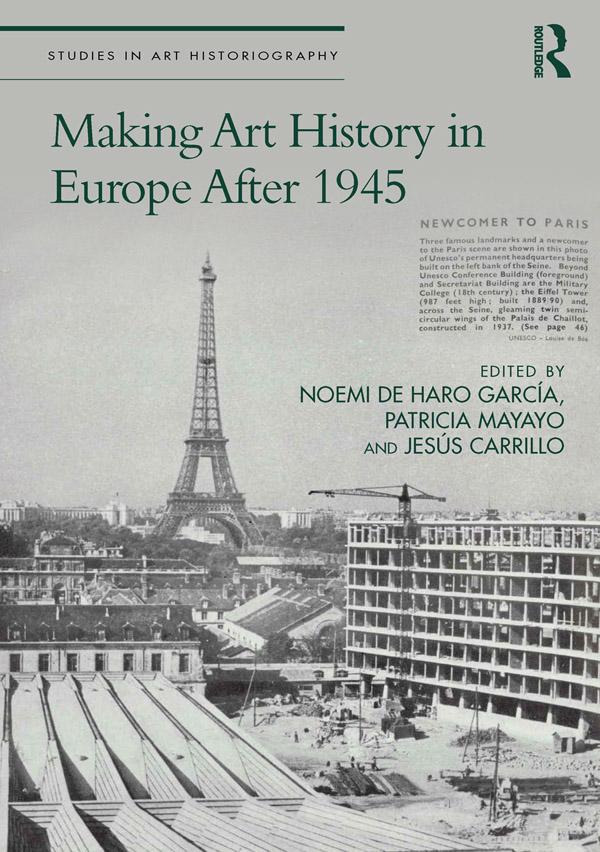
This book analyses the intermeshing of state power and art history in Europe since 1945 and up to the present from a critical, de-centered perspective.
Devoting special attention to European peripheries and to under-researched transnational cultural political initiatives related to the arts implemented after the end of the Second World War, the contributors explore the ways in which this relationship crystallised in specific moments, places, discourses and practices. They make the historic hegemonic centres of the discipline converse with Europe’s Southern and Eastern peripheries, from Portugal to Estonia to Greece.
By stressing the margins’ point of view this volume rethinks the ideological grounds on which art history and the European Union have been constructed as well as the role played by art and culture in the very concept of ‘Europe.’
Betaal eenvoudig met kaart, Klarna, Apple Pay of Google Pay. Niet tevreden? Je hebt altijd 14 dagen bedenktijd. Lees meer in onze voorwaarden. Heb je vragen, mail ons dan via hello@memmo.org.
Memmo maakt studeren makkelijker – waar je ook bent ter wereld. Wij brengen je cursusboeken en slimme studietools samen op één plek: samenvattingen, quizzen, podcasts en flashcards. En Ted, je studievriend die antwoord geeft op alles wat je je afvraagt. Meer dan 50.000 studenten studeren hier al – gebouwd om je sneller te laten leren en minder stress te geven.