
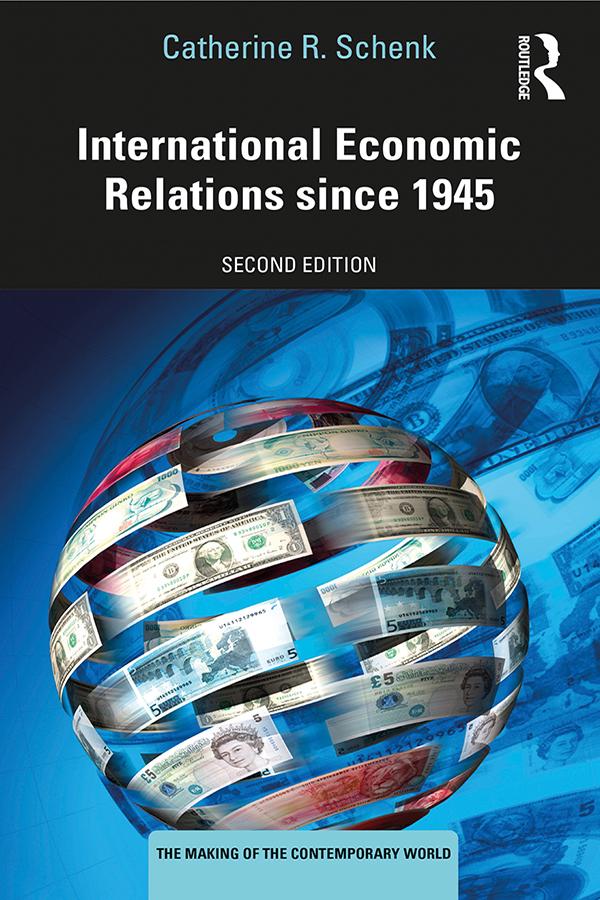
This second edition has been updated to include an assessment of economic relations up to the COVID-19 pandemic. It focuses on three main threads that tie national economies together: flows of goods, of people and of finance.
Since the end of the Second World War, the international economy transformed from a tightly controlled trading system to the financial globalization of the late 20th century. This book traces the organisation of international economic relations from the 1944 Bretton Woods conference through to the 2008 financial crisis and its aftermath. By outlining the development of economic policy of both national and international institutions like the International Monetary Fund and the European Union, this volume examines how the global system was constructed and explores the sources of inequality and instability. The changing political context is also emphasised, especially the Cold War and its end, the rise of China and other emerging market economies and the prospect of a retreat from globalisation in the wake of the 2008 crisis.
Using non-technical language and providing clear examples and evidence, the book is an accessible introduction to international economic relations that will be useful for all students of modern world history since 1945.
Betaal eenvoudig met kaart, Klarna, Apple Pay of Google Pay. Niet tevreden? Je hebt altijd 14 dagen bedenktijd. Lees meer in onze voorwaarden. Heb je vragen, mail ons dan via hello@memmo.org.
Memmo maakt studeren makkelijker – waar je ook bent ter wereld. Wij brengen je cursusboeken en slimme studietools samen op één plek: samenvattingen, quizzen, podcasts en flashcards. En Ted, je studievriend die antwoord geeft op alles wat je je afvraagt. Meer dan 50.000 studenten studeren hier al – gebouwd om je sneller te laten leren en minder stress te geven.