
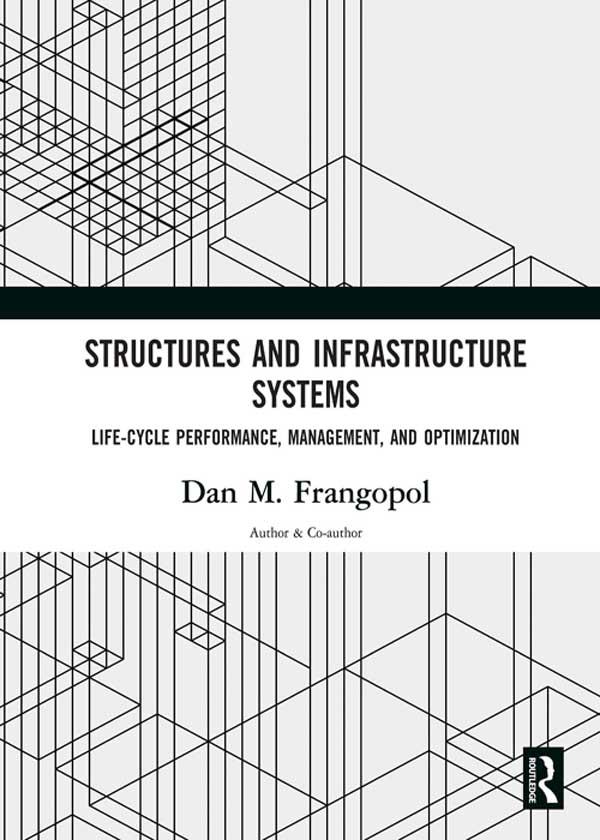
Our knowledge to model, design, analyse, maintain, manage and predict the life-cycle performance of infrastructure systems is continually growing. However, the complexity of these systems continues to increase and an integrated approach is necessary to understand the effect of technological, environmental, economic, social, and political interactions on the life-cycle performance of engineering infrastructure. In order to accomplish this, methods have to be developed to systematically analyse structure and infrastructure systems, and models have to be formulated for evaluating and comparing the risks and benefits associated with various alternatives. Civil engineers must maximize the life-cycle benefits of these systems to serve the needs of our society by selecting the best balance of the safety, economy, resilience and sustainability requirements despite imperfect information and knowledge. Within the context of this book, the necessary concepts are introduced and illustrated with applications to civil and marine structures. This book is intended for an audience of researchers and practitioners world‐wide with a background in civil and marine engineering, as well as people working in infrastructure maintenance, management, cost and optimization analysis. The chapters originally published as articles in Structure and Infrastructure Engineering.
Betaal eenvoudig met kaart, Klarna, Apple Pay of Google Pay. Niet tevreden? Je hebt altijd 14 dagen bedenktijd. Lees meer in onze voorwaarden. Heb je vragen, mail ons dan via hello@memmo.org.
Memmo maakt studeren makkelijker – waar je ook bent ter wereld. Wij brengen je cursusboeken en slimme studietools samen op één plek: samenvattingen, quizzen, podcasts en flashcards. En Ted, je studievriend die antwoord geeft op alles wat je je afvraagt. Meer dan 50.000 studenten studeren hier al – gebouwd om je sneller te laten leren en minder stress te geven.