
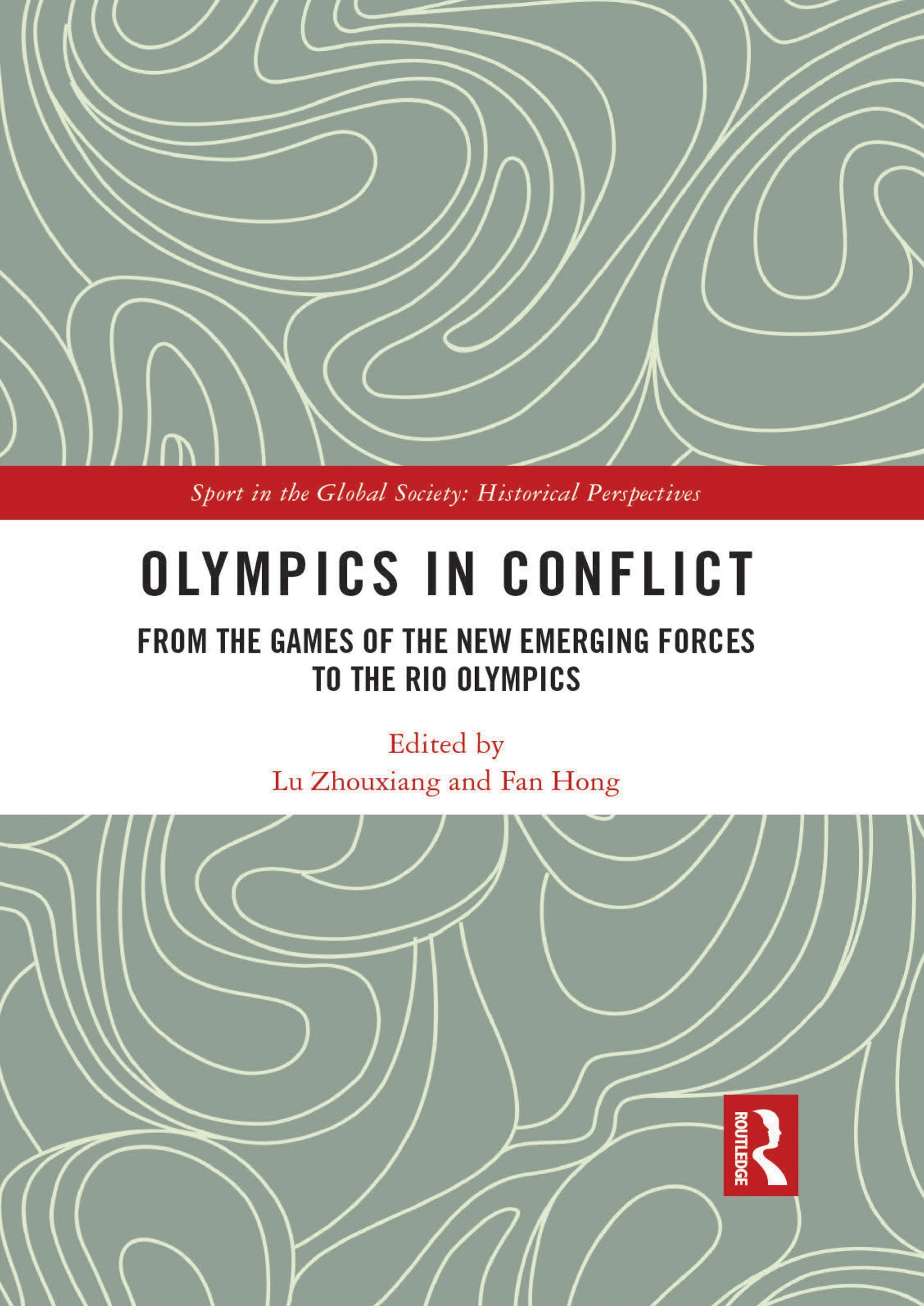
In the second half of the twentieth century, the Olympics played an important role in the politics of the Cold War and was part of the conflicts between the Capitalist Block, the Socialist Block and Third World countries. The Games of the New Emerging Forces (GANEFO) is one of the best examples of the politicization of sport and the Olympics in the Cold War era. From the 1980s onward, the Olympics has facilitated communication and cooperation between nations in the post–Cold War era and contributed to the formation of a new world order. In August 2016, the Games of the XXXI Olympiad were held in Rio de Janeiro, making Brazil the first South American country to host the Summer Olympics. This was widely regarded as a new landmark event in the history of the modern Olympic movement. From the GANEFO to Rio, the Olympic Games have witnessed the shifting balance in international politics and world economy. This book aims at understanding the transformation of the Olympics over the past decades and tries to explain how the Olympic movement played its part in world politics, the world economy and international relations against the background of the rise of developing countries. The chapters in this book were published as a special issue in The International Journal of the History of Sport.
Betaal eenvoudig met kaart, Klarna, Apple Pay of Google Pay. Niet tevreden? Je hebt altijd 14 dagen bedenktijd. Lees meer in onze voorwaarden. Heb je vragen, mail ons dan via hello@memmo.org.
Memmo maakt studeren makkelijker – waar je ook bent ter wereld. Wij brengen je cursusboeken en slimme studietools samen op één plek: samenvattingen, quizzen, podcasts en flashcards. En Ted, je studievriend die antwoord geeft op alles wat je je afvraagt. Meer dan 50.000 studenten studeren hier al – gebouwd om je sneller te laten leren en minder stress te geven.