
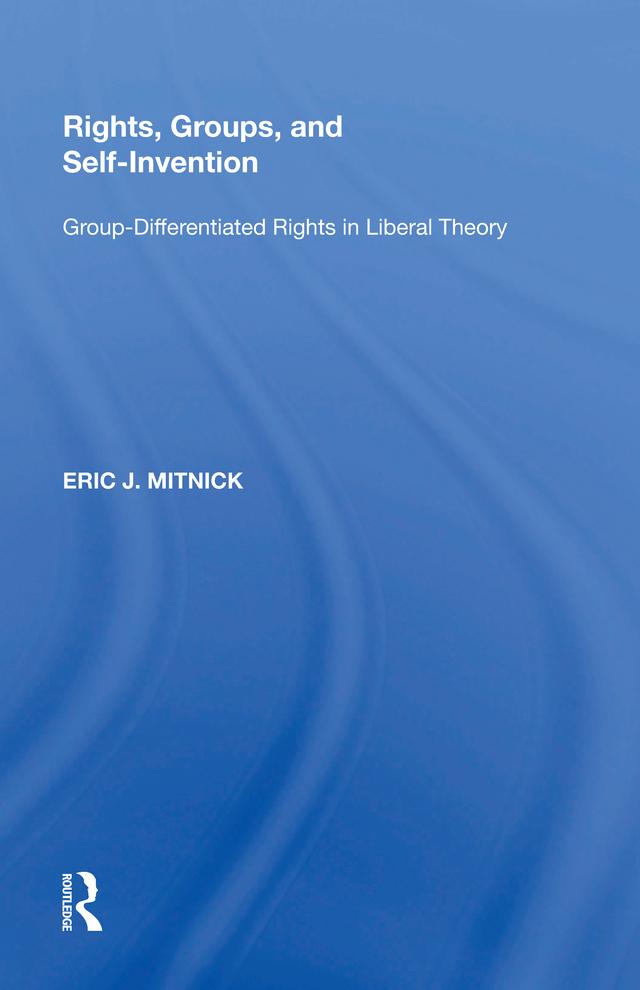
Group-differentiated rights, or rights that attach on the basis of membership in a particular social or cultural group, are an increasingly common and controversial aspect of modern pluralistic legal systems. Eric Mitnick offers the first comprehensive treatment of this important form of right. The book describes and critically assesses the group-differentiated form of 'right' from within analytical, constitutive and liberal theory. It further examines the extent to which group-differentiated rights constitute aspects of human identity, and it asks whether this should be a cause for concern from the perspective of liberal theory. The more detailed normative work advanced in the book contextually applies the constitutive understanding of rights and the principles of liberal membership to particular examples of group-differentiated citizenship. Such examples range from ascriptive statuses such as slavery and alienage, to more affirmative classifications, such as those apparent in the contexts of civil unions and affirmative action, finally to the claims of religious and other cultural groups for official recognition and accommodation of group-based beliefs and practices.
Betaal eenvoudig met kaart, Klarna, Apple Pay of Google Pay. Niet tevreden? Je hebt altijd 14 dagen bedenktijd. Lees meer in onze voorwaarden. Heb je vragen, mail ons dan via hello@memmo.org.
Memmo maakt studeren makkelijker – waar je ook bent ter wereld. Wij brengen je cursusboeken en slimme studietools samen op één plek: samenvattingen, quizzen, podcasts en flashcards. En Ted, je studievriend die antwoord geeft op alles wat je je afvraagt. Meer dan 50.000 studenten studeren hier al – gebouwd om je sneller te laten leren en minder stress te geven.
Misschien vind je dit ook leuk
Koop het boek0