
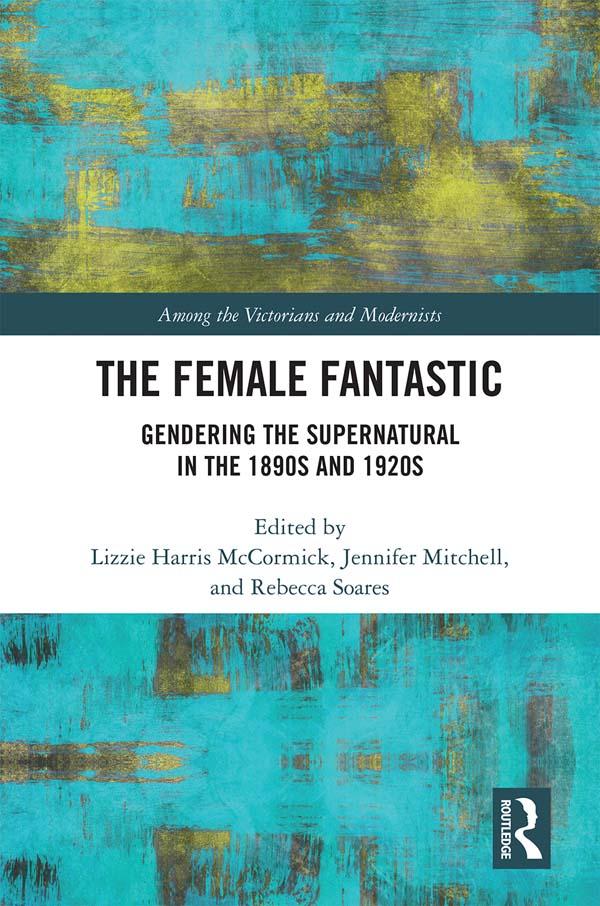
For women-identified writers of both eras, the fantastic offered double vision. Not only did the genre offer strategic cover for challenging the status quo, but also a heuristic mechanism for teasing out the gendered psyche’s links to creative, personal, and erotic agency. These dynamic presentations of female and gender-queer subjectivity, are linked in intriguing and complex matrices to key moments in gender(ed) history.
This volume contains essays from international scholars covering a wide range of topics, including werewolves, mummies, fairies, demons, time travel, ghosts, haunted spaces and objects, race, gender, queerness, monstrosity, madness, incest, empire, medicine, and science. By interrogating two non-consecutive decades, we seek to uncover the inter-relationships among fantastic literature, feminism, and modern identity and culture. Indeed, while this book considers the relationship between the 1890s and 1920s, it is more an examination of women’s modernism in light of gendered literary production during the fin-de-siècle than the reverse.
Betaal eenvoudig met kaart, Klarna, Apple Pay of Google Pay. Niet tevreden? Je hebt altijd 14 dagen bedenktijd. Lees meer in onze voorwaarden. Heb je vragen, mail ons dan via hello@memmo.org.
Memmo maakt studeren makkelijker – waar je ook bent ter wereld. Wij brengen je cursusboeken en slimme studietools samen op één plek: samenvattingen, quizzen, podcasts en flashcards. En Ted, je studievriend die antwoord geeft op alles wat je je afvraagt. Meer dan 50.000 studenten studeren hier al – gebouwd om je sneller te laten leren en minder stress te geven.