
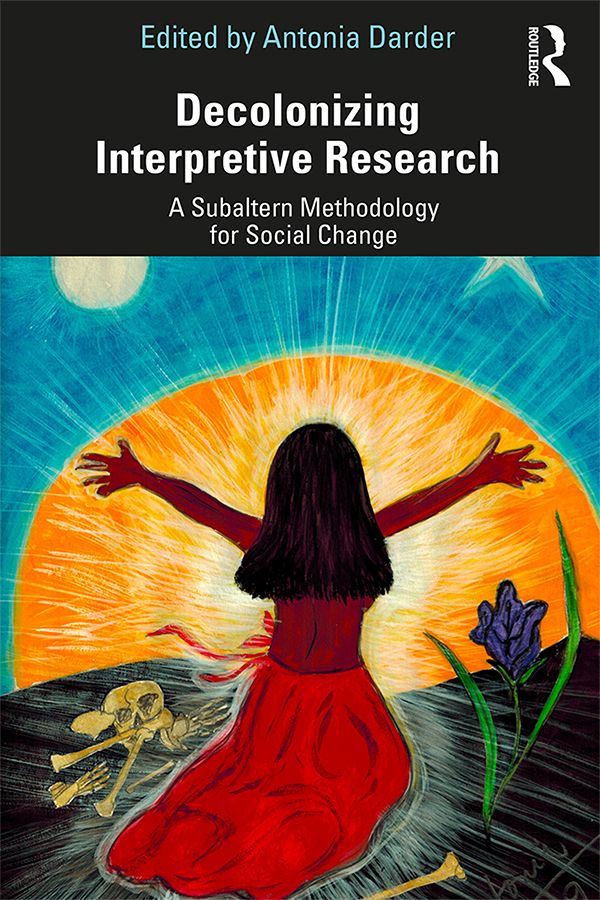
To what extent do Western political and economic interests distort perceptions and affect the Western production of research about the other? The concept of 'colonializing epistemologies' describes how knowledges outside the Western purview are often not only rendered invisible but either absorbed or destroyed.
Decolonizing Interpretive Research outlines a form of oppositional study that undertakes a critical analysis of bodies of knowledge in any field that engages with issues related to the lives and survival of those deemed as other. It focuses on creating intellectual spaces that will facilitate new readings of the world and lead toward change, both in theory and practice. The book begins by conceptualizing the various aspects of the decolonizing interpretive research approach for the reader, and the following six chapters each focus on one of these issues, grounded in a specific decolonizing interpretive study.
With a foreword by Linda Tuhiwai Smith, this book will allow readers to not only engage with the conceptual framework of this decolonizing methodology but will also give them access to examples of how the methodology has informed decolonizing interpretive studies in practice.
Betaal eenvoudig met kaart, Klarna, Apple Pay of Google Pay. Niet tevreden? Je hebt altijd 14 dagen bedenktijd. Lees meer in onze voorwaarden. Heb je vragen, mail ons dan via hello@memmo.org.
Memmo maakt studeren makkelijker – waar je ook bent ter wereld. Wij brengen je cursusboeken en slimme studietools samen op één plek: samenvattingen, quizzen, podcasts en flashcards. En Ted, je studievriend die antwoord geeft op alles wat je je afvraagt. Meer dan 50.000 studenten studeren hier al – gebouwd om je sneller te laten leren en minder stress te geven.