
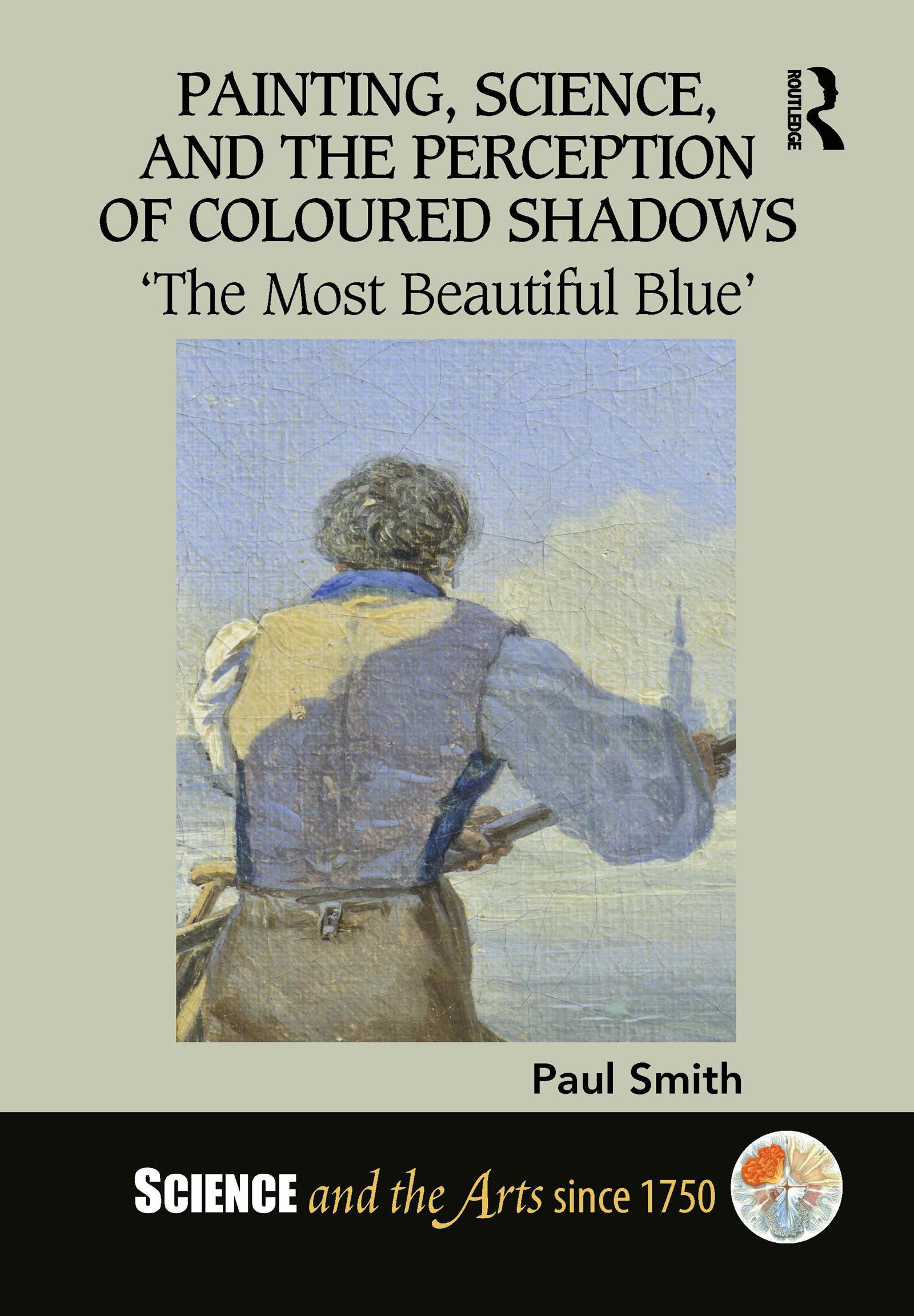
Many artists and scientists – including Buffon, Goethe, and Philipp Otto Runge – who observed the vividly coloured shadows that appear outdoors around dawn and dusk, or indoors when a candle burns under waning daylight, chose to describe their colours as ‘beautiful’.
Paul Smith explains what makes these ephemeral effects worthy of such appreciation – or how depictions of coloured shadows have genuine aesthetic and epistemological significance. This multidisciplinary book synthesises methodologies drawn from art history (close pictorial analysis), psychology and neuroscience (theories of colour constancy), history of science (the changing paradigms used to explain coloured shadows), and philosophy (theories of perception and aesthetic value drawn from Wittgenstein and Merleau-Ponty).
This title will be of interest to scholars in art history, art theory, and the history of science and technology.
Betaal eenvoudig met kaart, Klarna, Apple Pay of Google Pay. Niet tevreden? Je hebt altijd 14 dagen bedenktijd. Lees meer in onze voorwaarden. Heb je vragen, mail ons dan via hello@memmo.org.
Memmo maakt studeren makkelijker – waar je ook bent ter wereld. Wij brengen je cursusboeken en slimme studietools samen op één plek: samenvattingen, quizzen, podcasts en flashcards. En Ted, je studievriend die antwoord geeft op alles wat je je afvraagt. Meer dan 50.000 studenten studeren hier al – gebouwd om je sneller te laten leren en minder stress te geven.