
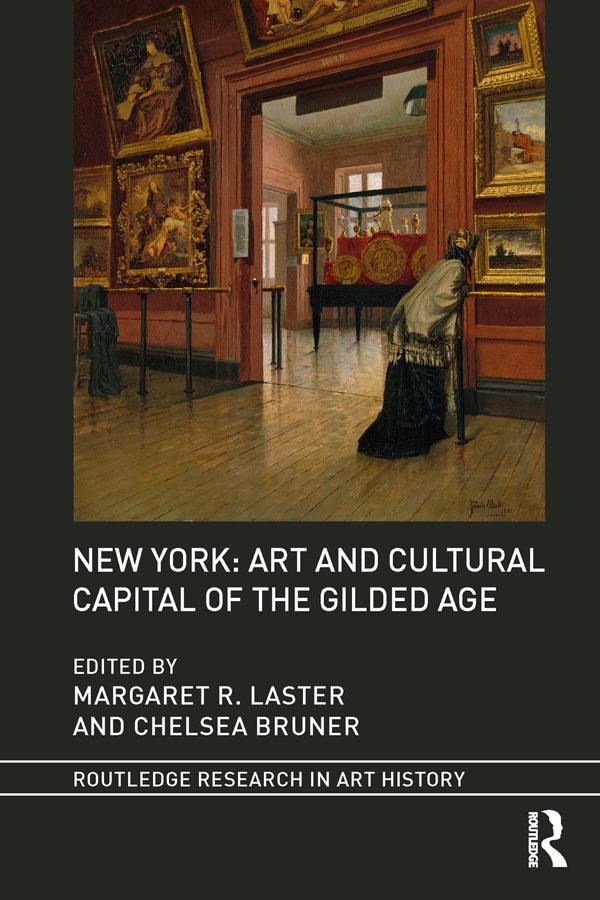
Fueled by a flourishing capitalist economy, undergirded by advancements in architectural design and urban infrastructure, and patronized by growing bourgeois and elite classes, New York’s built environment was dramatically transformed in the 1870s and 1880s. This book argues that this constituted the formative period of New York’s modernization and cosmopolitanism—the product of a vital self-consciousness and a deliberate intent on the part of its elite citizenry to create a world-class cultural metropolis reflecting the city’s economic and political preeminence. The interdisciplinary essays in this book examine New York’s late nineteenth-century evolution not simply as a question of its physical layout but also in terms of its radically new social composition, comprising the individuals, institutions, and organizations that played determining roles in the city’s cultural ascendancy.
Betaal eenvoudig met kaart, Klarna, Apple Pay of Google Pay. Niet tevreden? Je hebt altijd 14 dagen bedenktijd. Lees meer in onze voorwaarden. Heb je vragen, mail ons dan via hello@memmo.org.
Memmo maakt studeren makkelijker – waar je ook bent ter wereld. Wij brengen je cursusboeken en slimme studietools samen op één plek: samenvattingen, quizzen, podcasts en flashcards. En Ted, je studievriend die antwoord geeft op alles wat je je afvraagt. Meer dan 50.000 studenten studeren hier al – gebouwd om je sneller te laten leren en minder stress te geven.