
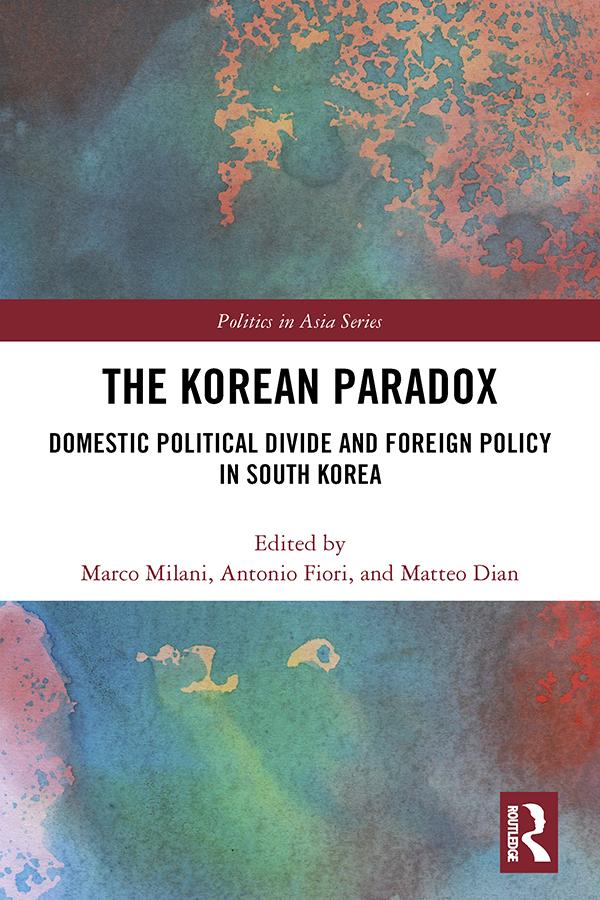
Bringing together an international line up of contributors, this book examines South Korea’s foreign policy strategies designed to cope with the challenges of the post-Cold War regional order and the emergence of a "Korean paradox".
Focusing on non-material factors in shaping the decision-making processes of primary actors, such as traditions, beliefs, and identities, this book begins by analysing the emergence of the "Asian Paradox" and explores how different political traditions have influenced South Korea’s foreign and security policies. In the second part (from Chapter 4), this book goes on to deal directly with the key issues in South Korea’s foreign policy today, with an emphasis on the progressive and conservative approaches to the challenges the country faces. This includes the North Korean threat, the alliance with the U.S., relations with China and Russia, the complicated relationship with Japan, and the emerging role of South Korea outside of Northeast Asia.
An innovative study of the domestic sources of South Korean foreign policy, The Korean Paradox investigates South Korea’s growing role at both regional and global levels. As such, it will be useful to students and scholars of Korean Studies, International Relations and East Asian Studies more generally.
Betaal eenvoudig met kaart, Klarna, Apple Pay of Google Pay. Niet tevreden? Je hebt altijd 14 dagen bedenktijd. Lees meer in onze voorwaarden. Heb je vragen, mail ons dan via hello@memmo.org.
Memmo maakt studeren makkelijker – waar je ook bent ter wereld. Wij brengen je cursusboeken en slimme studietools samen op één plek: samenvattingen, quizzen, podcasts en flashcards. En Ted, je studievriend die antwoord geeft op alles wat je je afvraagt. Meer dan 50.000 studenten studeren hier al – gebouwd om je sneller te laten leren en minder stress te geven.