
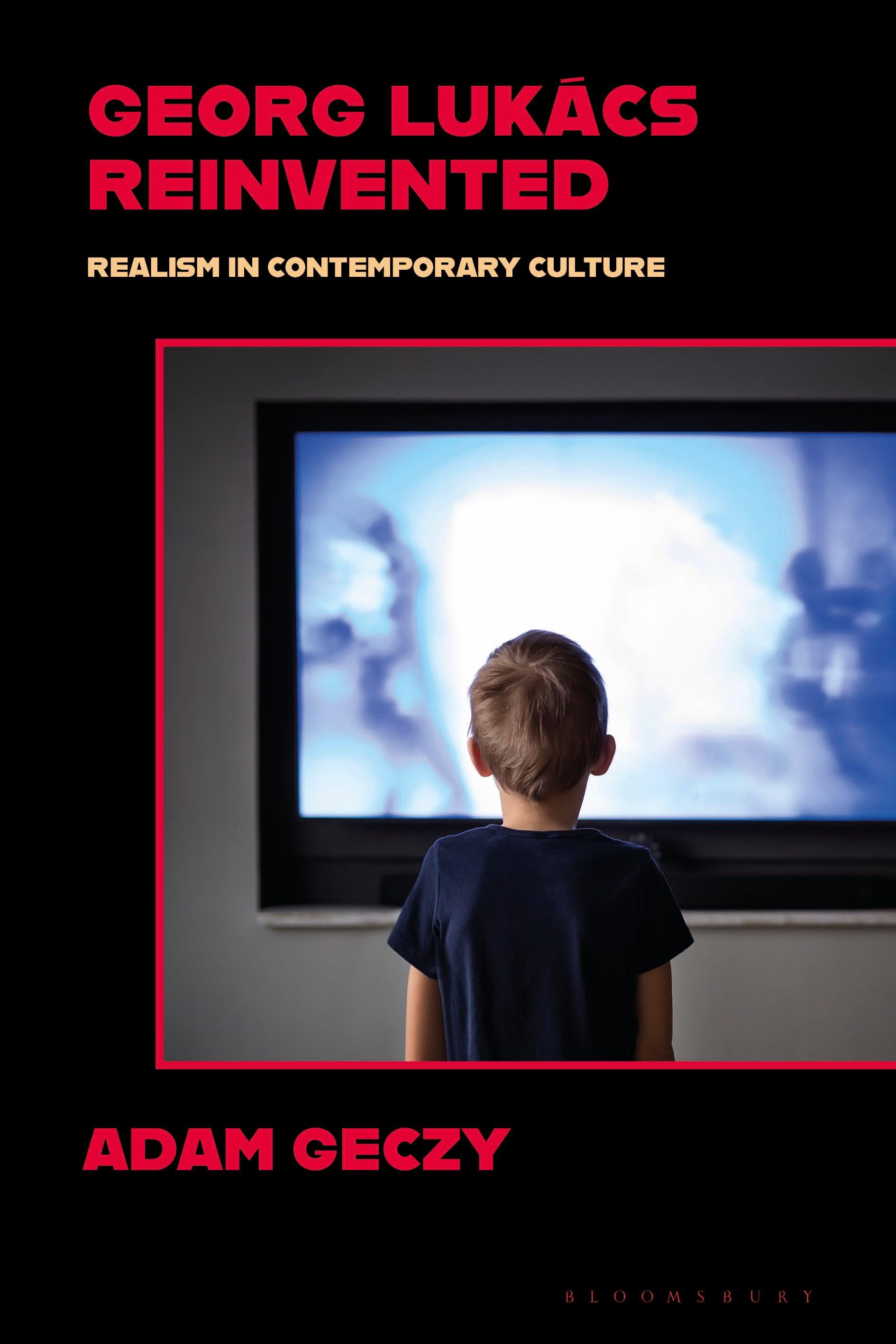
The first study to make use of Lukàcs's theory of realism to understand contemporary cultural phenomena more broadly and in the fields of art and television in particular.
Adam Geczy focuses on contemporary cultural trends and problems to demonstrate the continuing relevance of Georg Lukács' philosophy. The Marxist critic Lukács wrote in defence of realism in art, and especially in literature. Geczy shows why there is a growing need to return to realism in both theory and practice, given the predominance of cultural practices that rely on representative and narrative devices, ones that speak directly to the conditions of the present.
Geczy applies Lukács' philosophical aesthetics to examples in contemporary film, television and graphic literature. We see that realism for Lukács has a profoundly ethical caste. From it emerge issues such as the moral duty of the author, the aptness of the work of art, and its capacity to bring knowledge and insight to the life-world in which it is read or received. Approached from this aesthetic standpoint, Geczy presents the many cultural wars waged in the new millennium as between what is real and authentic as opposed to the mendacious and abstruse.
In rethinking realism with Lukács, Geczy brings earlier theories up to date and provides a compelling new way of looking at how and why we engage in today's cultural practices.
Adam Geczy focuses on contemporary cultural trends and problems to demonstrate the continuing relevance of Georg Lukács' philosophy. The Marxist critic Lukács wrote in defence of realism in art, and especially in literature. Geczy shows why there is a growing need to return to realism in both theory and practice, given the predominance of cultural practices that rely on representative and narrative devices, ones that speak directly to the conditions of the present.
Geczy applies Lukács' philosophical aesthetics to examples in contemporary film, television and graphic literature. We see that realism for Lukács has a profoundly ethical caste. From it emerge issues such as the moral duty of the author, the aptness of the work of art, and its capacity to bring knowledge and insight to the life-world in which it is read or received. Approached from this aesthetic standpoint, Geczy presents the many cultural wars waged in the new millennium as between what is real and authentic as opposed to the mendacious and abstruse.
In rethinking realism with Lukács, Geczy brings earlier theories up to date and provides a compelling new way of looking at how and why we engage in today's cultural practices.
Pagina's: 232
Categorie: Film- & Medievetenskap
e-ISBN: 9781350599543
Verzendgewicht: 1.2 kg
Verzending binnen: 1-2 dagen
Betaal eenvoudig met kaart, Klarna, Apple Pay of Google Pay. Niet tevreden? Je hebt altijd 14 dagen bedenktijd. Lees meer in onze voorwaarden. Heb je vragen, mail ons dan via hello@memmo.org.
Memmo maakt studeren makkelijker – waar je ook bent ter wereld. Wij brengen je cursusboeken en slimme studietools samen op één plek: samenvattingen, quizzen, podcasts en flashcards. En Ted, je studievriend die antwoord geeft op alles wat je je afvraagt. Meer dan 50.000 studenten studeren hier al – gebouwd om je sneller te laten leren en minder stress te geven.