
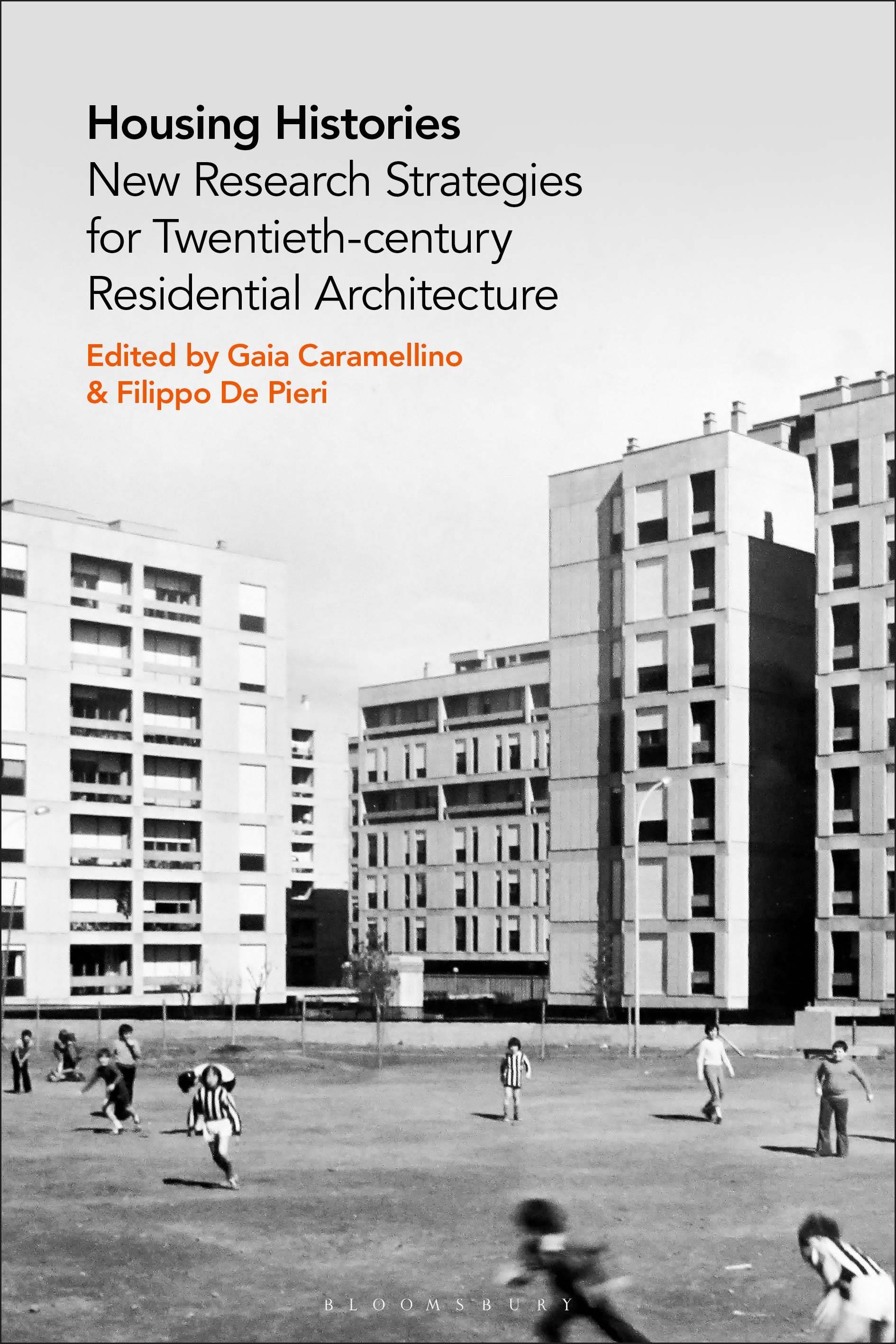
Housing Histories explores how the study of 20th-century housing has posed specific problems for architectural historians, and how it has – as a result – yielded radically innovative approaches and methodologies of significance for the wider field of architectural history.
Global research in architectural history is currently witnessing a tension between 'conservative' approaches rooted in traditional procedures (the study of archival sources, the close material observation of buildings) and 'critical' approaches that push for a radical change in narratives and attitudes.
This book presents a collection of new research practices which explore unusual or hybrid methodologies. Fifteen leading architectural historians from different academic and cultural contexts present their own approaches to the historical study of modern dwelling landscapes, testing a variety of questions, methods and instruments, showing how these can be used within the context of a specific case study, and showing how the methodological choices made in the reconstruction of the history of places can effectively challenge shared public narratives about the spatial and social geography of cities.
The four parts of the book relate to specific areas of methodological innovation: the study of ordinary actors and processes by means of non-standard sources; the use of micro-historical and anthropological fieldwork; the use of exhibitions and public history initiatives as research tools; and a re-appraisal of the role played by urban and national histories within multi-scalar research agendas. The stories presented in the case-studies offer a nuanced and stereotype-free representation of 20th-century housing environments, altogether revealing the history of modern housing as a rich testing ground for experimenting with practices and methodologies of historical inquiry.
Global research in architectural history is currently witnessing a tension between 'conservative' approaches rooted in traditional procedures (the study of archival sources, the close material observation of buildings) and 'critical' approaches that push for a radical change in narratives and attitudes.
This book presents a collection of new research practices which explore unusual or hybrid methodologies. Fifteen leading architectural historians from different academic and cultural contexts present their own approaches to the historical study of modern dwelling landscapes, testing a variety of questions, methods and instruments, showing how these can be used within the context of a specific case study, and showing how the methodological choices made in the reconstruction of the history of places can effectively challenge shared public narratives about the spatial and social geography of cities.
The four parts of the book relate to specific areas of methodological innovation: the study of ordinary actors and processes by means of non-standard sources; the use of micro-historical and anthropological fieldwork; the use of exhibitions and public history initiatives as research tools; and a re-appraisal of the role played by urban and national histories within multi-scalar research agendas. The stories presented in the case-studies offer a nuanced and stereotype-free representation of 20th-century housing environments, altogether revealing the history of modern housing as a rich testing ground for experimenting with practices and methodologies of historical inquiry.
Pagina's: 256
Categorie: Arkitektur & Stadsplanering
e-ISBN: 9781350532397
Verzendgewicht: 1.2 kg
Verzending binnen: 1-2 dagen
Betaal eenvoudig met kaart, Klarna, Apple Pay of Google Pay. Niet tevreden? Je hebt altijd 14 dagen bedenktijd. Lees meer in onze voorwaarden. Heb je vragen, mail ons dan via hello@memmo.org.
Memmo maakt studeren makkelijker – waar je ook bent ter wereld. Wij brengen je cursusboeken en slimme studietools samen op één plek: samenvattingen, quizzen, podcasts en flashcards. En Ted, je studievriend die antwoord geeft op alles wat je je afvraagt. Meer dan 50.000 studenten studeren hier al – gebouwd om je sneller te laten leren en minder stress te geven.