
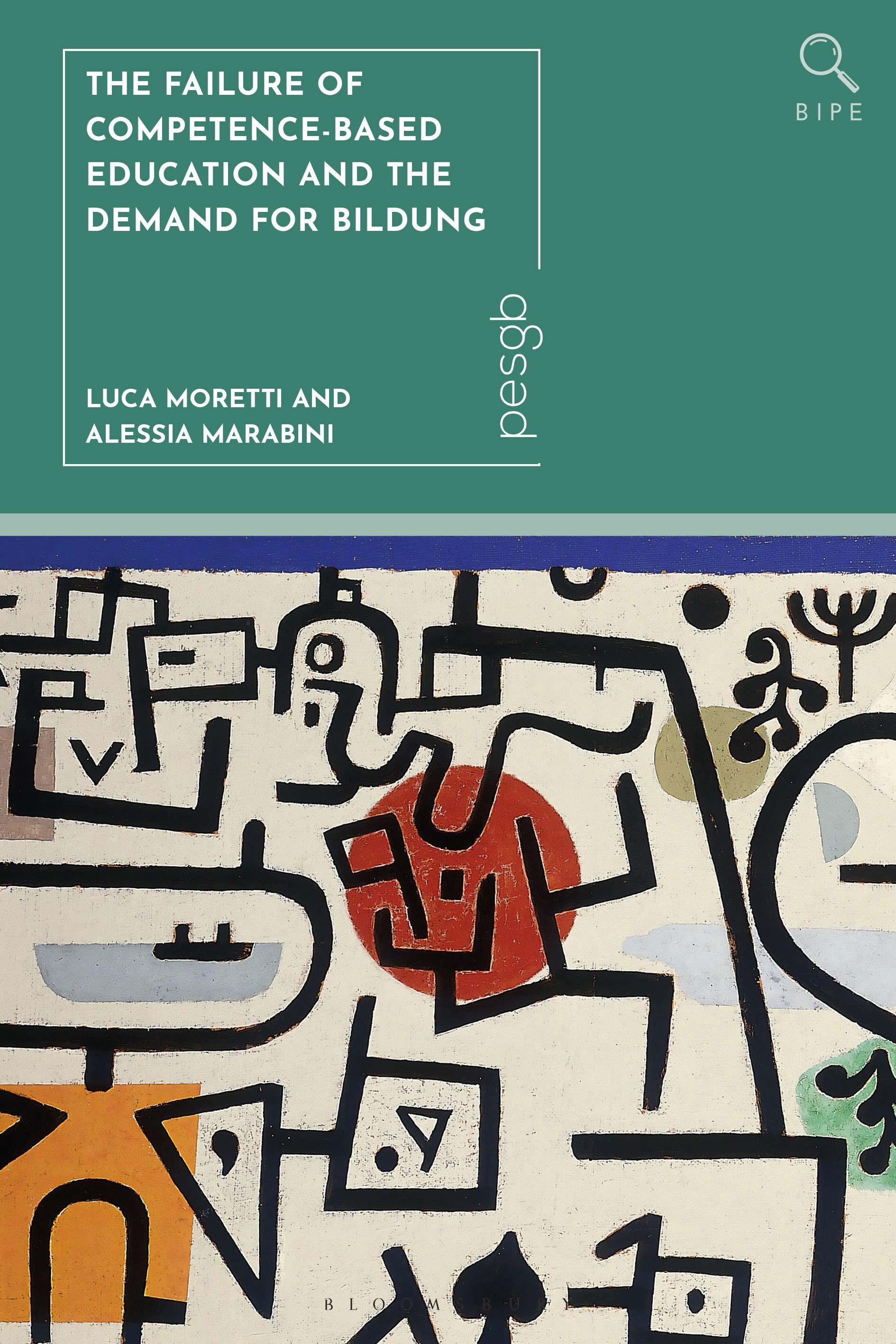
This book contrasts two prominent models of education, Competence-Based Education (CBE) which is the dominant model in most school systems of the world, and Bildung-Oriented Education (BOE), once the basis of school systems of Northern Europe.
CBE interprets learning as the acquisition of clearly definable and allegedly measurable competences, and it is supported by supranational organisations, such as the OECD. BOE characterises learning holistically, aimed at the progressive articulation of a meaningful 'big picture' in the student's mind. Moretti and Marabini argue that, in spite of its celebrated 'scientificity', CBE is incoherent and unreliable, and contributes to structural forms of oppression and injustice, fosters social pathologies, and fails to provide students with the kind of intellectual autonomy they need in our complex post-industrial societies. They defend BOE from objections made by critical theorists, poststructuralists and postcolonial thinkers, and argue that it is a coherent and flexible model of education that endows students with autonomy and responsibility, and can help heal social pathologies. The book builds analytical bridges and explores connections between philosophy of education and important issues currently debated in critical theory, political philosophy and social epistemology.
CBE interprets learning as the acquisition of clearly definable and allegedly measurable competences, and it is supported by supranational organisations, such as the OECD. BOE characterises learning holistically, aimed at the progressive articulation of a meaningful 'big picture' in the student's mind. Moretti and Marabini argue that, in spite of its celebrated 'scientificity', CBE is incoherent and unreliable, and contributes to structural forms of oppression and injustice, fosters social pathologies, and fails to provide students with the kind of intellectual autonomy they need in our complex post-industrial societies. They defend BOE from objections made by critical theorists, poststructuralists and postcolonial thinkers, and argue that it is a coherent and flexible model of education that endows students with autonomy and responsibility, and can help heal social pathologies. The book builds analytical bridges and explores connections between philosophy of education and important issues currently debated in critical theory, political philosophy and social epistemology.
Pagina's: 304
Categorie: Utbildning & lärande
e-ISBN: 9781350518001
Verzendgewicht: 1.2 kg
Verzending binnen: 1-2 dagen
Betaal eenvoudig met kaart, Klarna, Apple Pay of Google Pay. Niet tevreden? Je hebt altijd 14 dagen bedenktijd. Lees meer in onze voorwaarden. Heb je vragen, mail ons dan via hello@memmo.org.
Memmo maakt studeren makkelijker – waar je ook bent ter wereld. Wij brengen je cursusboeken en slimme studietools samen op één plek: samenvattingen, quizzen, podcasts en flashcards. En Ted, je studievriend die antwoord geeft op alles wat je je afvraagt. Meer dan 50.000 studenten studeren hier al – gebouwd om je sneller te laten leren en minder stress te geven.