
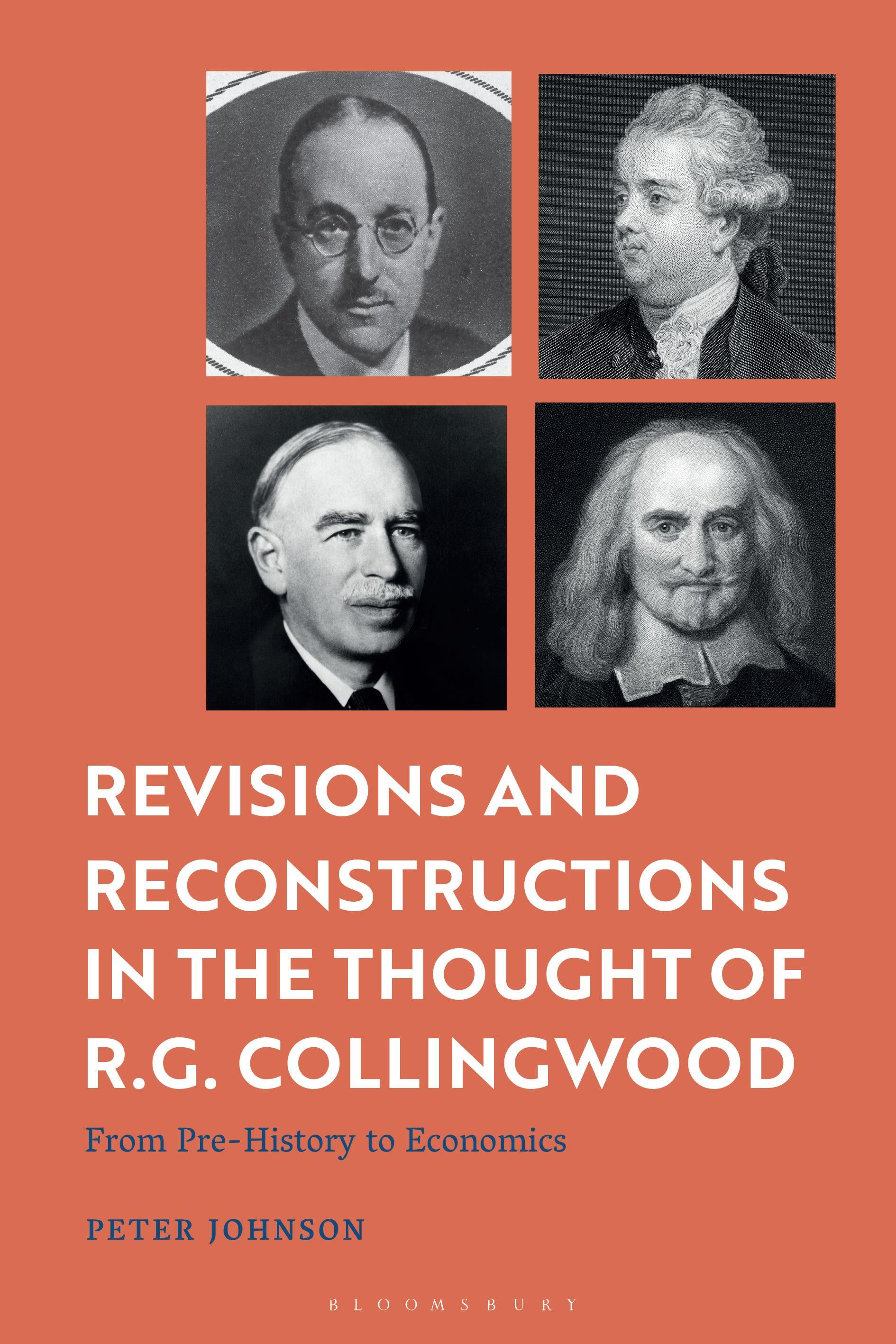
Opening new ground in neglected aspects of R.G. Collingwood's philosophy, Peter Johnson presents essays on Collingwood as a pre-historian, economist, Christian and commentator of Edward Gibbon together with an investigation into the connection between his later works.
The chapters shed light on Collingwood's distinctive account of pre-history, the relationship between his last great works The Principles of History and The New Leviathan, and his views on money in comparison to those of J.M. Keynes. They also consider his assessment of Edward Gibbon as a historian and his use of biblical citation in relation to the work of Thomas Hobbes. Johnson's insightful reflections and in-depth analysis of a range of areas in Collingwood's thinking connect them through historical and conceptual themes relevant to contemporary debates about his philosophy.
Uniting important and unique perspectives for understanding the scope and depth of Collingwood's philosophy, Johnson's detailed examination of previously underexplored topics will be welcomed by students and scholars across philosophy of history, pre-history, economic theory, intellectual history and philosophical hermeneutics.
The chapters shed light on Collingwood's distinctive account of pre-history, the relationship between his last great works The Principles of History and The New Leviathan, and his views on money in comparison to those of J.M. Keynes. They also consider his assessment of Edward Gibbon as a historian and his use of biblical citation in relation to the work of Thomas Hobbes. Johnson's insightful reflections and in-depth analysis of a range of areas in Collingwood's thinking connect them through historical and conceptual themes relevant to contemporary debates about his philosophy.
Uniting important and unique perspectives for understanding the scope and depth of Collingwood's philosophy, Johnson's detailed examination of previously underexplored topics will be welcomed by students and scholars across philosophy of history, pre-history, economic theory, intellectual history and philosophical hermeneutics.
Betaal eenvoudig met kaart, Klarna, Apple Pay of Google Pay. Niet tevreden? Je hebt altijd 14 dagen bedenktijd. Lees meer in onze voorwaarden. Heb je vragen, mail ons dan via hello@memmo.org.
Memmo maakt studeren makkelijker – waar je ook bent ter wereld. Wij brengen je cursusboeken en slimme studietools samen op één plek: samenvattingen, quizzen, podcasts en flashcards. En Ted, je studievriend die antwoord geeft op alles wat je je afvraagt. Meer dan 50.000 studenten studeren hier al – gebouwd om je sneller te laten leren en minder stress te geven.