
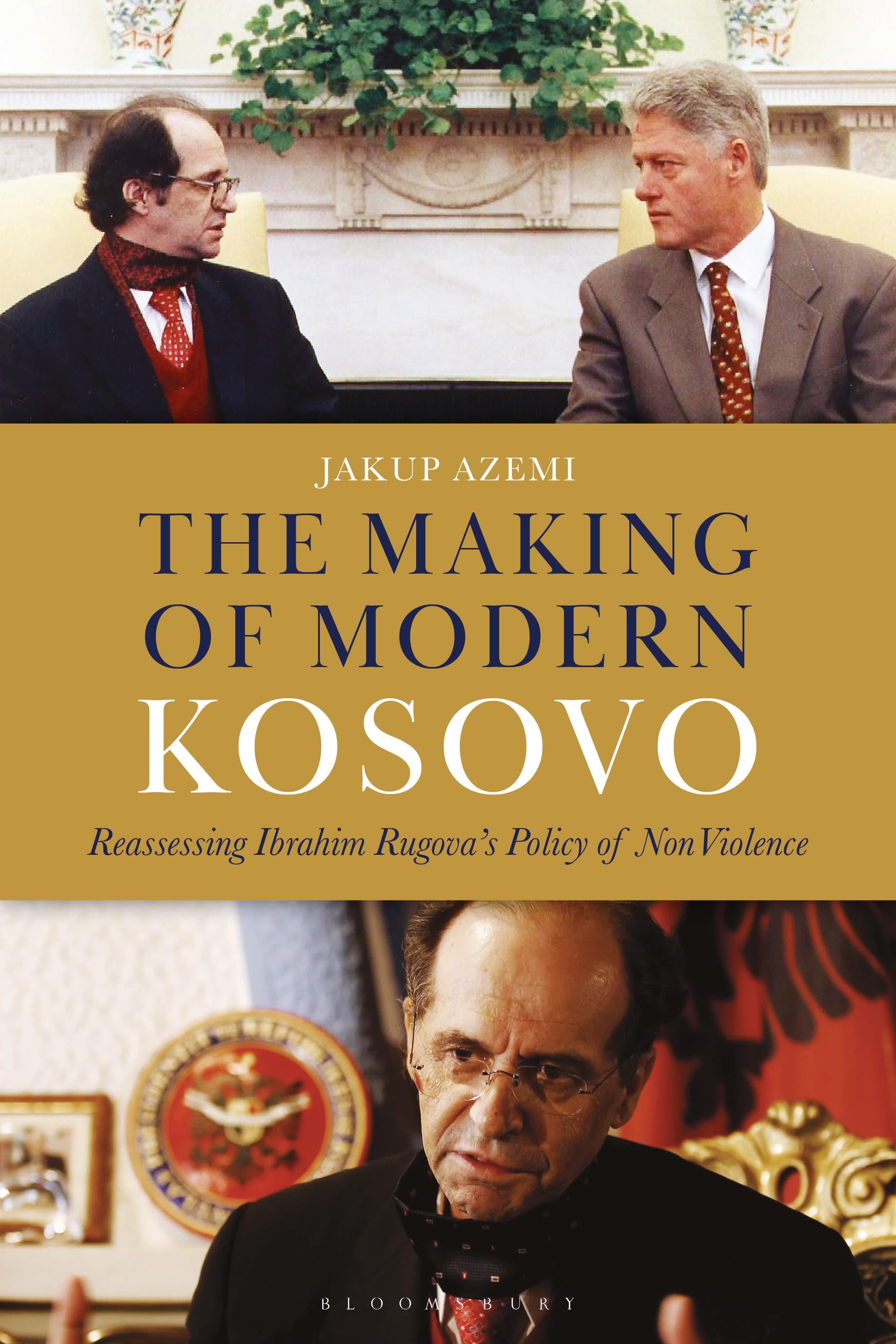
This book traces the origins and success of Ibrahim Rugova's policy of nonviolence in Kosovo between 1989–1999 and how it laid the framework for the creation of Kosovo's cultural and political identity as an independent state.
Ibrahim Rugova has long been neglected in understanding how Kosovo became an independent state, with most observers concentrating on the Kosovo Liberation Army and the armed conflict of 1999 in which NATO was involved. Jakup Azemi seeks to remedy this, arguing that despite the events of 1998/99, local actors and their political organisation mattered much more than is widely recognised. Rugova's movement represented a novelty not only for the Albanians but for the whole Balkan region. He developed a vision that integrated Albanians' cultural and historical experiences into the non-violent movement and presented the Kosovan conflict to the world with a different political and cultural lens.
This is a key text for scholars interested in the history of the Kosovar liberation movement, the dissolution of the former Yugoslavia; and those looking at current issues in the Western Balkans, and the Albanian-Kosovar relationship.
Ibrahim Rugova has long been neglected in understanding how Kosovo became an independent state, with most observers concentrating on the Kosovo Liberation Army and the armed conflict of 1999 in which NATO was involved. Jakup Azemi seeks to remedy this, arguing that despite the events of 1998/99, local actors and their political organisation mattered much more than is widely recognised. Rugova's movement represented a novelty not only for the Albanians but for the whole Balkan region. He developed a vision that integrated Albanians' cultural and historical experiences into the non-violent movement and presented the Kosovan conflict to the world with a different political and cultural lens.
This is a key text for scholars interested in the history of the Kosovar liberation movement, the dissolution of the former Yugoslavia; and those looking at current issues in the Western Balkans, and the Albanian-Kosovar relationship.
Betaal eenvoudig met kaart, Klarna, Apple Pay of Google Pay. Niet tevreden? Je hebt altijd 14 dagen bedenktijd. Lees meer in onze voorwaarden. Heb je vragen, mail ons dan via hello@memmo.org.
Memmo maakt studeren makkelijker – waar je ook bent ter wereld. Wij brengen je cursusboeken en slimme studietools samen op één plek: samenvattingen, quizzen, podcasts en flashcards. En Ted, je studievriend die antwoord geeft op alles wat je je afvraagt. Meer dan 50.000 studenten studeren hier al – gebouwd om je sneller te laten leren en minder stress te geven.