
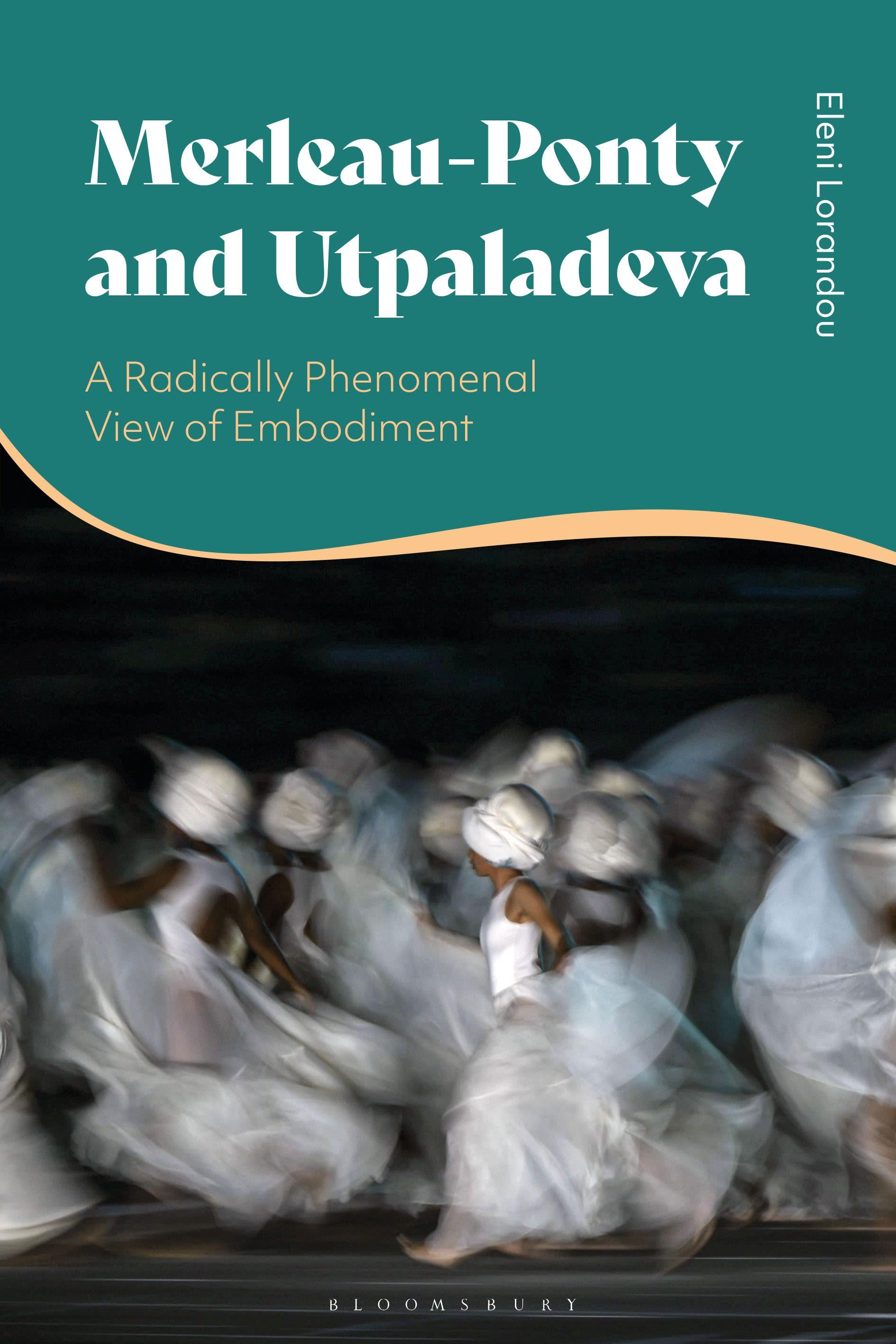
Bridging the gap between two distinct philosophical traditions, Eleni Lorandou finds consonance in the philosophies of Merleau-Ponty and Utpaladeva to articulate a radically phenomenal view of embodiment. In an argument for the transcendence of limiting dualisms in thinking, she explores how western postmodernism and Indian classical thought can speak to one another across centuries, complementing each other in a new and constructive philosophy.
By bringing the phenomenology of Merleau-Ponty and the Recognition School of Utpaladeva into dialogue Lorandou uncovers intriguing insights into the constitution and possibilities of human experience. She delves into the intricacies of how we perceive the world around us and considers how our embodied existence shapes our understanding and experience. Questioning the notion that our perception directly corresponds to an objective reality and focusing on the topics of 'other minds', Lorandou draws soteriological conclusions.
Examining the relevance of Merleau-Ponty's phenomenological reduction and Utpaladeva's self-recognition, this illuminating study turns our attention to the topics of perception, embodiment, realism, intersubjectivity, and, ultimately, the transformative implications of philosophical inquiry.
By bringing the phenomenology of Merleau-Ponty and the Recognition School of Utpaladeva into dialogue Lorandou uncovers intriguing insights into the constitution and possibilities of human experience. She delves into the intricacies of how we perceive the world around us and considers how our embodied existence shapes our understanding and experience. Questioning the notion that our perception directly corresponds to an objective reality and focusing on the topics of 'other minds', Lorandou draws soteriological conclusions.
Examining the relevance of Merleau-Ponty's phenomenological reduction and Utpaladeva's self-recognition, this illuminating study turns our attention to the topics of perception, embodiment, realism, intersubjectivity, and, ultimately, the transformative implications of philosophical inquiry.
Betaal eenvoudig met kaart, Klarna, Apple Pay of Google Pay. Niet tevreden? Je hebt altijd 14 dagen bedenktijd. Lees meer in onze voorwaarden. Heb je vragen, mail ons dan via hello@memmo.org.
Memmo maakt studeren makkelijker – waar je ook bent ter wereld. Wij brengen je cursusboeken en slimme studietools samen op één plek: samenvattingen, quizzen, podcasts en flashcards. En Ted, je studievriend die antwoord geeft op alles wat je je afvraagt. Meer dan 50.000 studenten studeren hier al – gebouwd om je sneller te laten leren en minder stress te geven.