
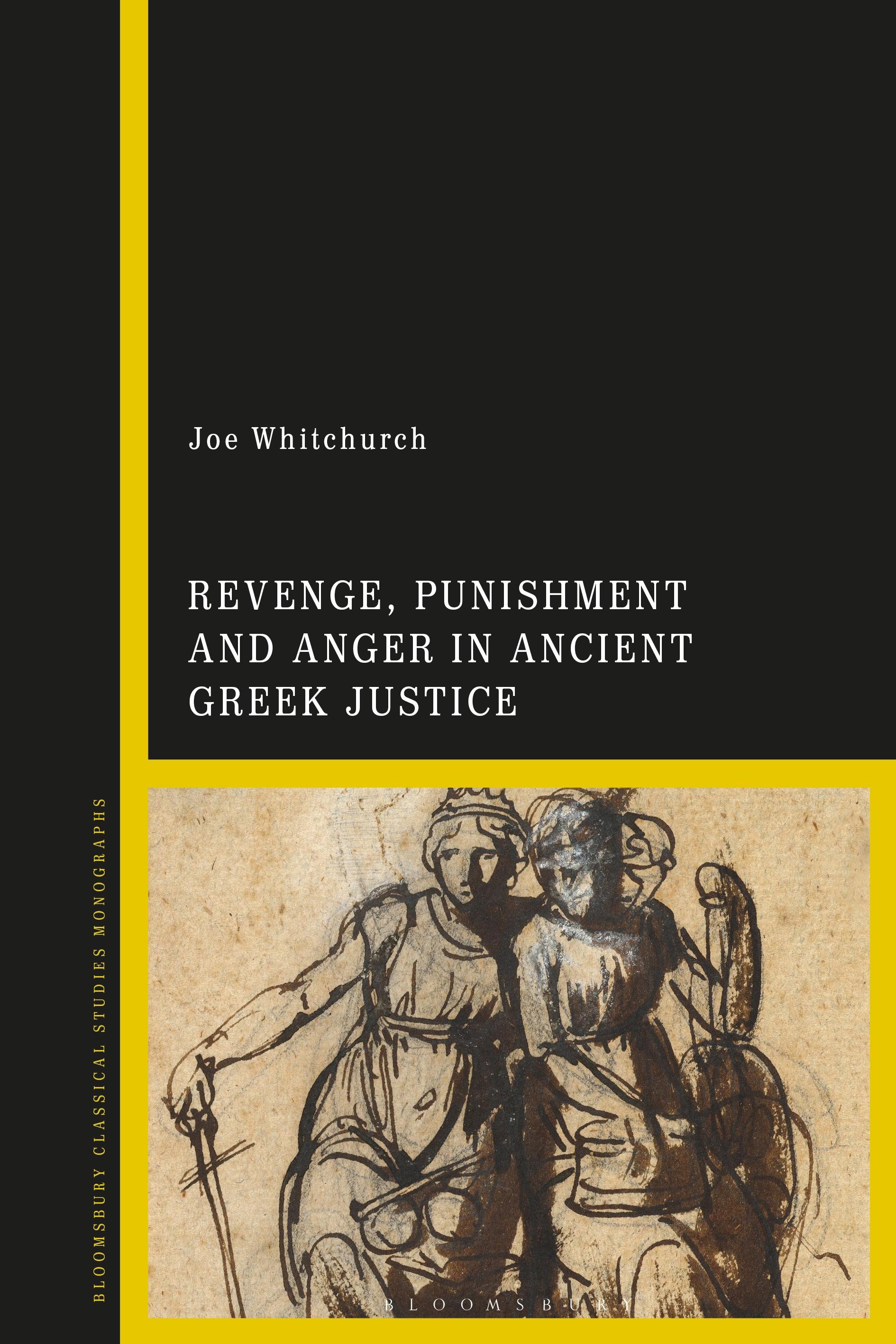
Anger was the engine of justice in the ancient Greek world. It drove quests for vengeance which resulted in a variety of consequences, often harmful not only for the relevant actors but also for the wider communities in which they lived.
From as early as the seventh century BCE, Greek communities had developed more or less formal means of imposing restrictions on this behaviour in the form of courts. However, this did not necessarily mean a less angry or vengeful society so much as one where anger and revenge were subject to public sanction and sometimes put to public use.
By the fifth and fourth centuries, the Athenian polis had developed a considerably more sophisticated system for the administration of justice, encompassing a variety of laws, courts, and procedures. In essence, the justice it meted out was built on the same emotional foundations as that seen in Homer. Jurors gave licence to or restrained the anger of plaintiffs in private cases, and they punished according to the anger they themselves felt in public ones. The growing state in ancient Greek poleis did not bring about a transition away from angry private revenge to emotionless public punishment. Rather, anger came increasingly to move into the public sphere, the emotional driver of an early state that defended its community, and even itself, through its vengeful acts of punishment.
From as early as the seventh century BCE, Greek communities had developed more or less formal means of imposing restrictions on this behaviour in the form of courts. However, this did not necessarily mean a less angry or vengeful society so much as one where anger and revenge were subject to public sanction and sometimes put to public use.
By the fifth and fourth centuries, the Athenian polis had developed a considerably more sophisticated system for the administration of justice, encompassing a variety of laws, courts, and procedures. In essence, the justice it meted out was built on the same emotional foundations as that seen in Homer. Jurors gave licence to or restrained the anger of plaintiffs in private cases, and they punished according to the anger they themselves felt in public ones. The growing state in ancient Greek poleis did not bring about a transition away from angry private revenge to emotionless public punishment. Rather, anger came increasingly to move into the public sphere, the emotional driver of an early state that defended its community, and even itself, through its vengeful acts of punishment.
Betaal eenvoudig met kaart, Klarna, Apple Pay of Google Pay. Niet tevreden? Je hebt altijd 14 dagen bedenktijd. Lees meer in onze voorwaarden. Heb je vragen, mail ons dan via hello@memmo.org.
Memmo maakt studeren makkelijker – waar je ook bent ter wereld. Wij brengen je cursusboeken en slimme studietools samen op één plek: samenvattingen, quizzen, podcasts en flashcards. En Ted, je studievriend die antwoord geeft op alles wat je je afvraagt. Meer dan 50.000 studenten studeren hier al – gebouwd om je sneller te laten leren en minder stress te geven.