
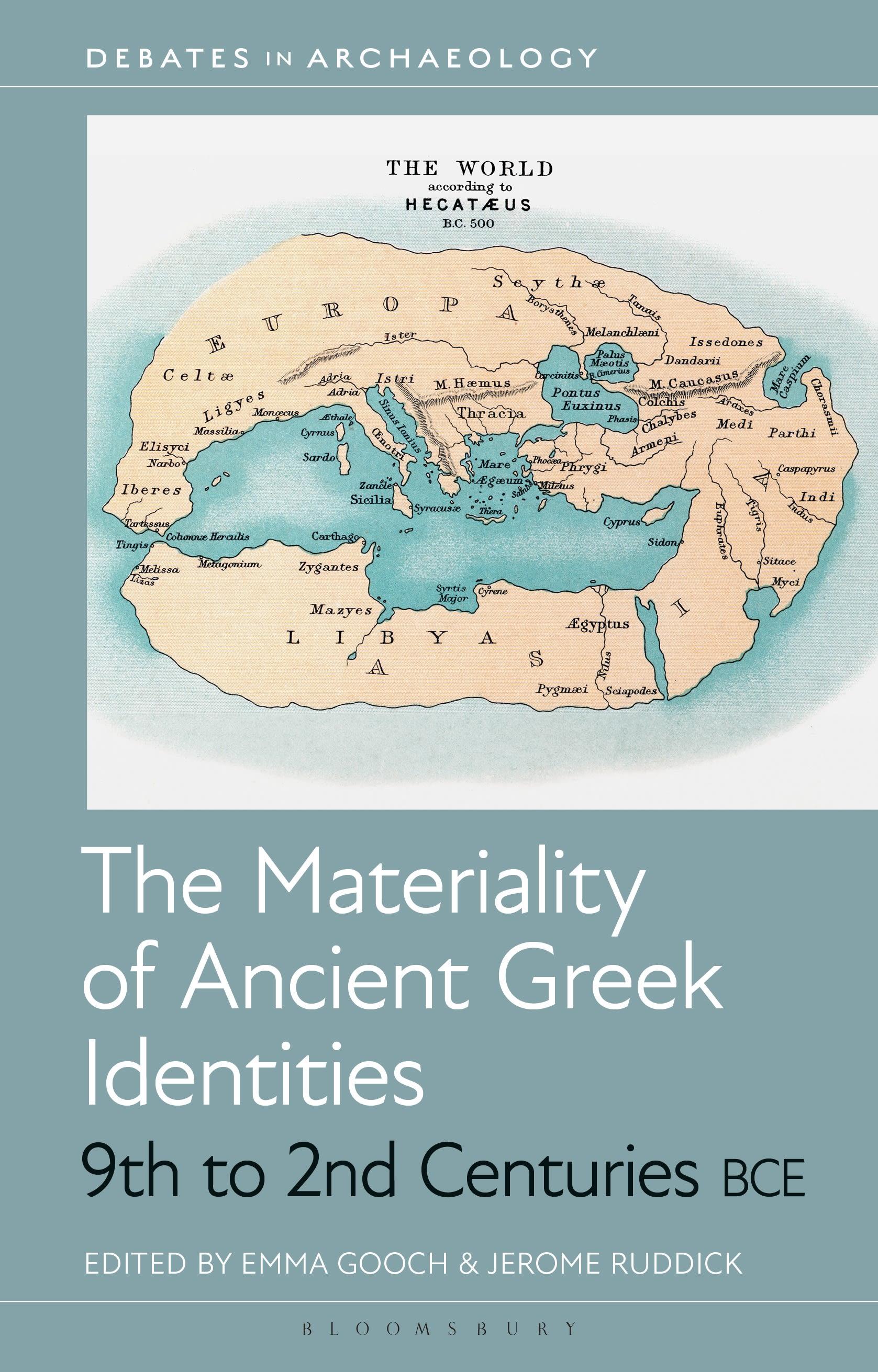
Material culture is the physical trace of what was used to construct and define identities in the past, and is therefore a key source of evidence for archaeologists and ancient historians investigating ancient identities. The focus of this volume is reflective of broader theoretical and methodological shifts in recent cross-disciplinary explorations of identity. Through the use of case studies, each chapter demonstrates the benefits and crucial need to embrace inter- and multi-disciplinary approaches when investigating life and society in ancient Greece. In particular, this book covers the ever-increasing spectrum of identities across the ancient Greek world, ranging from collective groups, such as women, migrants, children and slaves, to individual figures.
Using archaeological, iconographic and textual material as the basis of each exploration, the contributors seek to understand the intersectional nature of what it meant to be an individual or group within a recognised social identity in ancient Greece. More specifically, this involves the analysis of various types of material culture such as artefacts from burials, excavated settlements, figurines, statuary, painted pottery, small finds and monuments. The contributors study the material using geo-spatial and architectural methods, along with more traditional approaches, such as epigraphy. Among other conclusions, the chapters investigate the experiences of identity – what the experience of having a particular identity was like, as far as we can ascertain – in ancient Greece, as represented by the archaeological material record.
Using archaeological, iconographic and textual material as the basis of each exploration, the contributors seek to understand the intersectional nature of what it meant to be an individual or group within a recognised social identity in ancient Greece. More specifically, this involves the analysis of various types of material culture such as artefacts from burials, excavated settlements, figurines, statuary, painted pottery, small finds and monuments. The contributors study the material using geo-spatial and architectural methods, along with more traditional approaches, such as epigraphy. Among other conclusions, the chapters investigate the experiences of identity – what the experience of having a particular identity was like, as far as we can ascertain – in ancient Greece, as represented by the archaeological material record.
Betaal eenvoudig met kaart, Klarna, Apple Pay of Google Pay. Niet tevreden? Je hebt altijd 14 dagen bedenktijd. Lees meer in onze voorwaarden. Heb je vragen, mail ons dan via hello@memmo.org.
Memmo maakt studeren makkelijker – waar je ook bent ter wereld. Wij brengen je cursusboeken en slimme studietools samen op één plek: samenvattingen, quizzen, podcasts en flashcards. En Ted, je studievriend die antwoord geeft op alles wat je je afvraagt. Meer dan 50.000 studenten studeren hier al – gebouwd om je sneller te laten leren en minder stress te geven.