
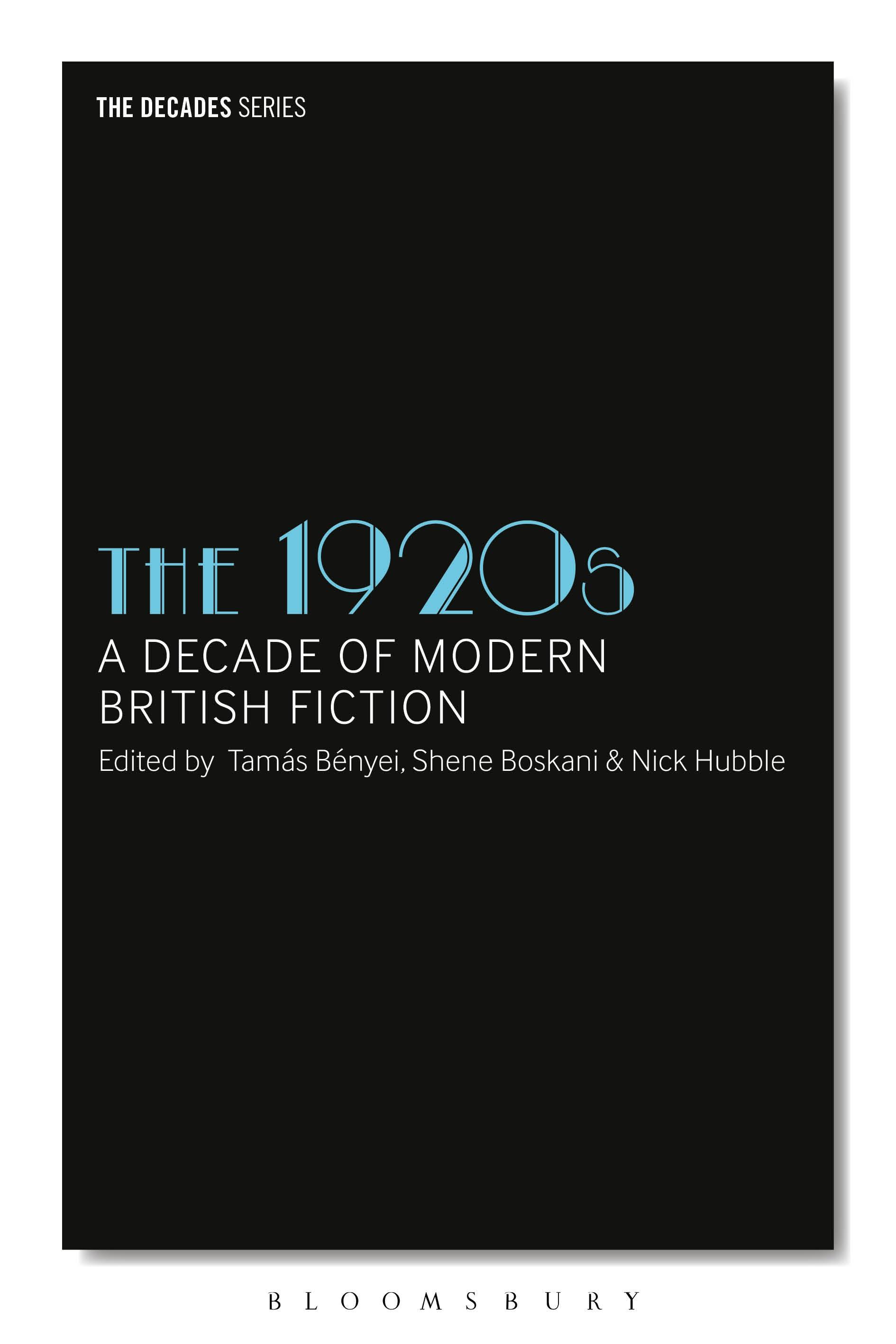
The particularity of 1920s British fiction has become obscured by an academic focus on modernism. This book takes a fresh approach to the decade by examining both canonical writers such as Virginia Woolf and E. M. Forster as well as less widely-studied writers such as A. A. Milne and Naomi Mitchison.
From the aftermath of First World War to the Great Depression of 1929, and its political consequences, the 1920s were a decade marked by radical social change. Internationally, there was an ongoing shift of global power and nationally, Britain was adjusting to the aftermath of First World War, to no longer being the dominant imperial power in the world, and to the introduction of universal male suffrage and votes for women over thirty, which was extended to those over twenty-one in 1928. This volume relates the British fiction of the decade to these contexts in order to reassess and explain trends of the period, such as war books, fantastic romance, literary modernism, and new expressions of gender and sexuality.
A major critical re-evaluation of the decade, the book covers such writers as Agatha Christie, E. M. Forster, Ethel Mannin, Somerset Maugham, R. H. Mottram, D. H. Lawrence, Wyndham Lewis, A. A. Milne, Hope Mirrlees, Naomi Mitchison, Dorothy Richardson and Virginia Woolf, among others; illustrating how their key themes and concerns fit within the social and political circumstances of the decade.
From the aftermath of First World War to the Great Depression of 1929, and its political consequences, the 1920s were a decade marked by radical social change. Internationally, there was an ongoing shift of global power and nationally, Britain was adjusting to the aftermath of First World War, to no longer being the dominant imperial power in the world, and to the introduction of universal male suffrage and votes for women over thirty, which was extended to those over twenty-one in 1928. This volume relates the British fiction of the decade to these contexts in order to reassess and explain trends of the period, such as war books, fantastic romance, literary modernism, and new expressions of gender and sexuality.
A major critical re-evaluation of the decade, the book covers such writers as Agatha Christie, E. M. Forster, Ethel Mannin, Somerset Maugham, R. H. Mottram, D. H. Lawrence, Wyndham Lewis, A. A. Milne, Hope Mirrlees, Naomi Mitchison, Dorothy Richardson and Virginia Woolf, among others; illustrating how their key themes and concerns fit within the social and political circumstances of the decade.
Betaal eenvoudig met kaart, Klarna, Apple Pay of Google Pay. Niet tevreden? Je hebt altijd 14 dagen bedenktijd. Lees meer in onze voorwaarden. Heb je vragen, mail ons dan via hello@memmo.org.
Memmo maakt studeren makkelijker – waar je ook bent ter wereld. Wij brengen je cursusboeken en slimme studietools samen op één plek: samenvattingen, quizzen, podcasts en flashcards. En Ted, je studievriend die antwoord geeft op alles wat je je afvraagt. Meer dan 50.000 studenten studeren hier al – gebouwd om je sneller te laten leren en minder stress te geven.