
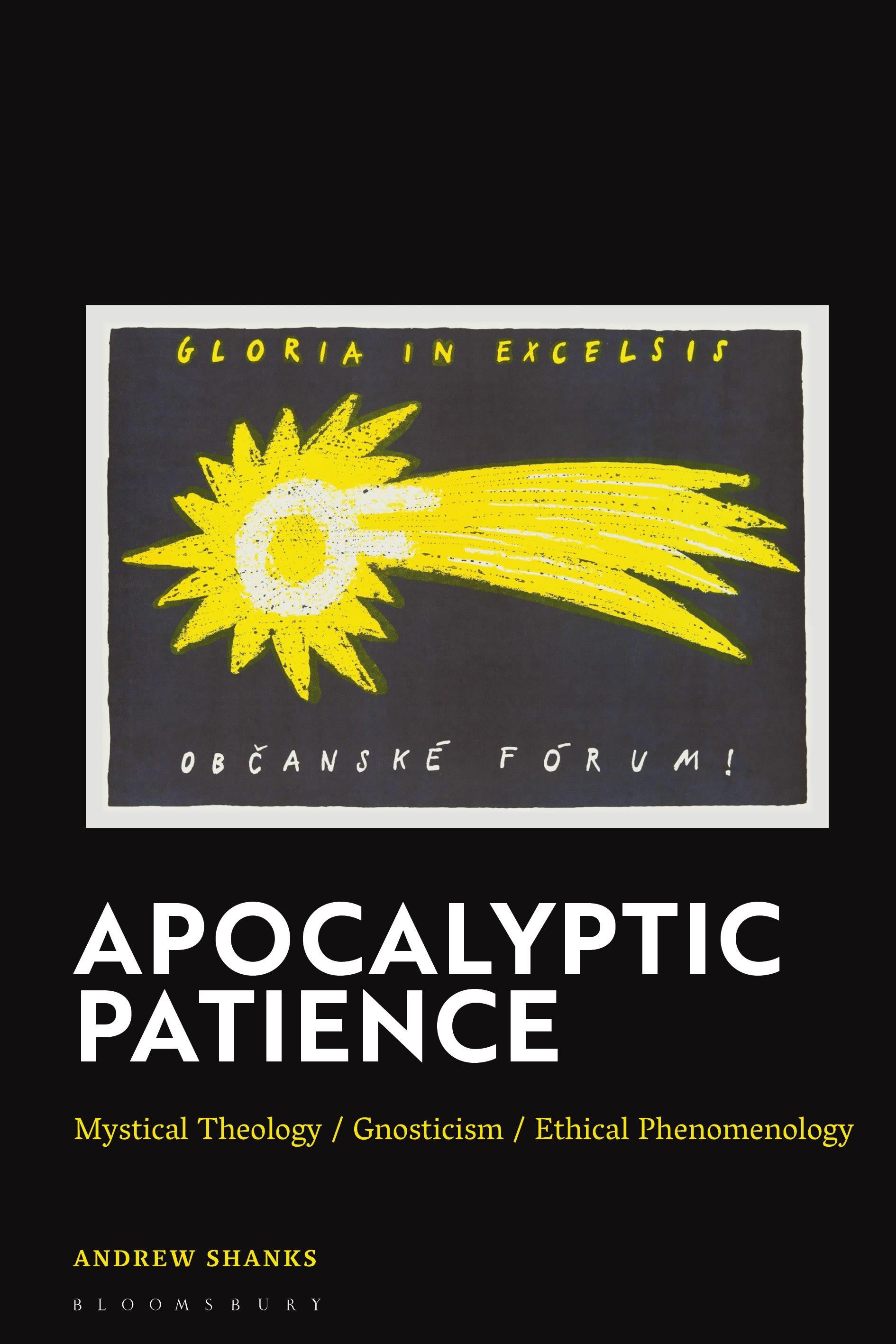
Andrew Shanks brings together a grand narrative of theology and continental philosophy to argue that the 'solidarity of the shaken' is the kingdom of God in secular dress.
Shanks engages with the philosophy of Jan Patocka; specifically, his Heretical Essays in the Philosophy of History, which culminate in the concept of the 'solidarity of the shaken'. Such solidarity is quite simply that which empowers the most radically thoughtful openness to others, embattled against even the most repressive closure; a solidarity without any other essential qualification.
Split into three distinct parts, Shanks begins by discussing Patocka's philosophico-centric grand narrative, and drawing wider reference to the pre-philosophic origins of Abrahamic religious tradition. This is followed by an exploration of mystical theology, Christian and Islamic; of its decay into 'mysticism', and its influence on Christian and Jewish gnostic traditions. The final third presents a discussion on ethical phenomenology. Analysing the proponents of a 'pathos of shakenness' such as Kierkegaard, Levinas, Løgstrup, he juxtaposes 19th-century thinkers such as Arendt and Hegel with Heidegger and Strauss as he moves through the century, and eventually to the rise of secular public conscience movement.
Shanks engages with the philosophy of Jan Patocka; specifically, his Heretical Essays in the Philosophy of History, which culminate in the concept of the 'solidarity of the shaken'. Such solidarity is quite simply that which empowers the most radically thoughtful openness to others, embattled against even the most repressive closure; a solidarity without any other essential qualification.
Split into three distinct parts, Shanks begins by discussing Patocka's philosophico-centric grand narrative, and drawing wider reference to the pre-philosophic origins of Abrahamic religious tradition. This is followed by an exploration of mystical theology, Christian and Islamic; of its decay into 'mysticism', and its influence on Christian and Jewish gnostic traditions. The final third presents a discussion on ethical phenomenology. Analysing the proponents of a 'pathos of shakenness' such as Kierkegaard, Levinas, Løgstrup, he juxtaposes 19th-century thinkers such as Arendt and Hegel with Heidegger and Strauss as he moves through the century, and eventually to the rise of secular public conscience movement.
Pagina's: 272
Categorie: Filosofi
e-ISBN: 9781350410633
Verzendgewicht: 1.2 kg
Verzending binnen: 1-2 dagen
Betaal eenvoudig met kaart, Klarna, Apple Pay of Google Pay. Niet tevreden? Je hebt altijd 14 dagen bedenktijd. Lees meer in onze voorwaarden. Heb je vragen, mail ons dan via hello@memmo.org.
Memmo maakt studeren makkelijker – waar je ook bent ter wereld. Wij brengen je cursusboeken en slimme studietools samen op één plek: samenvattingen, quizzen, podcasts en flashcards. En Ted, je studievriend die antwoord geeft op alles wat je je afvraagt. Meer dan 50.000 studenten studeren hier al – gebouwd om je sneller te laten leren en minder stress te geven.