
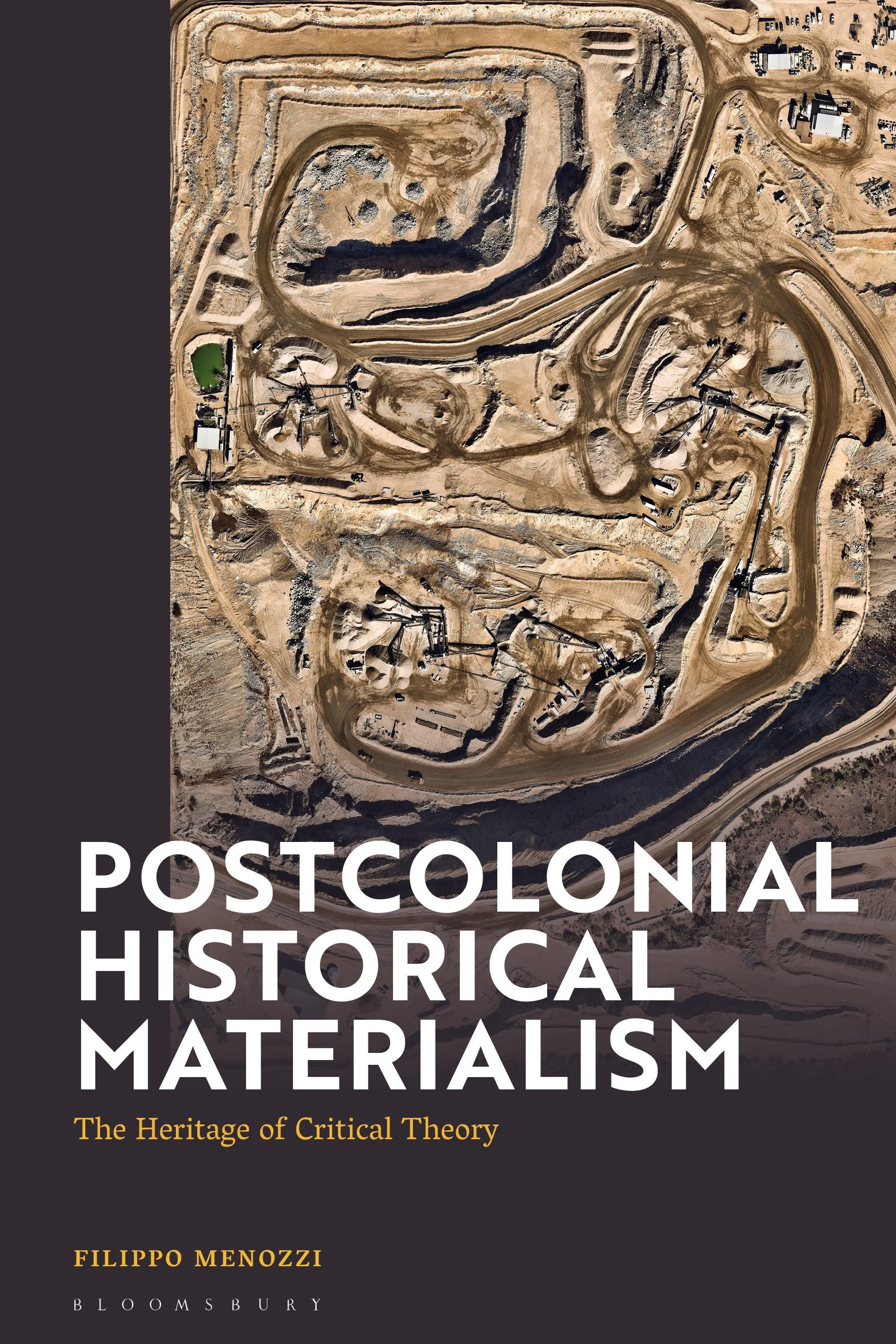
Through a reappraisal of the work of four major figures in critical theory – Ernst Bloch, Georg Lukács, Theodor Adorno, and Walter Benjamin – Filippo Menozzi rethinks the tradition of critical theory in relation to pressing concerns in postcolonial studies.
Revealing these authors' continued relevance to urgent issues in the 21st century, from struggles against racism to social movements and the transmutations of global capitalism, Menozzi reimagines them as central to an alternative genealogy of critical theory that moves beyond their European provenance and the limitations of “Western Marxism”. In doing so, this book challenges, more broadly, the view of critical theory as steeped in Eurocentrism, culturally conservative, and politically defeatist. Contesting this in four chapters, Postcolonial Historical Materialism inserts Adorno, Lukács, Bloch, and Benjamin into key contemporary sites of militancy and debate.
Engaging with a wide range of European and non-European sources, Menozzi proposes a new concept of “postcolonial historical materialism”, indicating how the heritage of critical theory can reopen global possibilities of utopia and revolution in a non-utopian age of global emergencies, social unrest, and the unfinished history of decolonisation.
Revealing these authors' continued relevance to urgent issues in the 21st century, from struggles against racism to social movements and the transmutations of global capitalism, Menozzi reimagines them as central to an alternative genealogy of critical theory that moves beyond their European provenance and the limitations of “Western Marxism”. In doing so, this book challenges, more broadly, the view of critical theory as steeped in Eurocentrism, culturally conservative, and politically defeatist. Contesting this in four chapters, Postcolonial Historical Materialism inserts Adorno, Lukács, Bloch, and Benjamin into key contemporary sites of militancy and debate.
Engaging with a wide range of European and non-European sources, Menozzi proposes a new concept of “postcolonial historical materialism”, indicating how the heritage of critical theory can reopen global possibilities of utopia and revolution in a non-utopian age of global emergencies, social unrest, and the unfinished history of decolonisation.
Betaal eenvoudig met kaart, Klarna, Apple Pay of Google Pay. Niet tevreden? Je hebt altijd 14 dagen bedenktijd. Lees meer in onze voorwaarden. Heb je vragen, mail ons dan via hello@memmo.org.
Memmo maakt studeren makkelijker – waar je ook bent ter wereld. Wij brengen je cursusboeken en slimme studietools samen op één plek: samenvattingen, quizzen, podcasts en flashcards. En Ted, je studievriend die antwoord geeft op alles wat je je afvraagt. Meer dan 50.000 studenten studeren hier al – gebouwd om je sneller te laten leren en minder stress te geven.