
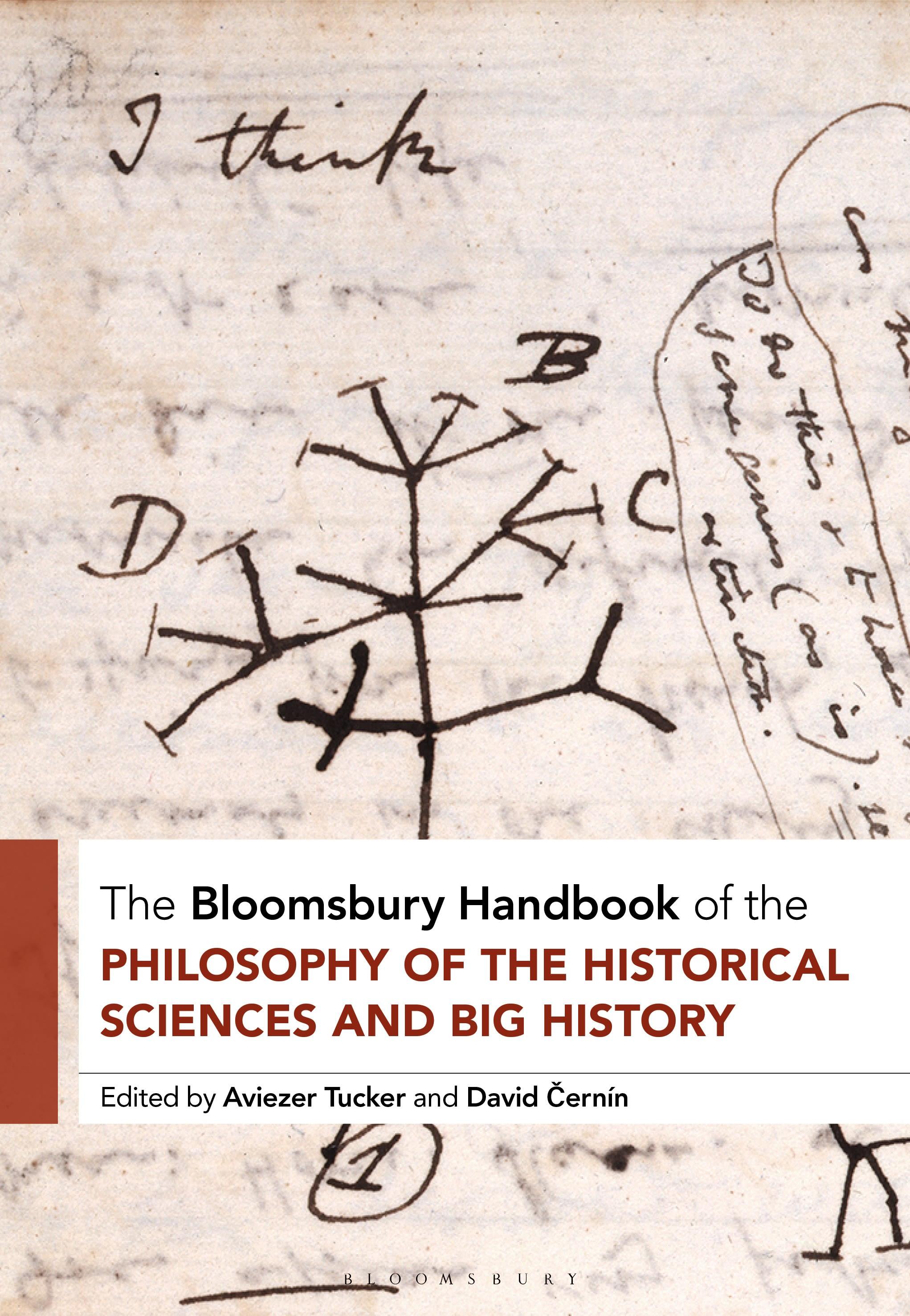
This handbook examines the philosophy of the historical sciences and their synthesis in concepts like Big or Deep History. Written by interdisciplinary philosophers, historians, and scientists, it acts as a valuable guide for anybody interested in scientific knowledge of the deep past, Big History, and the philosophy of science.
The Bloomsbury Handbook of the Philosophy of the Historical Sciences and Big History is the first philosophical reference work to recognize that History is not what it used to be: the historical sciences, Deep History, Big History, and even the history of the Anthropocene have now expanded the scope of historiography beyond that of literate civilizations to cover all scientific inferences about the past, from the Big Bang through the history of the planet and the history of life to the history of humanity. Different views about the scope of History have ontological, epistemic, methodological, explanatory, ethical, and educational reasons and implications. The historical sciences and the knowledge they have generated are founded on theories of knowledge of the past, epistemology of history. The contributions in this book consider whether there are common epistemic properties to all the historical sciences that distinguish them from non-historical or theoretical sciences.
The first part of the handbook examines the recent expansion of the scope of the historical sciences in Big History, natural history, global history, and environmental history, and older broader concepts of history like universal history and philosophy of history. The second part of the handbook addresses the ontology and epistemology of the past, including the basic concepts of the historical sciences such as origins, the end of history, determination and underdetermination, contingency and necessity, historical predictions and counterfactuals, and historical pseudoscience. The third part examines the philosophies of the special historical sciences, historical linguistics, textual criticism, geology, evolutionary biology, systematics, archaeology, cosmology, history of the environment, and most significantly, their integrations and combinations – for example, how genetics, archaeology, and historical linguistics have generated a whole new knowledge of deep human history.
This collection offers an overview of what the philosophy of the historical sciences is and is becoming for students and experts alike.
The Bloomsbury Handbook of the Philosophy of the Historical Sciences and Big History is the first philosophical reference work to recognize that History is not what it used to be: the historical sciences, Deep History, Big History, and even the history of the Anthropocene have now expanded the scope of historiography beyond that of literate civilizations to cover all scientific inferences about the past, from the Big Bang through the history of the planet and the history of life to the history of humanity. Different views about the scope of History have ontological, epistemic, methodological, explanatory, ethical, and educational reasons and implications. The historical sciences and the knowledge they have generated are founded on theories of knowledge of the past, epistemology of history. The contributions in this book consider whether there are common epistemic properties to all the historical sciences that distinguish them from non-historical or theoretical sciences.
The first part of the handbook examines the recent expansion of the scope of the historical sciences in Big History, natural history, global history, and environmental history, and older broader concepts of history like universal history and philosophy of history. The second part of the handbook addresses the ontology and epistemology of the past, including the basic concepts of the historical sciences such as origins, the end of history, determination and underdetermination, contingency and necessity, historical predictions and counterfactuals, and historical pseudoscience. The third part examines the philosophies of the special historical sciences, historical linguistics, textual criticism, geology, evolutionary biology, systematics, archaeology, cosmology, history of the environment, and most significantly, their integrations and combinations – for example, how genetics, archaeology, and historical linguistics have generated a whole new knowledge of deep human history.
This collection offers an overview of what the philosophy of the historical sciences is and is becoming for students and experts alike.
Betaal eenvoudig met kaart, Klarna, Apple Pay of Google Pay. Niet tevreden? Je hebt altijd 14 dagen bedenktijd. Lees meer in onze voorwaarden. Heb je vragen, mail ons dan via hello@memmo.org.
Memmo maakt studeren makkelijker – waar je ook bent ter wereld. Wij brengen je cursusboeken en slimme studietools samen op één plek: samenvattingen, quizzen, podcasts en flashcards. En Ted, je studievriend die antwoord geeft op alles wat je je afvraagt. Meer dan 50.000 studenten studeren hier al – gebouwd om je sneller te laten leren en minder stress te geven.