
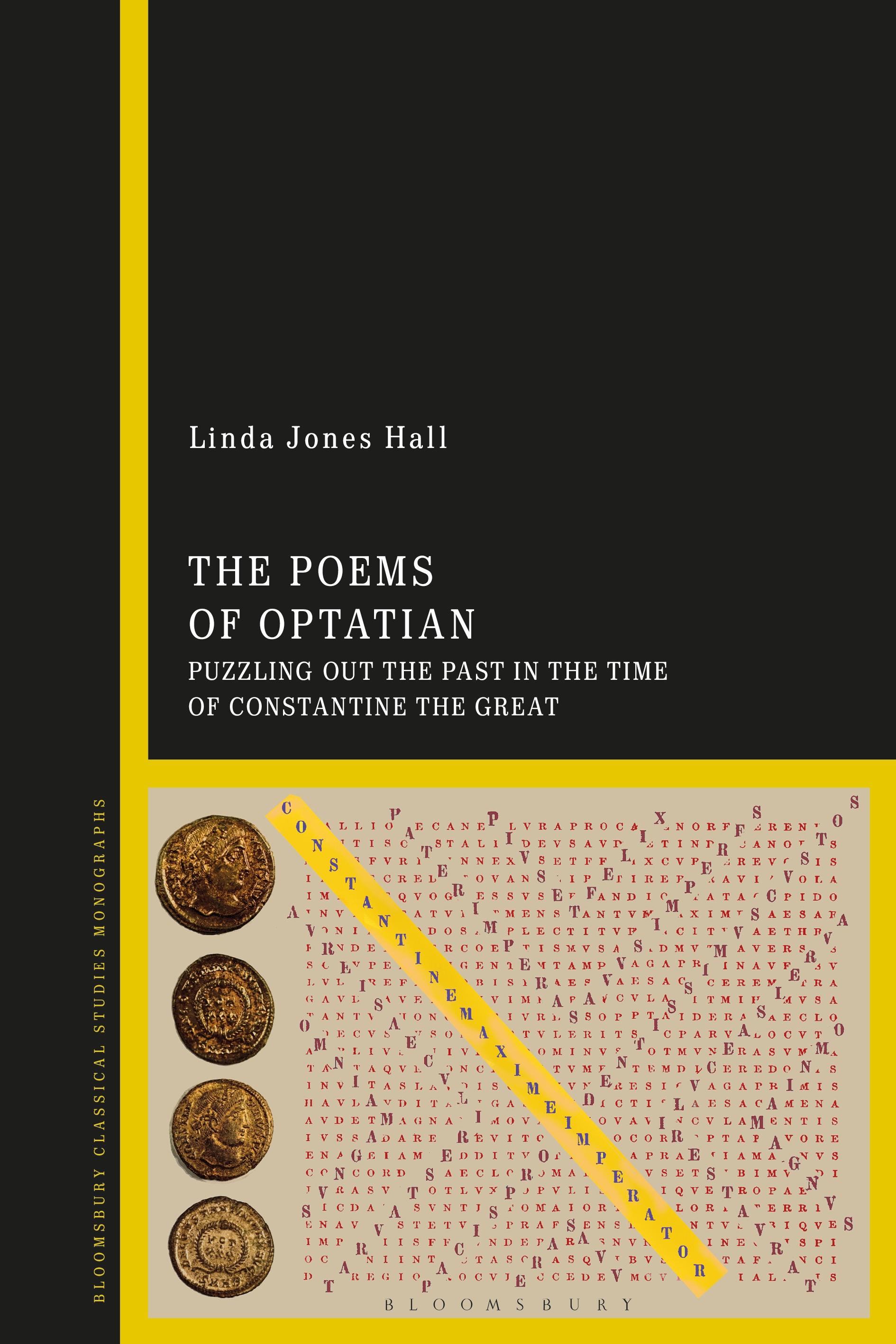
For the first time, the poems and accompanying letters of Publilius Optatianus Porfyrius (Optatian) are published here with a translation and detailed commentary, along with a full introduction to Optatian's work during this period.Optatian was sent into exile by Constantine sometime after the Emperor's ascent to power in Rome in 312 AD. Hoping to receive pardon, Optatian sent a gift of probably twenty design poems to Constantine around the time of the ruler's twentieth anniversary (325/326 AD).
To enable the reader to experience the multiple messages of the poems, the Latin text is presented near the English translation with any related design close by. Some poems, laid out on a grid of up to 35 letters across and down, have an interwoven poem marking key letters in the primary poem, thereby revealing a highlighted image. Some designs include the Chi-Rho or numerals created from V's and X's to mark imperial anniversaries. Other (previously unrecognised) designs seem to represent senatorial, imperial, military or bureaucratic motifs or to derive from coin images. Shape poems representing a water organ, an altar and a panpipe reveal their relevance immediately. The introduction and commentary elucidate literary allusions from over 100 authors (lines from Vergil, Ovid, Lucan, Silius Italicus, Statius, and lesser-known writers abound) and mythological references, mostly to the Muses and Apollo. Optatian's prestige as an official in both Greece and Rome is well attested - these poems mark Optatian as a fascinating writer of his time, holding onto the classical past while acknowledging Christian symbolism.
To enable the reader to experience the multiple messages of the poems, the Latin text is presented near the English translation with any related design close by. Some poems, laid out on a grid of up to 35 letters across and down, have an interwoven poem marking key letters in the primary poem, thereby revealing a highlighted image. Some designs include the Chi-Rho or numerals created from V's and X's to mark imperial anniversaries. Other (previously unrecognised) designs seem to represent senatorial, imperial, military or bureaucratic motifs or to derive from coin images. Shape poems representing a water organ, an altar and a panpipe reveal their relevance immediately. The introduction and commentary elucidate literary allusions from over 100 authors (lines from Vergil, Ovid, Lucan, Silius Italicus, Statius, and lesser-known writers abound) and mythological references, mostly to the Muses and Apollo. Optatian's prestige as an official in both Greece and Rome is well attested - these poems mark Optatian as a fascinating writer of his time, holding onto the classical past while acknowledging Christian symbolism.
Betaal eenvoudig met kaart, Klarna, Apple Pay of Google Pay. Niet tevreden? Je hebt altijd 14 dagen bedenktijd. Lees meer in onze voorwaarden. Heb je vragen, mail ons dan via hello@memmo.org.
Memmo maakt studeren makkelijker – waar je ook bent ter wereld. Wij brengen je cursusboeken en slimme studietools samen op één plek: samenvattingen, quizzen, podcasts en flashcards. En Ted, je studievriend die antwoord geeft op alles wat je je afvraagt. Meer dan 50.000 studenten studeren hier al – gebouwd om je sneller te laten leren en minder stress te geven.