
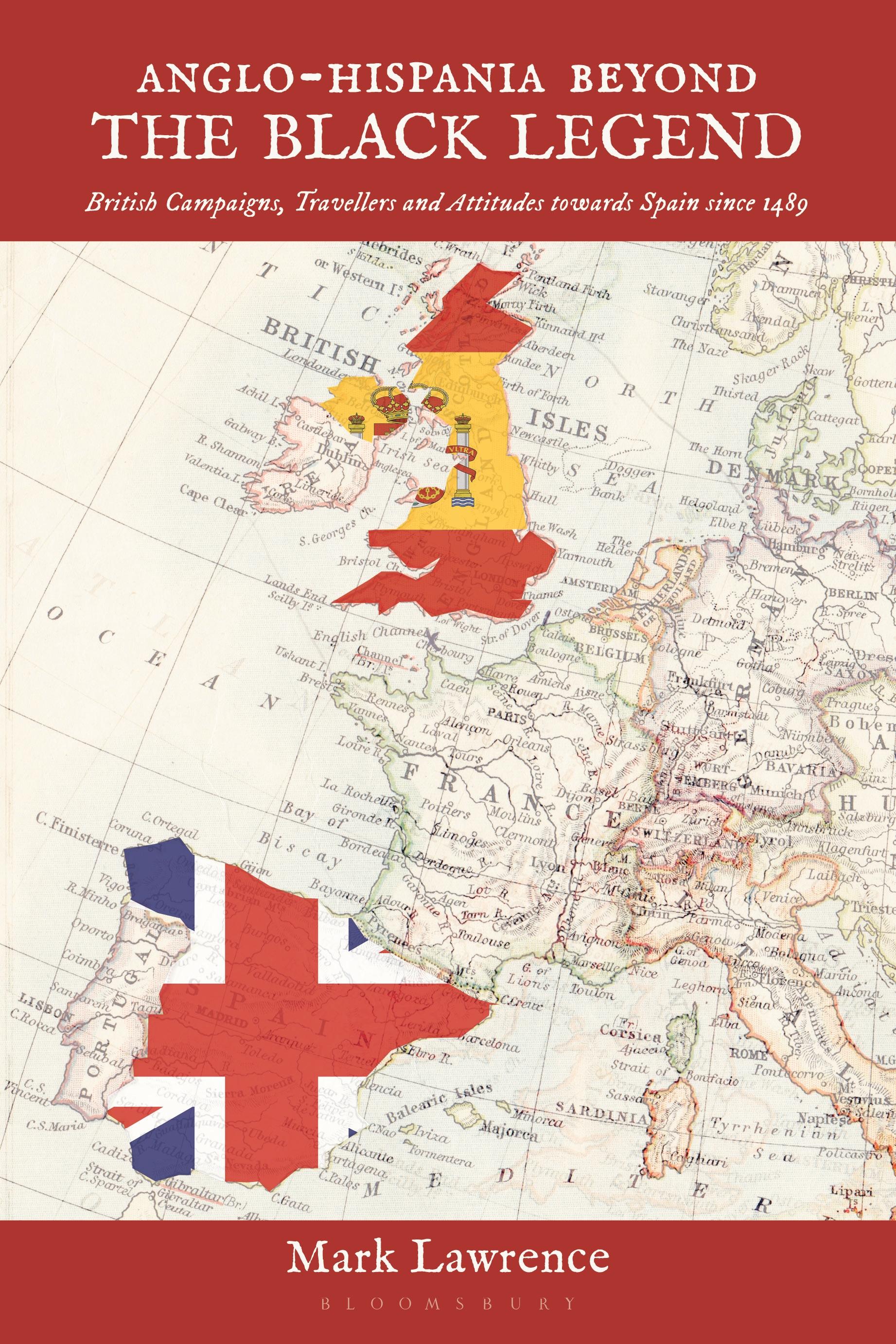
This book traces and analyses the relationship between Britain and Spain in its various forms since 1489. So often viewed as antagonistic rivals in history, the two countries are here compared and contrasted in order to shed light on their international connection and how this has evolved over time. Mark Lawrence reflects on the similarities of their composite monarchies, their roles as successive projectors of European global power, and the common fondness for peculiarly patriotic expressions of Christianity through the ages. At the same time, Lawrence is alert to recognising other ways in which Britain and Spain have seemed worlds apart in their respective corners of the European continent. He examines how British Protestants excoriated Spain in a 'Black Legend', while Catholic propagandists dismissed rising English power as the work of pirates and heretics during the early modern period.
In a series of chronological chapters rich with a diverse range of sources, Anglo-Hispania beyond the Black Legend considers the cultural exchanges which flourished amidst the growth of travel and new ideas in the 18th century, the surprising alliances of the 19th century and the shared international causes of the 20th. Whereas Spaniards feared or admired Britain for its successful political and fiscal system, the book convincingly argues, Britons romanticised Iberia for its supposed failures. It ultimately concludes that British campaigns in the 1700s and 1800s established a Romantic Spain in memoir culture which the 20th century gradually dissolved in the ideological cauldron of the 1930s and the advent of mass tourism.
In a series of chronological chapters rich with a diverse range of sources, Anglo-Hispania beyond the Black Legend considers the cultural exchanges which flourished amidst the growth of travel and new ideas in the 18th century, the surprising alliances of the 19th century and the shared international causes of the 20th. Whereas Spaniards feared or admired Britain for its successful political and fiscal system, the book convincingly argues, Britons romanticised Iberia for its supposed failures. It ultimately concludes that British campaigns in the 1700s and 1800s established a Romantic Spain in memoir culture which the 20th century gradually dissolved in the ideological cauldron of the 1930s and the advent of mass tourism.
Betaal eenvoudig met kaart, Klarna, Apple Pay of Google Pay. Niet tevreden? Je hebt altijd 14 dagen bedenktijd. Lees meer in onze voorwaarden. Heb je vragen, mail ons dan via hello@memmo.org.
Memmo maakt studeren makkelijker – waar je ook bent ter wereld. Wij brengen je cursusboeken en slimme studietools samen op één plek: samenvattingen, quizzen, podcasts en flashcards. En Ted, je studievriend die antwoord geeft op alles wat je je afvraagt. Meer dan 50.000 studenten studeren hier al – gebouwd om je sneller te laten leren en minder stress te geven.