
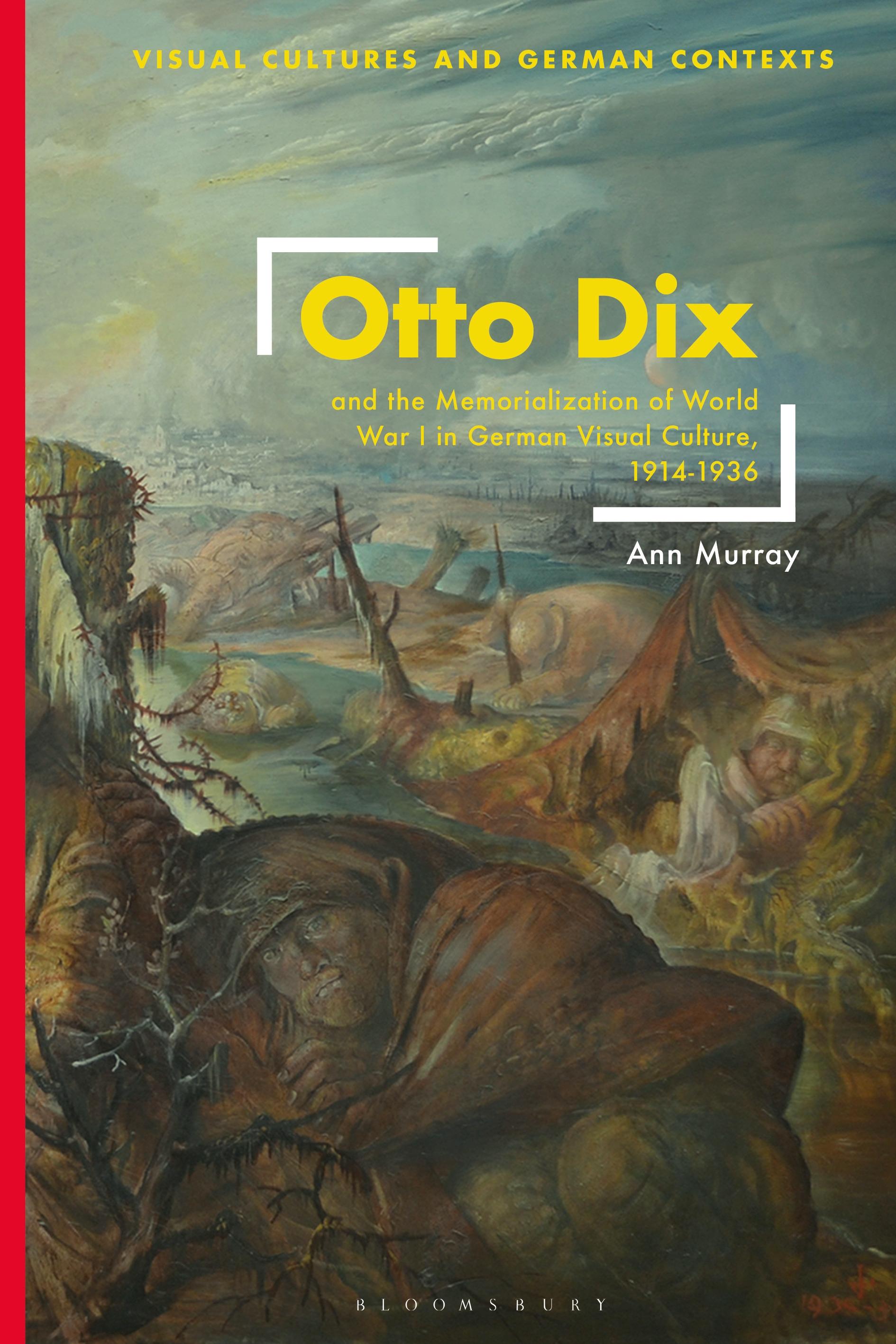
The harsh realities of wartime and Weimar-era Germany called for a new kind of art. Dada, followed by Neue Sachlichkeit (New Objectivity), confronted social and political issues in new and bold ways. This book highlights how Otto Dix (1891–1969) – one of the leading artists connected to these artistic movements – employed these new approaches to reveal the injustices of wartime and post-World War I Germany. Having spent 38 months on the frontline, his pictures revealed the brutalities of the conflict and helped establish him as one of Europe's leading modernists.
Offering substantial new research and presenting numerous primary sources to an English readership for the first time, the book examines Dix's war pictures within the broader visual culture of war in order to assess how they functioned alternatively as cutting-edge modernist art and transgressive war commemoration.
Each chapter provides a case study of the first public display of one or more of Dix's war pictures at key exhibitions and explores how their reception was subjected to changing socio-political and cultural conditions as well as divergent attitudes to the lost war. It pulls together a number of key approaches and texts: contemporary reviews, contemporary cultural productions (such as novels and cartoons), and theoretical and historical approaches from history, memory studies and art history.
Bringing a unique perspective and original scholarship to Dix's war works, this book is essential reading for art historians of World War I and the visual culture of Weimar Germany.
Offering substantial new research and presenting numerous primary sources to an English readership for the first time, the book examines Dix's war pictures within the broader visual culture of war in order to assess how they functioned alternatively as cutting-edge modernist art and transgressive war commemoration.
Each chapter provides a case study of the first public display of one or more of Dix's war pictures at key exhibitions and explores how their reception was subjected to changing socio-political and cultural conditions as well as divergent attitudes to the lost war. It pulls together a number of key approaches and texts: contemporary reviews, contemporary cultural productions (such as novels and cartoons), and theoretical and historical approaches from history, memory studies and art history.
Bringing a unique perspective and original scholarship to Dix's war works, this book is essential reading for art historians of World War I and the visual culture of Weimar Germany.
Betaal eenvoudig met kaart, Klarna, Apple Pay of Google Pay. Niet tevreden? Je hebt altijd 14 dagen bedenktijd. Lees meer in onze voorwaarden. Heb je vragen, mail ons dan via hello@memmo.org.
Memmo maakt studeren makkelijker – waar je ook bent ter wereld. Wij brengen je cursusboeken en slimme studietools samen op één plek: samenvattingen, quizzen, podcasts en flashcards. En Ted, je studievriend die antwoord geeft op alles wat je je afvraagt. Meer dan 50.000 studenten studeren hier al – gebouwd om je sneller te laten leren en minder stress te geven.